


Following a decisive defeat for Fidesz, Peter Szijjarto, Hungary’s outgoing Foreign Minister, has allegedly begun destroying documents related to Russia sanctions.
Election Results and Shift in Power
Based on nearly complete results, the TISZA party is projected to win 138 seats in Hungary’s 199-seat parliament, securing a two-thirds constitutional majority. The Fidesz-KDNP coalition led by Viktor Orbán will receive 55 seats, and the far-right Mi Hazank party is expected to gain six seats. Almost 80% of eligible voters participated, totaling nearly 6 million people.
Documents Being Destroyed at Foreign Ministry
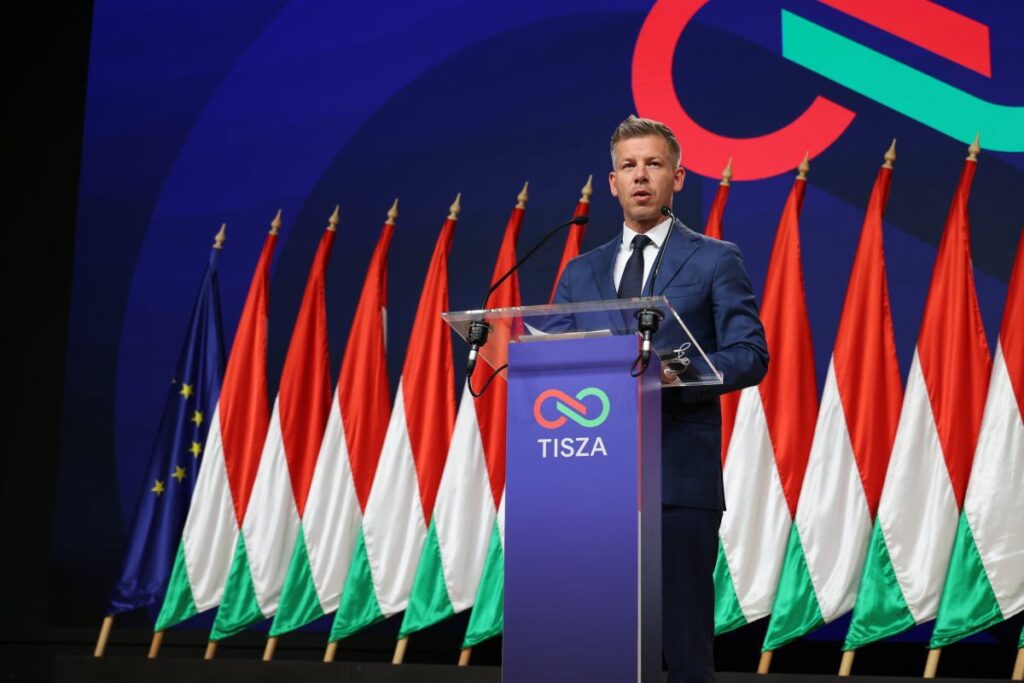
Peter Magyar, leader of TISZA, announced that documents are being destroyed at the Ministry of Foreign Affairs. He stated that the destruction is occurring now, not only at the Foreign Ministry but also in other state institutions and companies linked to Viktor Orbán.
Szijjarto Allegedly Destroying Russia Sanctions Documents
Magyar reported that Peter Szijjarto went to the Foreign Ministry building, where Russian hackers had previously operated, to destroy documents pertaining to sanctions imposed on Russia. He believes this is part of a broader effort to conceal information.
Source of Information and Calls for Accountability
Magyar stated the information about the document destruction came from inside sources and that he has received reports of crimes committed by officials. He expressed confidence that the new TISZA government will rely on prosecutors and police to serve Hungary, not the previous ruling party or Viktor Orbán.
Previous Contacts with Russia Revealed
In the weeks leading up to the election, media reports revealed a series of phone conversations between Hungarian Foreign Minister Peter Szijjarto and his Russian counterpart, Sergey Lavrov, suggesting Hungarian authorities were acting in Russia’s interests. Records indicate Hungary offered to transmit EU documents to Russia via its Moscow embassy and coordinated actions to hinder Ukraine’s European integration efforts.
Assistance with Sanctions Evasion and Information Sharing
One recording revealed Lavrov requested Szijjarto’s assistance in removing Gulbahor Ismailova, the sister of oligarch Alisher Usmanov, from the EU sanctions list in 2024. Ismailova was removed from the list seven months later. Records also suggest Szijjarto regularly informed Moscow about discussions among European diplomats, including a meeting of the EU Foreign Affairs Council in August 2024, and pledged to “always be at his disposal.”