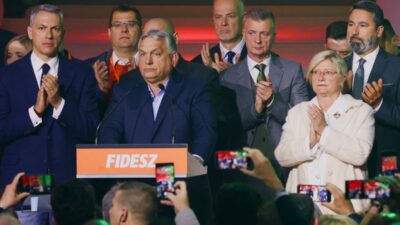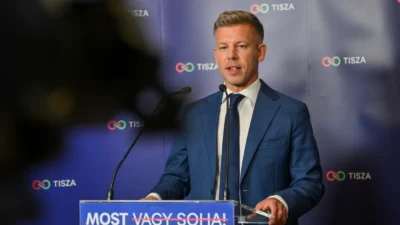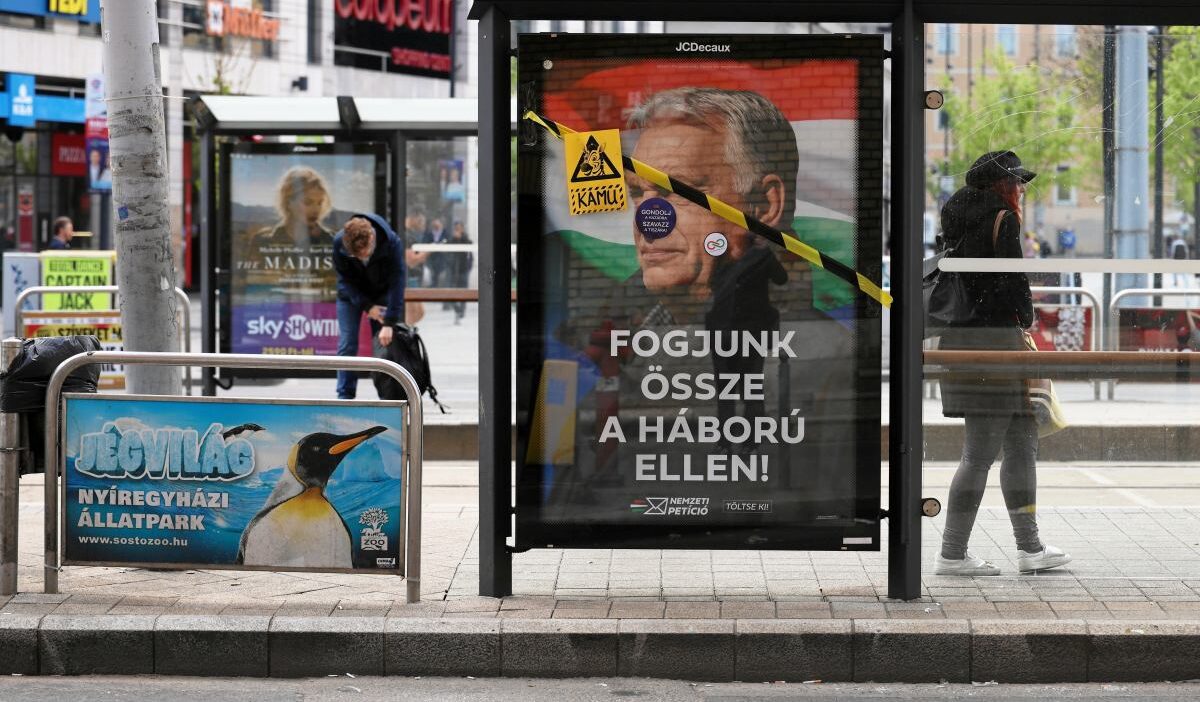
Partial results from Hungary’s parliamentary elections show the Tisza party ahead with 52.80% of the vote, while Fidesz holds 38.55%.
Partial Results and Voter Turnout
After counting 66.69% of the votes, the Tisza party has secured 137 mandates, while Fidesz has 55.
Record voter turnout was observed, with 77.8% of eligible voters casting ballots by 6:30 PM, compared to 69.59% in the 2022 elections. Voting continued for those already in queues after the 7:00 PM closing time.
Electoral System and Thresholds
Hungary’s National Assembly consists of 199 deputies, with 106 elected in single-member districts and 93 from national party lists. The candidate with the most votes wins each district, even without a majority.
A 5% threshold applies to political parties, 10% to two-party coalitions, and 15% to lists of three or more parties. The D’Hondt method is used for distributing mandates from party lists.
Mi Hazánk and Vote Distribution
The far-right Mi Hazánk party also surpassed the 5% threshold, receiving 6.03% of the vote.
Eligible voters in Hungary were able to cast two votes: one for a candidate in their district and another for a party list or national minority list. Voters abroad cast only one vote for a national list.
Counting and Final Results
Vote counting began immediately after 7:00 PM. No exit polls were conducted within the country.
Votes from abroad must arrive by Thursday and be counted by April 18th. The final results may not be known until Saturday if the vote counts for the largest lists are close. A record number of voters abroad – over 90,000 – registered to vote, along with nearly 224,000 postal voters.
Reactions from Party Leaders
Viktor Orbán, after voting in Budapest, stated he would respect the outcome of the election if the opposition won, but emphasized his intention to win.
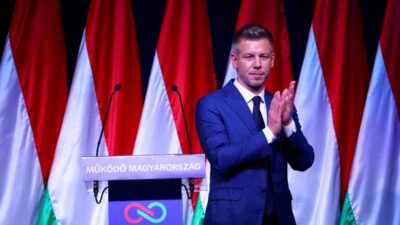
Péter Magyar, leader of Tisza, expressed confidence in his party’s victory, but noted that achieving a two-thirds majority – needed for constitutional changes – remained an open question. He stated he would accept the results if no fraud significantly impacted the outcome.
Background on the Candidates
Viktor Orbán, co-founder and leader of Fidesz, has governed Hungary continuously since 2010. He began his political career in 1989 calling for the departure of Soviet troops and has since transformed into a critic of liberal democracy.
Péter Magyar, a former member of Fidesz, gained prominence after criticizing corruption within Orbán’s system following a scandal involving a presidential pardon. His YouTube address resonated with millions, leading to protests and the formation of the Tisza party.