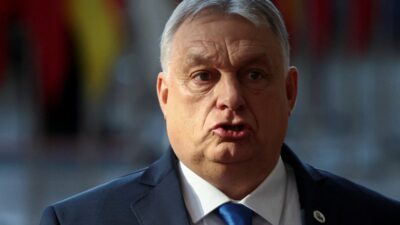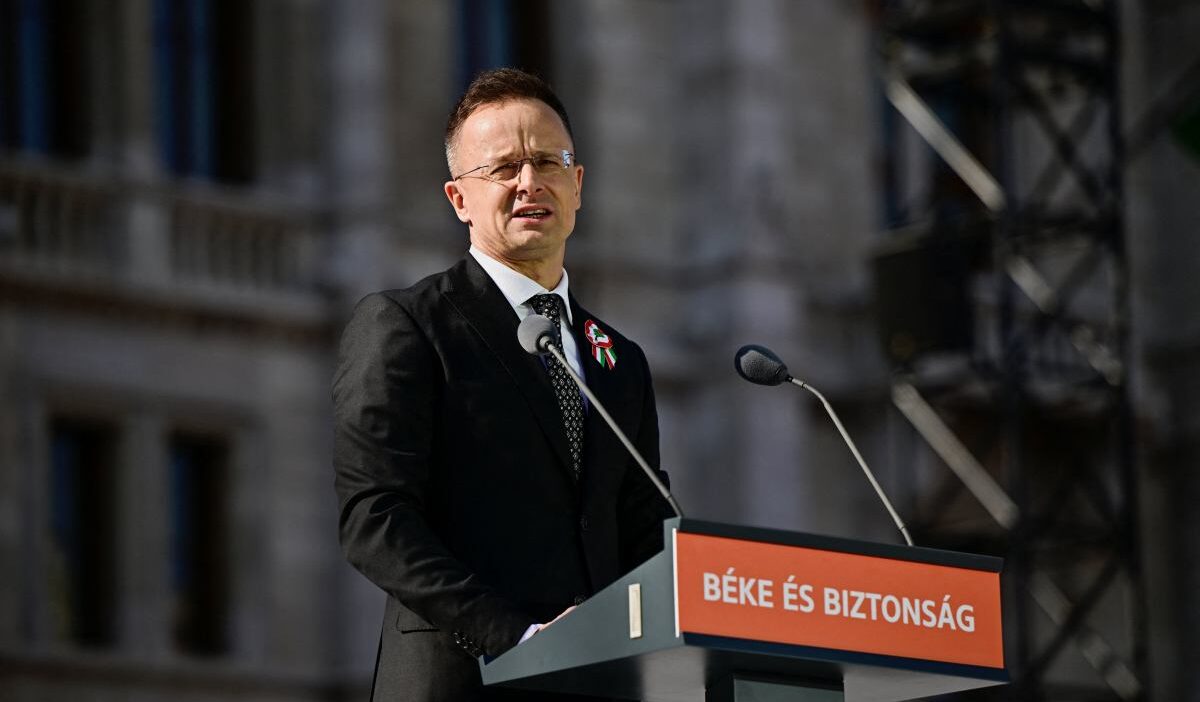
Hungarian Foreign Minister Péter Szijjártó reportedly informed Moscow about closed-door EU discussions, prompting a strong rebuke from Polish Prime Minister Donald Tusk.
Szijjártó Responds to Tusk’s Accusations
Donald Tusk publicly stated on March 24th that Szijjártó had “confirmed systematically informing Moscow about what EU leaders discussed behind closed doors,” calling the situation a “disgrace.” This followed a report in the Washington Post, citing an anonymous European security official.
The report alleged Szijjártó had been regularly calling Russian Foreign Minister Sergey Lavrov for years to provide “live updates” on ongoing discussions.
Szijjártó Denies Allegations, Counters with Claims of Polish Interference
Szijjártó dismissed Tusk’s claims as “another lie” and accused the Polish government of supporting the Tisza Party and attempting to establish a “puppet and pro-war government” in Hungary.
Confirmation of Talks and Justification
EuroNews reported that Szijjártó confirmed the conversations during a campaign event in Keszthely. He explained that EU decisions regarding energy, the automotive industry, and security impact Hungary’s relations with non-EU partners.
Szijjártó stated he discusses these matters with his counterparts from Russia, the United States, Turkey, Israel, Serbia, and others both before and after EU Council meetings.
Allegations of Surveillance and Government Investigation
The Orbán-affiliated news outlet Mandiner claims to have obtained information from a conversation between investigative journalist Szabolcs Panyi and an unidentified woman. Panyi reportedly informed the woman he was contacting a state agency in an EU country and providing them with Szijjártó’s and her phone numbers for surveillance purposes.
Hungarian Prime Minister Viktor Orbán announced an investigation into the alleged surveillance, stating that monitoring a government member constitutes a “serious attack” on Hungary.
Claims of Coordinated Operation and Opposition Involvement
Orbán’s spokesperson, Zoltán Kovács, suggested the leaked audio suggests a “coordinated intelligence operation” and implicates the Tisza Party ahead of upcoming elections.