Hungary held parliamentary elections on Sunday, with initial data showing increased voter turnout and a potential shift in political landscape.
Election Day Begins, Initial Turnout Reported
Polling stations across Hungary opened at 6:00 AM on Sunday for the parliamentary elections, which will determine the 199 members of the National Assembly. Voting will continue until 7:00 PM, with preliminary results expected around 8:00 PM, according to the National Election Office (NVI).
Journalists from Wyborcza.pl, TOK FM, and Radio Zet are reporting live from Hungary, providing updates, analysis, and post-election commentary on Gazeta.pl.
Key Contenders: Orbán’s Fidesz vs. TISZA
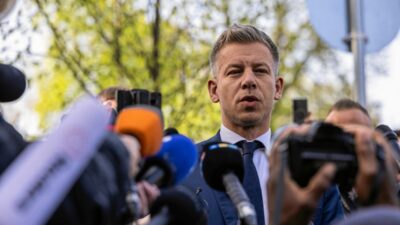
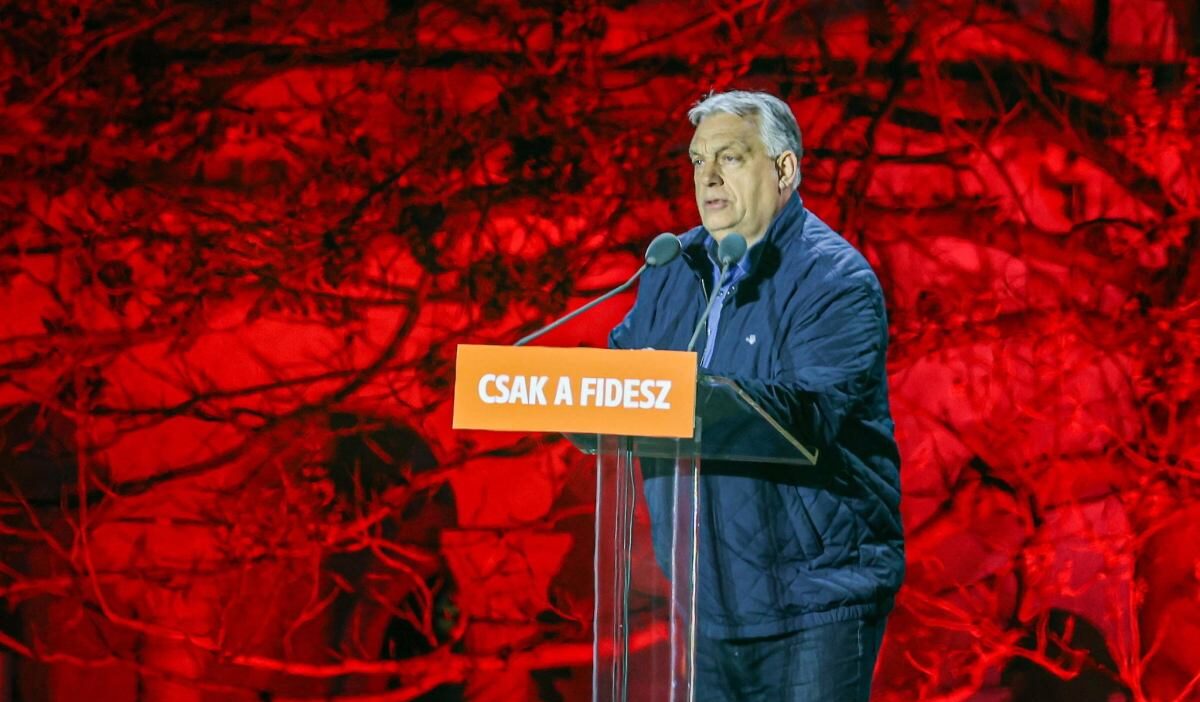
While five party lists and 12 Hungarian minority lists are registered, the election is primarily contested between the governing coalition of Fidesz and the Christian Democratic People’s Party (KDNP), led by Prime Minister Viktor Orbán, and the opposition TISZA party, headed by Péter Magyar.
Turnout Increases Significantly
The NVI reported that 3.46% of eligible voters had cast their ballots by 7:00 AM (260,556 people), compared to 1.82% at the same time in 2022. By 9:00 AM, turnout reached 16.89% (compared to 10.31% four years prior).
Turnout Trends Favor Magyar
Analyst Wojciech Maziarski notes that the higher turnout appears to benefit Péter Magyar, with a two-thirds increase in participation in opposition-leaning Budapest, while growth in Fidesz-supporting rural areas is around 50%.
Polls Suggest Potential Majority for TISZA
An analysis by the Median research center, published on Tuesday, indicates that TISZA could secure a two-thirds majority in the 199-seat parliament, potentially gaining between 138 and 143 seats. A two-thirds majority is required for constitutional changes.
Projected Parliament Composition
Median’s projections, based on five opinion polls, estimate 138-143 seats for TISZA and 49-55 for the ruling Fidesz. The right-wing Mi Hazánk party is expected to win five or six seats, becoming the only other party represented in parliament.
Hungarian Electoral System
The Hungarian National Assembly consists of 199 deputies, with 106 elected in single-member constituencies and 93 from national party lists. In each constituency, the candidate with the most votes wins, even without a majority.
Voters cast two votes: one for a candidate in their constituency and one for a party list. Voters abroad cast only a national list vote. All citizens aged 18 or older, who have not been legally disenfranchised, are eligible to vote.
A 5% threshold applies to political parties, 10% to coalitions of two parties, and 15% to joint lists of three or more parties. The D’Hondt method is used to allocate seats from party lists.
Voting and Counting Procedures
Hungarian election law does not include a pre-election silence period. Campaigning can continue until polling stations close at 7:00 PM on Sunday. However, political campaigning is prohibited within 150 meters of polling stations on election day.
Voters waiting in line at 7:00 PM will be allowed to vote, but no new queues will be formed after the official closing time. Vote counting will begin immediately after 7:00 PM, with preliminary results expected around 8:00 PM.
Candidates Await Results in Budapest
Both Viktor Orbán and Péter Magyar will await the election results in Budapest. Orbán and Fidesz are hosting an election night event at the Balna complex on the Danube River, while Magyar and TISZA members will gather at Batthyány Square, opposite the Hungarian Parliament building.
Campaign Marked by Accusations
The election campaign was characterized by mutual accusations of attempted election fraud and foreign interference. The ruling camp focused on promises of stability and peace, which they claim only Fidesz can guarantee. Orbán and his ministers also warned against the risk of Hungary being drawn into war if the opposition wins.
Magyar and TISZA members built their campaign on accusations of corruption and economic mismanagement under the current government. The opposition also pledged to reorient Hungary towards the West and adopt a constructive approach to EU membership.
Reporting from the Ground
Correspondents from Wyborcza, TOK FM, and Radio Zet have provided in-depth coverage of the election, including analysis of the political climate and interviews with key figures.