The International Energy Agency (IEA) on Friday outlined recommendations for governments, businesses, and individuals to mitigate the impact of soaring oil prices.
IEA Recommendations to Curb Fuel Use
The International Energy Agency (IEA) presented proposals on Friday aimed at easing the pressure of rising oil prices on consumers. These include working from home, avoiding air travel, and driving at least 10 km/h slower.
The proposals, detailed in a report on the organization’s website, target governments, businesses, and individuals to lessen the effects of the current sharp increase in fuel prices.
Geopolitical Factors and Price Spikes
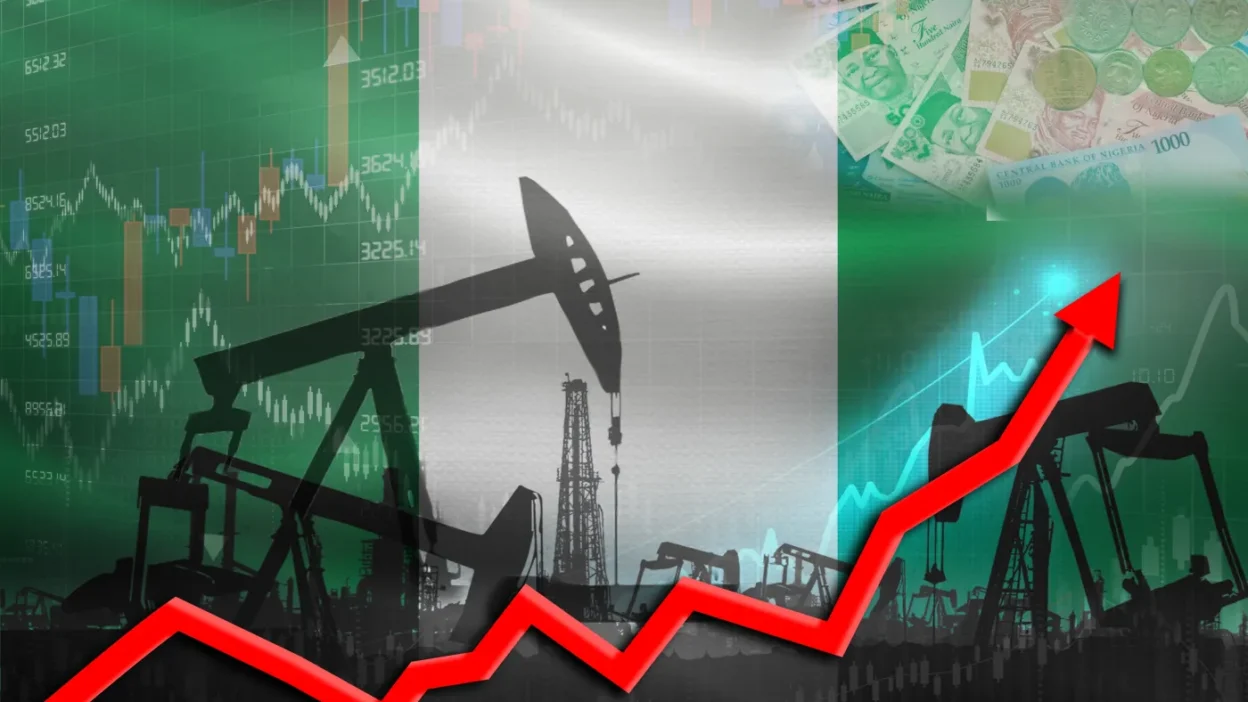
The surge in fuel prices is attributed to tensions, including conflict involving the US, Israel, and Iran, sparking global inflation concerns.
Energy Diplomacy and Emergency Reserves
“We have recently begun the largest-ever release of emergency oil reserves; I remain in close contact with key governments around the world, including major energy producers and consumers, as part of our international energy diplomacy,” stated IEA Executive Director Fatih Birol.
Birol added that the report contains “a set of immediate and concrete measures that can be taken on the demand side by governments, businesses and households to protect consumers from the effects of this crisis.”
Impact of Proposed Measures
The agency emphasized that the outlined measures could lower consumer costs, reduce market strain, and conserve fuel for essential needs until normal supply flows resume.
Specific Measures: Speed Limits and Car Access
The IEA suggested implementing speed limits at least 10 km/h lower on highways to reduce fuel consumption. It also called for promoting public transportation and proposed alternating access for private vehicles in major cities through license plate rotation systems.
Optimizing Fuel Efficiency
The IEA also highlighted that diesel consumption can be reduced through improved driving practices, vehicle maintenance, and optimized loading. Avoiding air travel when alternatives exist was also recommended.
Government’s Role in Consumer Protection
Governments can lead by example through public sector actions, regulations, and targeted incentives, ensuring support for consumers is appropriately timed and focused on those most in need, according to the IEA. Well-targeted support mechanisms are more effective and financially sustainable than broad subsidies, based on past crisis experiences.
The Importance of the Strait of Hormuz
While the report’s measures cannot fully address supply disruptions, they can play a significant role in lowering costs, reducing market burdens, and conserving fuel until normal oil flows resume. However, restoring transport through the Strait of Hormuz, blocked by Iran, remains crucial for stabilizing global energy markets.
About the IEA
The International Energy Agency was founded in 1974 following the oil crisis. It focuses on energy security, oil and gas market analysis, clean energy support, and energy forecasting.
Copyright Information
Copyright © INFOR PL S.A.