


Polish meteorological institute IMGW released a new winter forecast warning that a late‑November stratospheric warming could weaken the polar vortex and change winter weather in December and January.
Stratospheric Warming and Polar Vortex
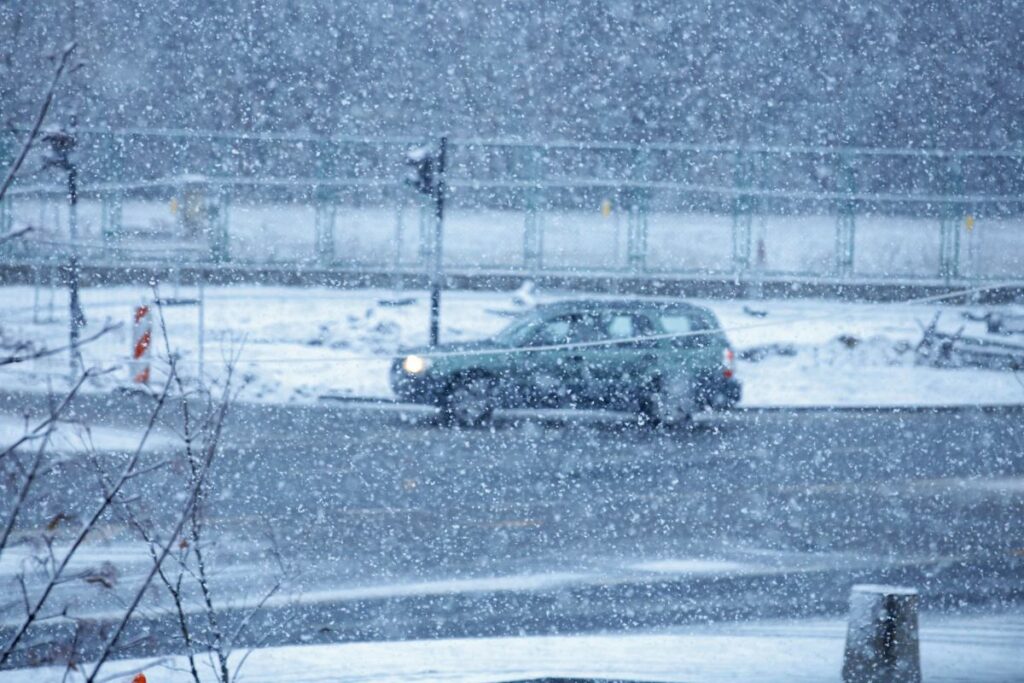
Models suggest that a sudden stratospheric warming will occur by the end of November, potentially weakening the polar vortex. This usually increases the likelihood of cold air influx in December and January. Snow prospects look good, especially in the south, centre, and east of the country.
According to Agnieszka Prasek, if temperatures remain low enough, a persistent snow cover could form in those regions. The barometric situation over Europe favors cold inflow, with high pressures in the north and lows in the south steering cold, arctic air masses from the east and northeast toward the country.
Long‑Term Forecast and Uncertainty
In January the scenario is expected to persist. By February, the polar vortex may rebuild, potentially bringing a milder winter atmosphere. Seasonal models still predict a winter warmer than normal, notes the synoptrician and spokeswoman of the Institute.
She cautions that while signals suggest the winter could be colder, seasonal models advise caution, and that long‑term forecasts always involve high uncertainty.
December Temperature Expectations
According to IMGW models, the mean maximum temperature in December will range from 0 to 6 °C, while the mean minimum will range from –5 to 3 °C. Some parts of the country are expected to see temperatures above normal; no forecasts predict below‑normal temperatures.
Overall Forecast Highlights
The new forecast underscores the potential impact of a sudden stratospheric warming on winter weather, the likelihood of a temporary polar vortex split, and the significant uncertainty inherent in long‑term predictions.