A dispute between Iranian President Ebrahim Raisi and the Islamic Revolutionary Guard Corps (IRGC) is escalating, with concerns over the IRGC’s increasing control and the nation’s economic collapse.
Guard Commander vs. Iranian President
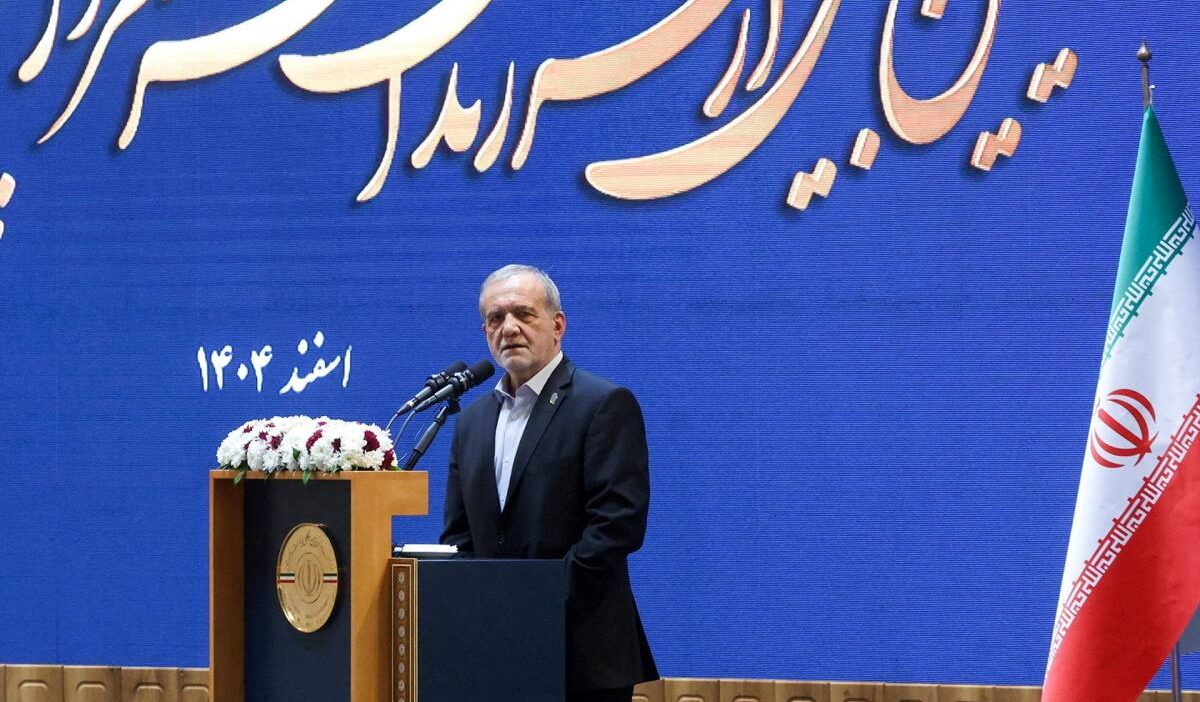
President Raisi criticized the Revolutionary Guard (Islamic Revolutionary Guard Corps, IRGC) for attacking neighboring countries and escalating regional tensions, warning of the long-term consequences for Iran. He emphasized that without a ceasefire, the Iranian economy could completely collapse within three to four weeks, according to sources cited by an Iranian portal.
The President also demanded that the government, not the Guard, make decisions regarding war.
IRGC Rejection and Counter-Accusations
Ahmad Wahidi, a commander of the Revolutionary Guard, rejected this demand. He further accused the President of failing to implement structural reforms that, he argued, would resolve many internal systemic problems before the outbreak of war.
Alleged IRGC Influence on Appointments
This is not the first report of a dispute between the IRGC and Raisi. Journalists at Iran International unofficially determined that the President “was forced” to appoint Mohammad Bagher Zolghadr to the position of Secretary of Iran’s Supreme National Security Council. Senior commanders of the Islamic Revolutionary Guard Corps, including Wahidi, demanded this appointment.
The portal believes this demonstrates the “growing dominance of the IRGC over the power structure in the country, especially over the Supreme National Security Council.”
Iran’s Economic Struggles
Iran International believes that the weakened Iranian economy, after four weeks of war, is heading towards complete collapse. Food prices are rising hourly, and some basic goods have increased in price by at least 50 percent compared to pre-war prices.
The internet blockade imposed by the government has paralyzed many services. Production facilities are facing severe shortages of raw materials, and the country’s administrative system has been seriously weakened.
Banking and Poverty Concerns
Reports from major cities in Iran indicate that many ATMs are out of cash or are not working, and internet banking is being disrupted in several large institutions. A significant portion of public administration employees have not received regular paychecks since the beginning of the year, according to Iran International.
According to data cited by state institutions and some economists, over 40 percent of the country’s population currently lives below the poverty line.
Escalation of Conflict
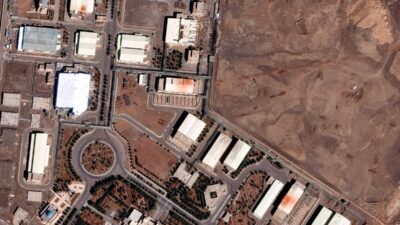
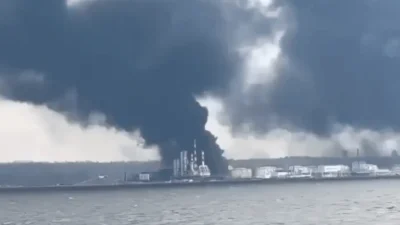
The Middle East war began on February 28 with airstrikes by Israel and the USA on Iran. Tehran responded with attacks on both Israel and countries in the Persian Gulf region, including – primarily – American military bases and civilian facilities located there, such as airports and petrochemical installations.
It also blocked the Strait of Hormuz, through which approximately 20 percent of the world’s oil supplies were transported before the war.