Despite a partial blockade, Iran is permitting vessels linked to Turkey and Japan to transit the Strait of Hormuz, alongside essential goods and aid.
Strait of Hormuz: Passage Granted to Turkish and Japanese Vessels
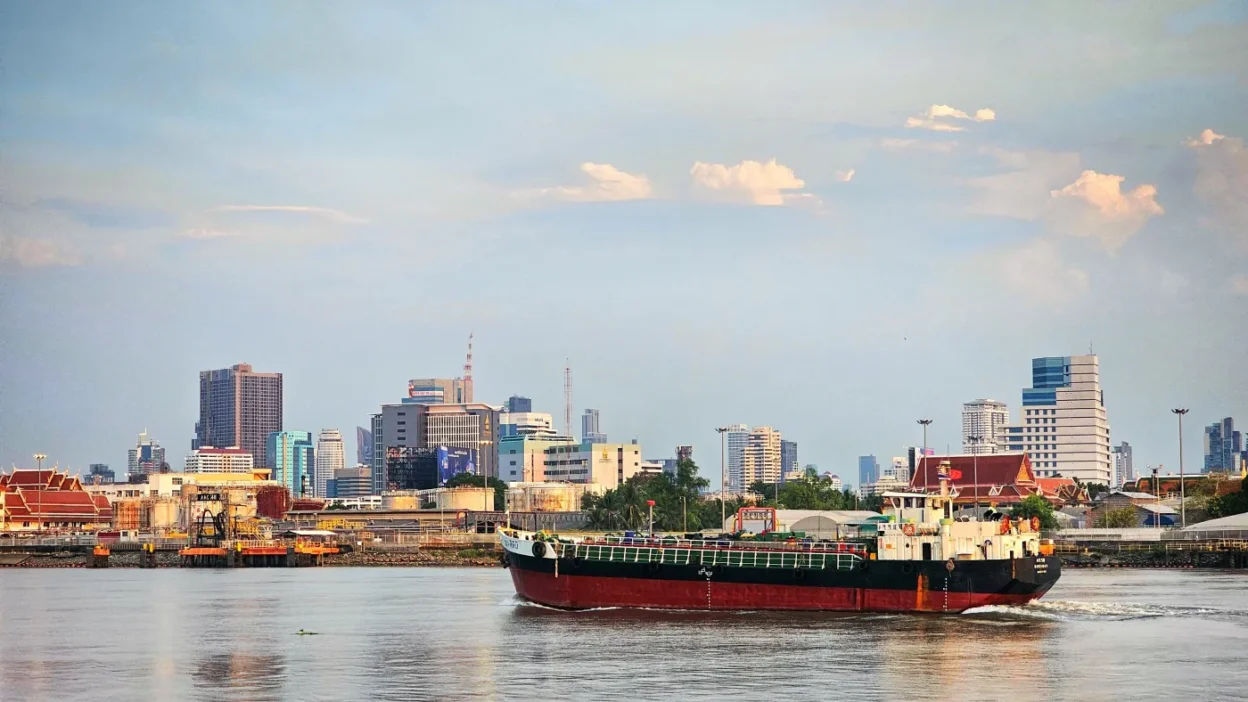
Authorities in both Turkey and Japan reported that additional ships connected to their countries have passed through the Strait of Hormuz on Saturday. Iran has also authorized transit for vessels carrying essential goods and humanitarian aid, according to the Tasnim news agency.
Transit to Iranian Ports
The Iranian authorization applies to ships heading to Iranian ports, including those currently in the Gulf of Oman.
Turkish Shipments Continue
Turkish Transport Minister Abdulkadir Uraloglu stated that a second Turkish-owned vessel has transited the Strait of Hormuz. He noted that 15 Turkish-owned ships were in the region when the conflict began, with two having successfully passed through the strait so far.
Japanese Tanker Safely Passes
Japan’s Ministry of Transport also reported that a second Japanese-affiliated LPG tanker safely navigated the Strait of Hormuz despite the partial blockade.
Iran and Hormuz: Oil Transport, Fees, and Regional Tensions
Unconfirmed reports indicate Iran is charging approximately $1 per barrel to tankers passing through the strait, but it remains unclear if Japanese LPG vessels have paid this fee, according to Kyodo News.
Attack on Israel-Linked Ship
Iranian state media, citing a commander from the Islamic Revolutionary Guard Corps (IRGC) Navy, reported that an Iranian drone struck a ship linked to Israel in the Strait of Hormuz, causing a fire on board.
Strategic Importance of the Strait of Hormuz
The Strait of Hormuz remains a key focus in coverage of the conflict initiated by U.S.-Israeli strikes on Iran on February 28th. Typically, one-fifth of global oil shipments pass through this narrow maritime corridor. Its partial blockade has contributed to a significant increase in oil prices.
Impact on Fertilizer and Food Supply
The Strait of Hormuz also plays a crucial role in fertilizer transport, handling about one-third of global maritime trade in these products. Shortages could lead to rising food prices and even food crises, particularly in African countries.
Copyright Information
Material protected by copyright law – all rights reserved. Further distribution of the article requires permission from the publisher INFOR PL S.A. Purchase a license. Enter the email address of the selected person, and we will send them free access to this article. Copyright © INFOR PL S.A.