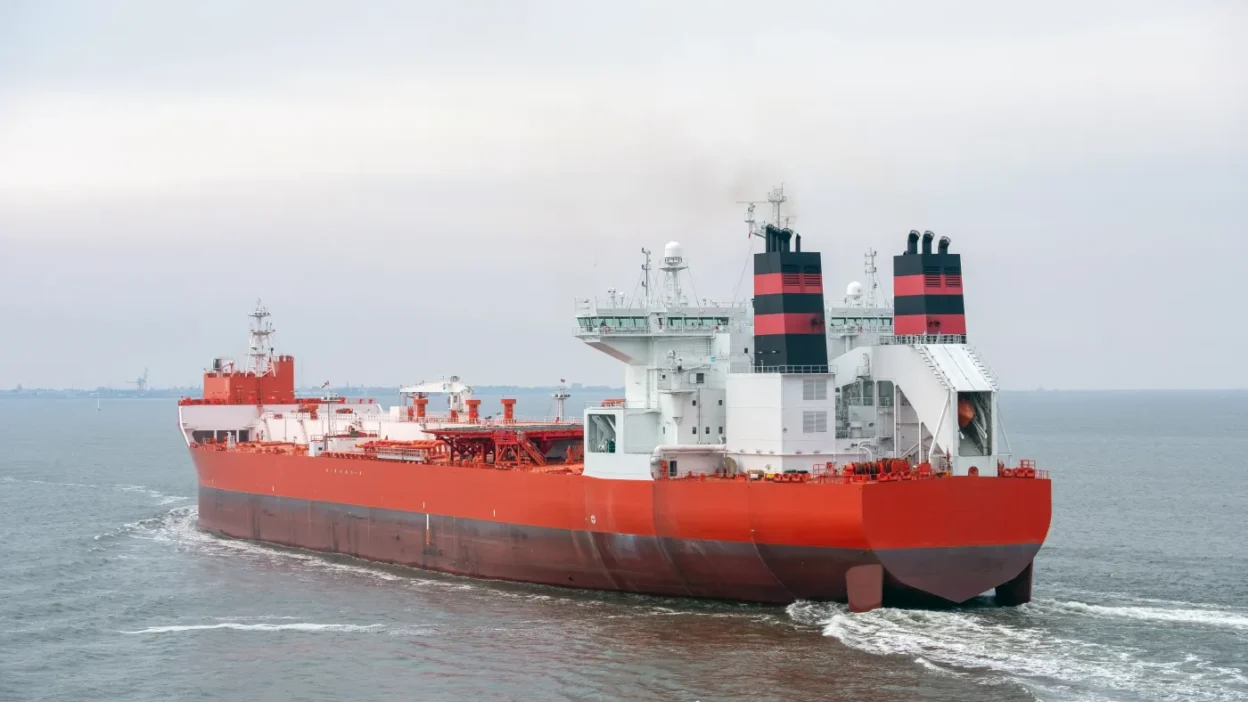
Iran has blocked the Strait of Hormuz in response to recent Israeli-American strikes, but is allowing South Korean vessels passage with prior coordination.
Iran Restricts Passage Through Strait of Hormuz
Iran has announced the blockage of the Strait of Hormuz, making an exception for South Korea. Iranian Ambassador to Seoul stated that South Korean ships can transit the strait with coordination with Tehran.
During a press conference at the Iranian embassy in Seoul, diplomat Said Kuzeczi emphasized that Tehran appreciates South Korea’s restraint in not joining actions initiated by Washington against Iran.
Coordination Required for Transit
Kuzeczi stressed that no vessel can freely pass through the region without prior agreement with the Iranian government. He stated that passage is only possible through coordination.
Impact on Global Oil Supply
This effectively introduces strict control over maritime traffic in the Strait of Hormuz, through which approximately 20% of the world’s oil supply normally passes.
Escalating Tensions and Regional ‘War Situation’
Iran’s decision is a direct response to the Israeli-American strikes that began on February 28th, causing immediate market reactions and rising energy prices. The Iranian ambassador warned that the region is currently in a “war situation,” justifying the implementation of extraordinary control measures.
Specific restrictions may apply to vessels linked to the United States or Israel, with Tehran deeming business activity by American firms in these conditions as imprudent.
South Korean Vessels Affected
Currently, 26 South Korean ships are reportedly stranded in the Strait of Hormuz, carrying a total of 179 Korean sailors along with other vessels under foreign flags.
South Korea’s Response
South Korea’s Ministry of Foreign Affairs announced a detailed analysis of the Iranian ambassador’s statements and will maintain communication channels with Tehran to ensure safe transit and prevent further escalation.
Global Economic Consequences
Experts warn that a prolonged blockade of the Strait of Hormuz could have serious consequences for the global economy, particularly regarding rising oil prices and disruptions to supply chains.