


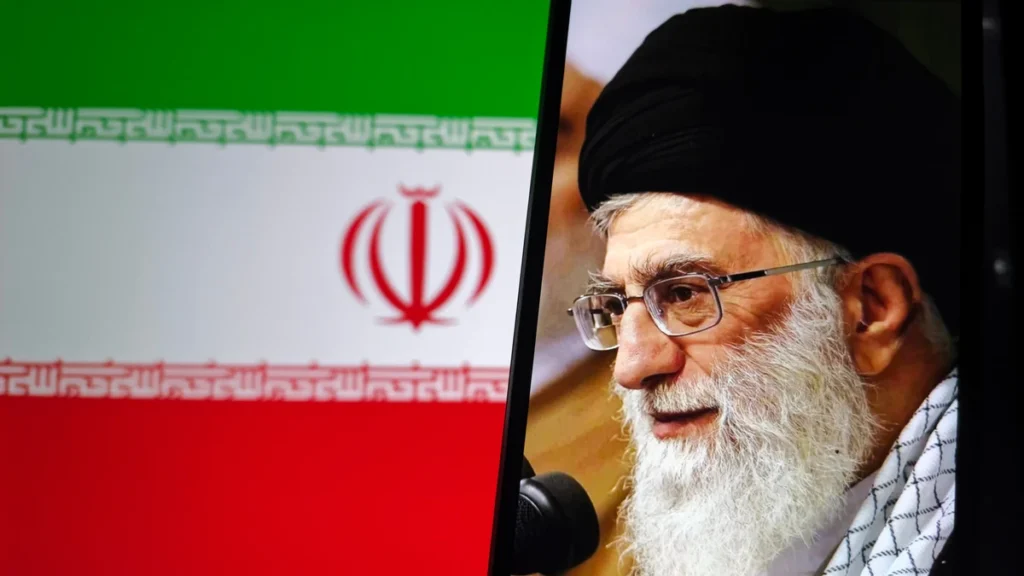
Reports emerge of a US-Israeli strike on Khamenei’s Tehran residence, with officials suggesting low survival chances amid conflicting accounts.
Initial Reports
Initial reports of a strike in the area of Iran’s Supreme Leader’s official residence appeared Saturday morning, shortly after a joint US-Israeli operation began. Israeli officials, cited by local media, stated Khamenei’s survival chances were “minimal,” though no evidence of his death was presented.
News station N12 reported “a very low probability” that Iran’s Supreme Leader survived the Israeli attack. Concurrently, New York Times journalist Christiaan Triebert cited an analysis of initial satellite images showing severe damage within the complex housing Khamenei’s official residence. The images depict at least several destroyed buildings within the secured compound.
Damage and Evacuation Claims
Israeli media reported the residence was “completely destroyed.” The Iranian side, however, claimed the Ayatollah had been evacuated from Tehran to a “safe place” prior to the attack. No video or photographic evidence has emerged to confirm his current location.
Despite growing speculation, Tehran authorities have not officially announced Khamenei’s death. Iranian state media has limited statements to denouncing “Zionist aggression” and US involvement in the attack. Iran’s Foreign Minister issued a brief statement condemning Israeli and US actions without directly addressing the Supreme Leader’s fate.
Significance of Silence
The silence on such a critical matter is notable. In Iran’s political system, the Supreme Leader holds decisive authority over strategic matters, including military and security. The lack of a clear communication may indicate an attempt to manage the internal situation before announcing any decisions.
The satellite analysis referenced by Triebert indicates significant infrastructure damage within the Supreme Leader’s complex. Destroyed buildings suggest the use of high-precision, powerful munitions. Security experts note such an operation required precise intelligence on the target’s location.
Uncertainty and Context
No material has been presented confirming Khamenei’s presence in the residence at the time of the strike. Historically, Iranian authorities have frequently changed the locations of key figures during threats, making a definitive account of events difficult.
The potential death of Ali Khamenei would represent an unprecedented shock for the Islamic Republic of Iran. Serving since 1989, he is the central figure in Iran’s power structure, overseeing both the government and the Islamic Revolutionary Guard Corps. His potential death from an external attack could trigger a strong Iranian military response and escalate regional conflict.
Regional and International Tensions
Past tensions between Israel and Iran have centered on Iran’s nuclear program and Tehran’s support for armed groups in Lebanon and Gaza. A direct strike on the Supreme Leader would mark a qualitatively new stage in confrontation.
The international context remains tense. Ukrainian President Volodymyr Zelensky recently criticized Tehran for military cooperation with Russia, including drone supplies used in the war against Ukraine. Destabilization in Iran could also impact this axis of cooperation.