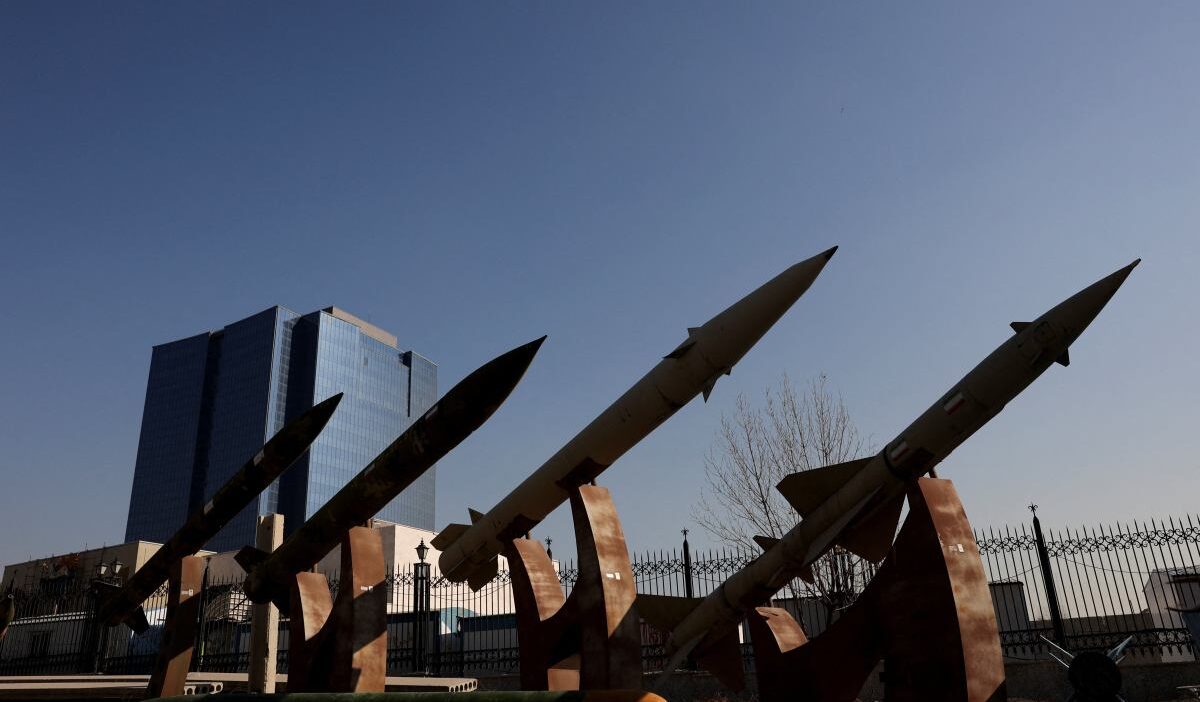
Iran reorganizes military command and escalates rhetoric amid tensions with US during indirect talks mediated by Oman.
Radicalization at Power Peaks in Tehran
Reuters reports Iran plans to reorganize the command of the Islamic Revolutionary Guard Corps (IRGC), a key formation responsible for national security and foreign operations. Current commander General Mohammad Pakpour is set to be replaced by an individual from the structure’s radical wing. Diplomatic sources cited by the agency suggest this change aims to bolster the country’s military readiness amid rising tensions with the USA.
Simultaneously, the influence of Ali Larijani, one of Iran’s most influential politicians and key advisor to Ayatollah Ali Khamenei, is growing. As Secretary of the Supreme National Security Council, he is expected to receive broader powers enabling faster coordination between diplomatic decisions and military actions.
Talks with USA Continue
The changes in Iran’s power structures coincide with indirect talks between Tehran and Washington, facilitated by Oman. Iranian Foreign Minister Abbas Araghchi described the first round of negotiations as a “good start” and announced their continuation. However, he clearly stated Iran has no intention of discussing its missile program or abandoning its right to uranium enrichment.
“Uranium enrichment is Iran’s inalienable right and must continue,” Araghchi emphasized in a state TV interview. Tehran declares readiness for dialogue but simultaneously threatens a military response to any attack. Araghchi confirmed Iran would not strike US territory directly but would target US military bases deployed in the Middle East.
Trump Pressure and New Sanctions
Tensions are further inflamed by actions from the Donald Trump administration. The US President has repeatedly threatened Iran with military intervention in recent weeks and, on Friday, February 6th, signed an executive order enabling tariffs on countries trading with Tehran. This includes nations purchasing Iranian oil, petrochemical products, or metals. Washington maintains that further uranium enrichment by Iran crosses a “red line,” while Tehran views it as an element of sovereignty and a security guarantee against Israeli threats.
Fears of Conflict Escalation
Although formal diplomacy remains open, both regional powers and global superpowers increasingly fear that failure of the talks could lead to another war in the Middle East. Iran has already warned Gulf States hosting US bases that they could become targets of attacks if they engage in any potential US operation. Concurrently, on the day the talks began, Iranian state media reported the deployment of one of Iran’s most advanced ballistic missiles, the Khorramshahr-4, into underground bases of the Islamic Revolutionary Guard Corps.