Following a ceasefire in the Middle East conflict, Iran is asserting control over the Strait of Hormuz, significantly restricting tanker traffic and increasing oil prices.
Iran Strengthens Control, Oil Prices React
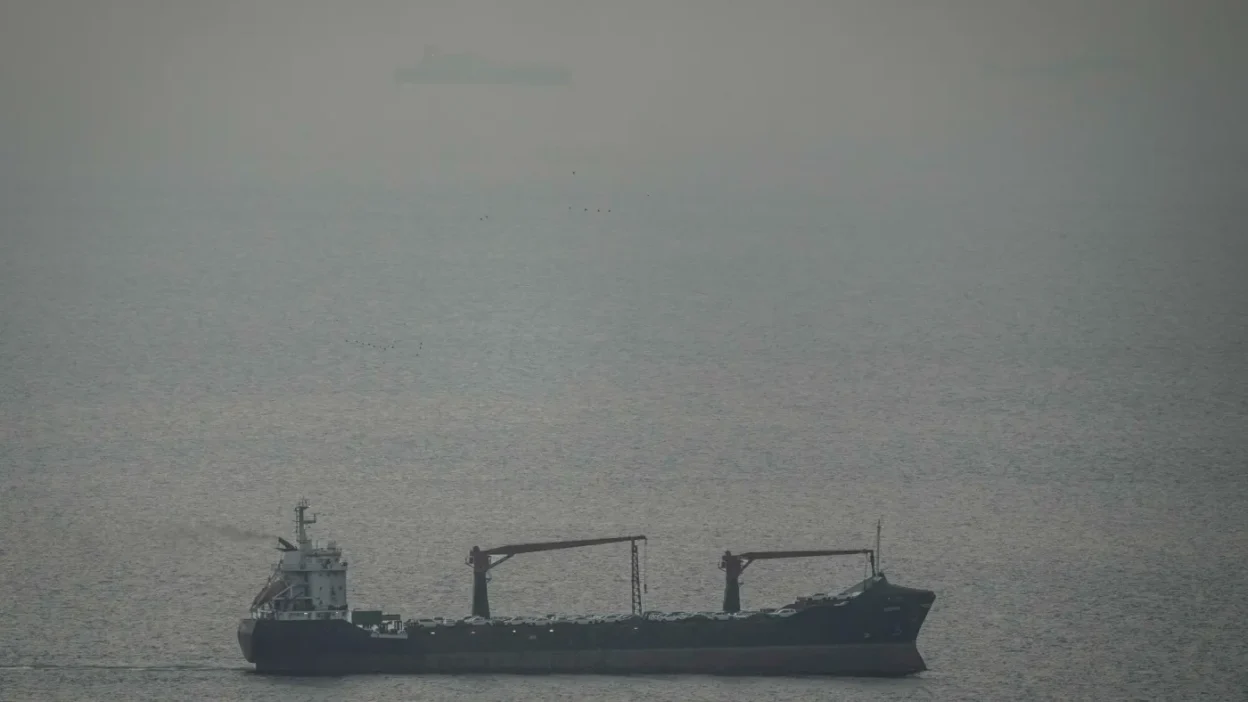
Iran is increasing its control over the Strait of Hormuz, leading to a resurgence in oil prices. On the first day of the Middle East ceasefire, only four ships transited the strait – the lowest number since the beginning of April.
Safe passage now costs up to $2 million. During the European trading session, American WTI crude for May delivery was trading around $100 a barrel, while European Brent crude for June delivery was at approximately $98 a barrel – a 4-5% increase from the previous day.
Strait Remains Blocked, Ceasefire Conditions
The reopening of the strait, through which 20% of the world’s oil supply passes, is a condition of the ceasefire agreed upon Wednesday. Both sides interpret the agreement differently. The United States believes ships should have free passage, as before the conflict.
Tehran agrees to safe passage during the two-week truce, but only if coordinated with the Iranian armed forces. In practice, Iran fully controls the strait, requiring approval from the Islamic Revolutionary Guard Corps (IRGC) for passage.
IRGC Control and Transit Fees
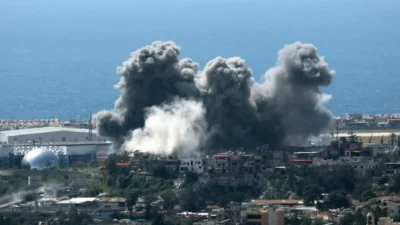
The IRGC, designated a terrorist organization by the US and EU, is effectively controlling access. On Wednesday, only four ships passed through the strait, the fewest since early April, with the waterway briefly completely blocked. Iran is attempting to leverage this control to halt fighting in Lebanon, a point of contention in the ceasefire agreement.
Tehran claims the ceasefire includes Lebanon, a claim denied by the US and Israel.
Oil Flow Reduction and Historical Data
Before the US and Israeli attacks on Iran in February, approximately 20 million barrels of oil and products passed through the strait daily. In March, this figure dropped below 2.5 million barrels. April saw a slight increase to 4 million barrels as Iran allowed select “friendly” nations through.
Normally, over 100 vessels traverse the strait in both directions daily.
Tanker Fees and Payment Methods
Iran has introduced transit fees during the conflict, charging approximately $1 per barrel of oil transported. The largest tankers face costs of around $2 million, payable in Chinese yuan or cryptocurrency.
Negotiations and Regional Opposition
Iran will attempt to formalize these transit fees during planned peace talks in Pakistan, proposing that a portion be paid to Oman, which lies on the other side of the strait. Oman rejects this cooperation, demanding free access. Regional states and oil consumers protest the fees as a violation of international law.
Mines and Restricted Routes
Iran has strengthened its control with mines, directing ships to use two alternative routes around Larak Island. Attempting to use the main route risks hitting a mine deployed by the IRGC in recent weeks.
Potential for Long-Term Disruption
Experts predict the procedure for transit will involve ship operators contacting IRGC-linked intermediaries, providing cargo, crew, and destination information for approval. Iran has indicated it intends to limit traffic to around twelve ships daily during the truce.
There are concerns of a similar situation to the Bab al-Mandab strait, where Houthi attacks in 2023 caused a significant and lasting reduction in traffic.
Bab al-Mandab Precedent and Oil Price Impact
Between 2021-2023, 22-24,000 ships passed through Bab al-Mandab annually. In 2025, this number fell by over 40% due to ongoing risks and increased insurance rates. Even a lasting peace agreement may not restore traffic levels, potentially driving up oil prices.
Materiał chroniony prawem autorskim – wszelkie prawa zastrzeżone.
Dalsze rozpowszechnianie artykułu za zgodą wydawcy INFOR PL S.A. Kup licencję.
Wpisz adres e-mail wybranej osoby, a my wyślemy jej bezpłatny dostęp do tego artykułu
Powiązane
Copyright © INFOR PL S.A.