


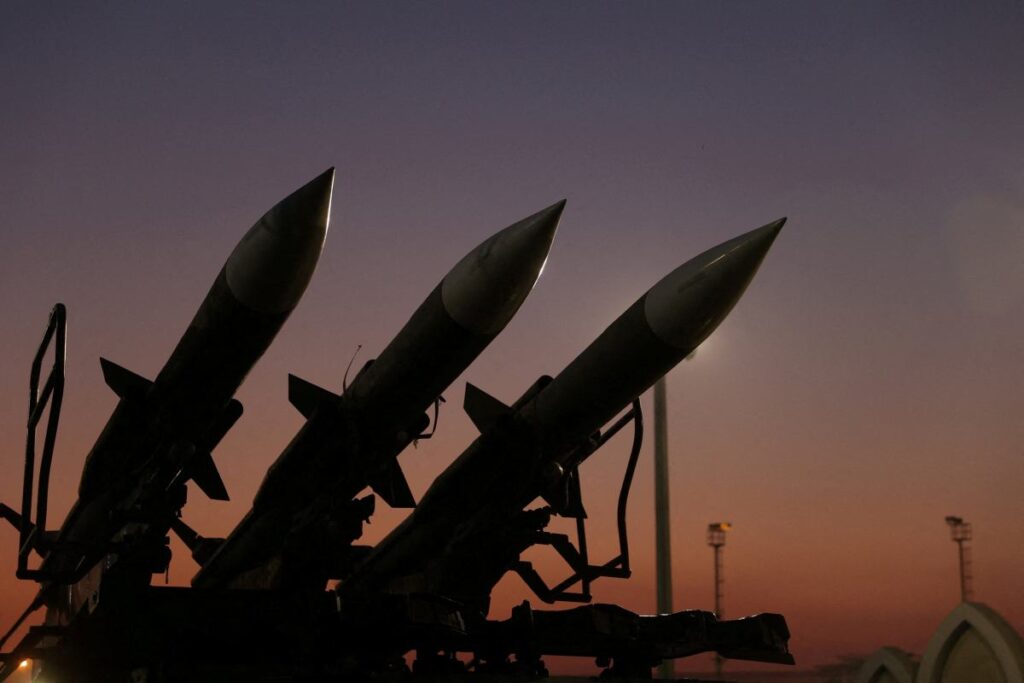
On Wednesday, June 3, Iranian projectiles struck the T1 terminal at Kuwait International Airport, causing severe damage and forcing a suspension of all flight operations until safety is verified.
Damage and Operational Halt
The Wednesday, June 3, shelling caused severe damage to the T1 terminal building, according to the National Civil Aviation Authority. Flights are being redirected to alternative airports until inspections confirm the facility is safe to resume operations, with Kuwait Airways announcing an indefinite suspension of all services.
Military officials are currently assessing the extent of the damage. While reports indicate there are casualties, specific details have not yet been released. Colonel Saud Abdulaziz Al-Atwan, spokesperson for the Kuwaiti Ministry of Defense, has publicly condemned the attack as a criminal act of aggression.
Regional Escalation and Intercepts
Hours before the terminal was hit, U.S. military reports confirmed that two Iranian missiles aimed at Kuwait failed to reach their targets or disintegrated in flight. Separately, three additional Iranian missiles targeting Bahrain were intercepted by U.S. and Bahraini forces.
The U.S. Central Command (CENTCOM) stated that American forces conducted self-defense strikes against Qeshm Island, successfully neutralizing multiple Iranian ballistic missiles and drones. This follows an earlier engagement on Monday, June 1, in which U.S. forces shot down two ballistic missiles aimed at a U.S. base in Kuwait after targeting Iranian radar and command installations.
Fragile Ceasefire Strained
These hostilities occur despite an ongoing ceasefire between the U.S. and Iran that has been in effect since April 8. Reports from the Associated Press suggest the attack occurred amidst claims that Tehran had severed communications with mediators regarding an extension of the truce.
President Trump has disputed reports that talks have collapsed, though he acknowledged the uncertainty of the outcome. Addressing Tehran via Truth Social, Trump urged a resolution, stating that the current cycle of conflict has persisted for 47 years and is no longer sustainable.