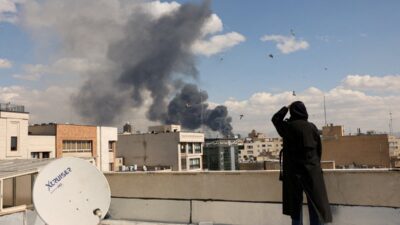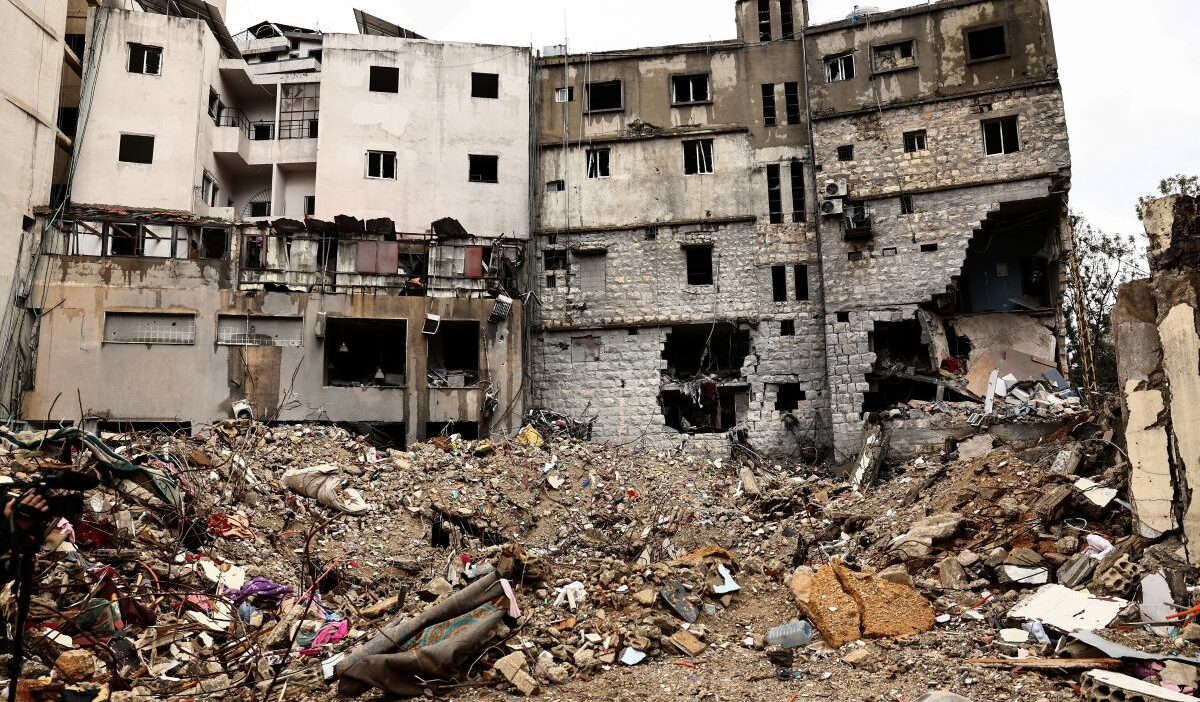
Israel’s military confirmed “massive strikes” targeting Iranian infrastructure Thursday morning, following rocket fire from Hezbollah and escalating tensions across the region.
Middle East Conflict Intensifies
The Israeli military announced the completion of a series of strikes against Iranian regime targets in multiple locations within the country.
Prior to the strikes, Hezbollah, backed by Tehran, launched six rockets towards central Israel. While Israeli defense systems intercepted the projectiles and no casualties were reported, Hezbollah claimed its rockets precisely hit the Kirya base in Tel Aviv, headquarters of the General Staff, and a military intelligence center.
Regional Alarms and Drone Attacks
During the 27th day of the conflict, alarms sounded in Bahrain and the United Arab Emirates. Saudi Arabia intercepted over 20 drones over its oil-rich Eastern Province.
In Kuwait, firefighters have been battling a fuel tank fire at the airport for nearly a day, triggered by two drone strikes the previous night. The Islamic Resistance Movement in Iraq claimed responsibility for 23 attacks on US bases over the past 24 hours, utilizing dozens of drones.
Russian Drone Supplies to Iran?
Reports from the “Financial Times” suggest potential Russian drone deliveries to Tehran, which would mark Moscow’s first direct military support in the conflict. Russian authorities have dismissed these claims, stating, “There is a lot of fakes circulating now. One thing is true – we continue dialogue with Iranian leadership.”
Iran Considers Fees for Strait of Hormuz Transit
Tensions are rising along strategic trade routes as the Iranian parliament considers legislation to impose fees for ships passing through the Strait of Hormuz. An Iranian parliamentary official stated that charging fees is standard practice, similar to other transit corridors, and that ensuring the strait’s security justifies the charges for tankers and vessels.
The move follows Israeli-American strikes on Iran on February 28th, which prompted Tehran to block the Strait of Hormuz, a critical waterway for approximately 20% of global oil transport, causing a surge in energy prices.
Indirect Communication Between Iran and US
Despite official denials of direct talks, Iranian sources cited by the “New York Times” confirm that Tehran and the US are exchanging messages through intermediaries.
Iran has also announced the appointment of a successor to Ali Laridjani as head of the Supreme National Security Council.