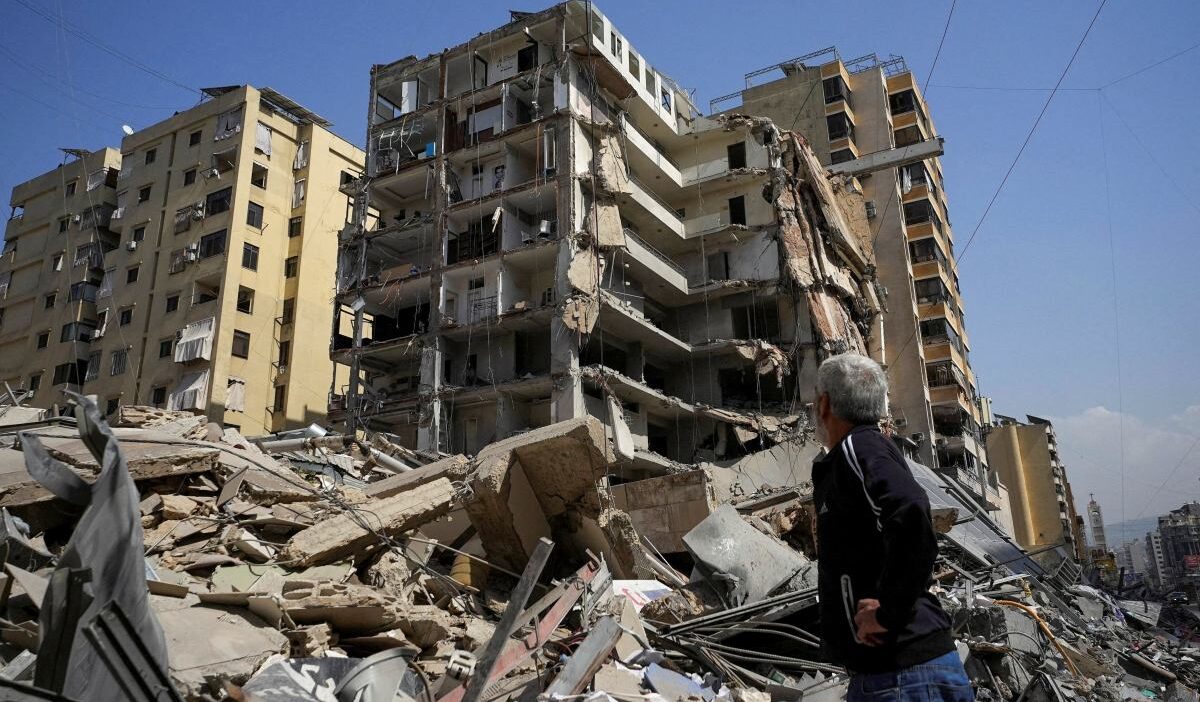
Israeli forces conducted extensive airstrikes targeting approximately 100 Hezbollah positions in Lebanon, resulting in hundreds of reported deaths and injuries.
Israel Launches Extensive Strikes on Lebanon
Israeli forces attacked around 100 command posts and military infrastructure targets within 10 minutes across multiple areas of Lebanon, marking the largest strike against Hezbollah infrastructure since the start of operations, according to the Israeli military.
The strikes targeted locations in Beirut, the Bekaa Valley, and southern Lebanon, including Hezbollah intelligence headquarters, offices used for attack planning, rocket and naval infrastructure, and resources belonging to the Radwan elite forces.
Civilian Shielding Allegations
The Israeli military stated that most of the targeted locations were “in the heart of civilian-populated areas,” accusing Hezbollah of cynically exploiting Lebanese civilians as human shields to protect its operations.
Casualties and Evacuations
Prior to the attacks, the Israel Defense Forces (IDF) issued warnings for Lebanese civilians to evacuate. The Lebanese Ministry of Health, cited by Reuters, reported hundreds of deaths and injuries resulting from the Israeli strikes.
Continued Offensive Planned
Israel has stated it will continue attacks on Hezbollah. The IDF clarified that the recent large-scale attacks are not “final attacks,” and fighting with the group will continue.
IDF Chief of Staff General Eyal Zamir announced they will “continue attacks on the terrorist organization Hezbollah and utilize every opportunity,” prioritizing the safety of northern Israeli residents and maintaining uninterrupted attacks.
US-Iran Deal and Focus on Hezbollah
The Israeli military reported halting attacks targeting Iran following a US-Iran ceasefire agreement, but will continue attacks on Hezbollah targets in Lebanon.
Hezbollah’s Stance and Warnings
Before the Israeli strikes, Hezbollah stated it was “on the verge of a great historical victory” achieved through the sacrifices of its fighters and the resilience of civilians, advising residents not to return to combat zones until a ceasefire is officially announced.
Escalation of Conflict and Regional Context
For over a month, Hezbollah has been launching attacks on northern Israel, prompting Israeli airstrikes on targets in Lebanon and a limited ground offensive into southern Lebanon. Israel has stated its intention to maintain control over southern Lebanon, previously held by Hezbollah.
Lebanon, home to approximately 6 million people, is facing a deep economic and political crisis, exacerbated by the 2006 Israel-Hezbollah war. The Lebanese government has announced plans to disarm Hezbollah, but the group refuses to lay down its arms.