


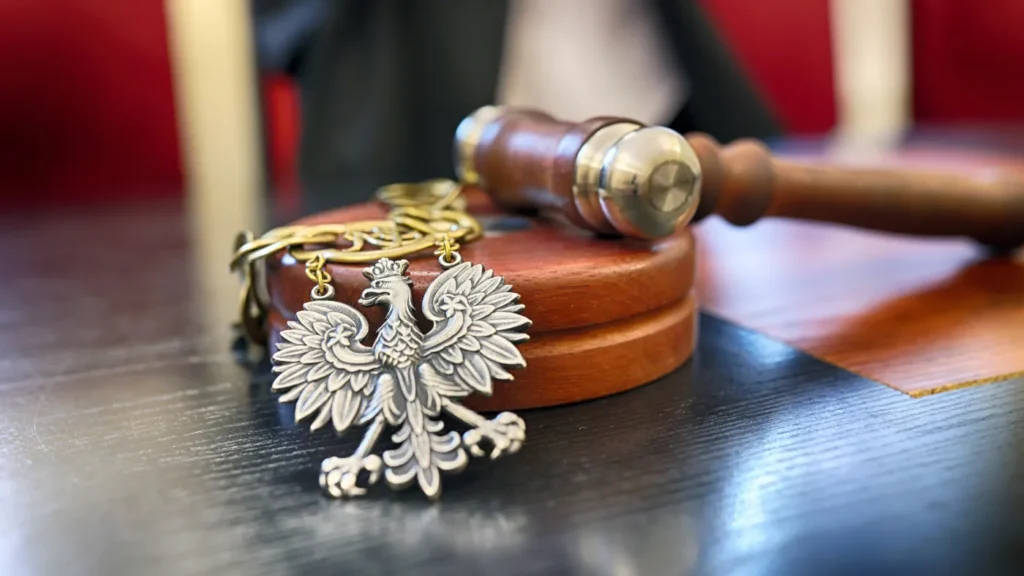
Elections for judges to the National Council of the Judiciary (KRS) saw a victory for candidates backed by the “Iustitia” association, with a reported turnout exceeding 60%.
Judges’ Elections to KRS: Victory for “Iustitia” Candidates
The elections of judges to the KRS resulted in a win for candidates from the list supported by associations including Iustitia and Themis. Initial reports indicate a turnout of approximately 60 percent, though official figures are still pending.
Results Indicate Clear Triumph for Iustitia
Final results from common courts arrived Thursday evening, as provided by Judge Małgorzata Grzegorczyk-Pomin. The results clearly indicate a triumph for the list supported by the largest judges’ association, “Iustitia.”
Dariusz Zawistowski, a Supreme Court judge and former President of the National Council of the Judiciary, received the most votes, totaling 4182. Candidates associated with the associations “Judges of the Republic” and “Lawyers for Poland” performed poorly, having previously protested the opinion process and even requested their names be removed from the lists.
Voting Method and Promotion Concerns
Skeptics suggest that Iustitia’s success was partly due to the adopted voting method, which allocated 15 votes and favored pre-prepared lists over independent candidates. Concerns were also raised about unequal promotional opportunities for certain judges and active encouragement within the legal community to vote for specific individuals.
Turnout Exceeds Expectations
Concerns about turnout were prevalent before the opinion process. After general assemblies were not convened in any of the provincial administrative courts, and only 34.25 percent of judges voted in the Warsaw District Court, these concerns seemed justified.
However, unofficial information suggests that over half of eligible judges participated in the vote. Bartłomiej Przymusiński, President of Iustitia, estimated the turnout at 60 percent in social media posts.
Copyright Information
Material protected by copyright law – all rights reserved. Further distribution of the article requires permission from the publisher, INFOR PL S.A. A license can be purchased.