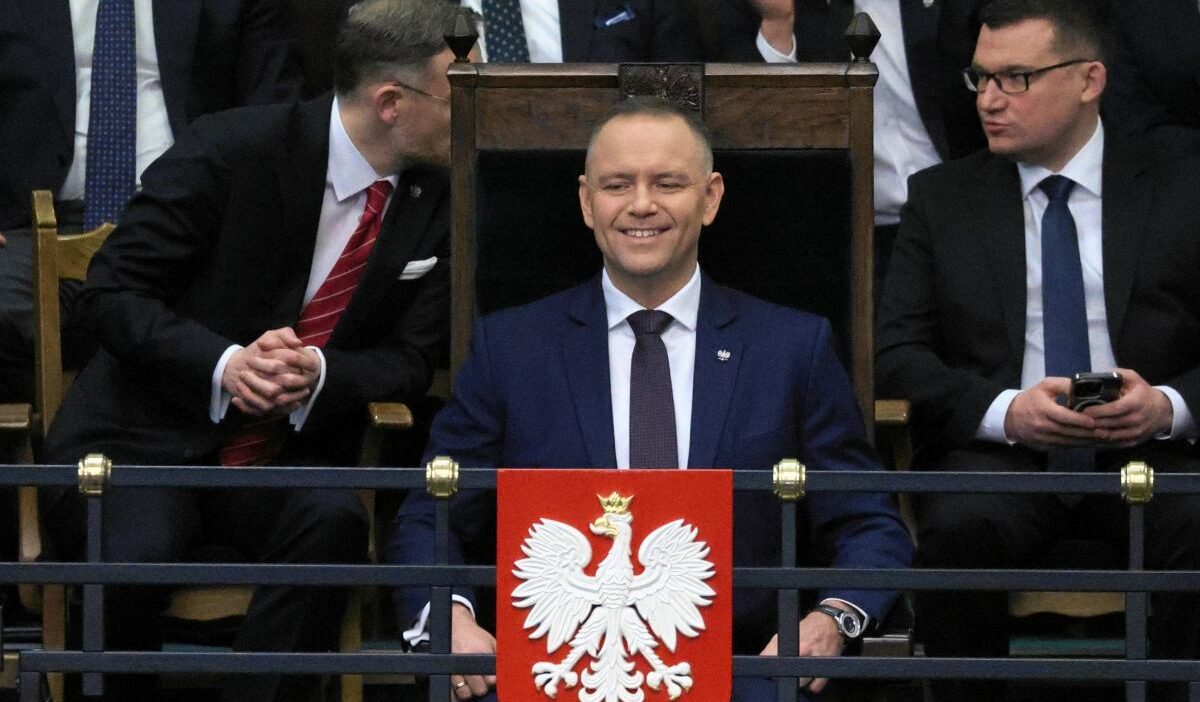
Polish President Karol Nawrocki vetoed a bill amending the Code of Criminal Procedure, citing citizen safety and state effectiveness.
Presidential Justification
President Karol Nawrocki decided to veto the February 27, 2026 bill amending the Code of Criminal Procedure and other laws, citing concern for citizen safety and the state’s effectiveness in combating serious crime, announced presidential spokesperson Rafał Leśkiewicz on X.
Accepting individual beneficial provisions is insufficient grounds to sign a bill, as the new rules could complicate criminal proceedings, conflicting with citizens’ interests and the state’s duty to ensure security, Leśkiewicz added.
Prosecutorial circles also raised serious concerns, noting the amendments risk significant procedural chaos. The state must guarantee a fair process while protecting citizens from crime, requiring clear and precise criminal law, which this revision lacked.
Bill’s Provisions
The amendment aimed to change rules regarding evidence obtained illegally and restrictions on temporary detention. Vice Minister of Justice Arkadiusz Myrcha described it as a “revolutionary project” awaited by legal professionals, NGOs, and citizens experiencing procedural failings.
Myrcha emphasized that temporary detention must be linked to circumstances directly affecting the proceedings, such as flight risk or obstruction of justice, not solely on potential sentence severity. The law also intended to link detention extensions to actual investigative progress.
The bill included constitutional guarantees and defenses but also aimed to normalize rules for operational investigative measures. Myrcha rejected allowing evidence obtained through crime, stressing it must end, contrary to constitutional principles requiring state action within legal bounds.