


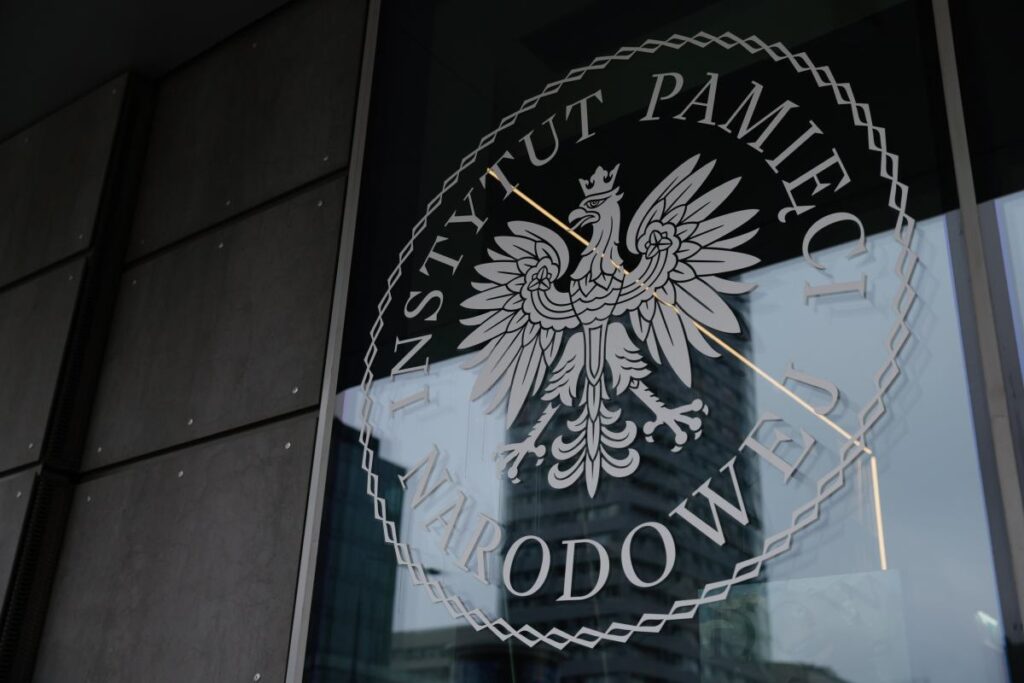
Poland’s Institute of National Remembrance (IPN) has protested the auction of an Order of Military Valor awarded to a Polish officer murdered by the NKVD in 1940.
Order of Military Valor Listed for Auction
An Order of Military Valor, awarded to Captain Juliusz Roman Heinzel, a Polish officer murdered by the NKVD in the spring of 1940, has appeared for sale on a Ukrainian internet portal, according to the Institute of National Remembrance (IPN).
Identification of the Recipient
The number on the order allows for the identification of the recipient, Captain Juliusz Roman Heinzel, a descendant of prominent Lodz industrialists of German origin and a hero of the war against the Bolsheviks.
Captain Heinzel’s Military Service
He commanded one of the squadrons of the legendary 16th Greater Poland Uhlan Regiment. He was awarded the Silver Cross of the Order of Military Valor, the Commemorative Medal for the War of 1918-1921, and the Medal for the Tenth Anniversary of Regained Independence for his bravery in battle.
Imprisonment and Murder
Captain Heinzel returned to active military service in September 1939. Like thousands of other reserve officers, he was captured by the Soviets. In the spring of 1940, he was transferred from the Starobielsk camp to Kharkiv, murdered in the basement of the NKVD prison, and buried near the village of Piatihatky, along with approximately 3,800 other Polish officers.
Burial and IPN Protest
Captain Heinzel rests at the Cemetery of Victims of Totalitarianism in Kharkiv, opened on June 17, 2000. The IPN states that the condition of the order suggests it was found during searches for victims of the crime and protests the morally reprehensible commercialization of one of the largest Soviet crimes committed during World War II.
IPN Appeal
The IPN appeals to the owner of the order to donate the invaluable souvenir to Polish authorities and to the portal administration to immediately end the auction. The IPN emphasizes that places for invaluable testimonies of history are in the collections of remembrance institutions, and the memory of the victims should not be a subject of trade.