


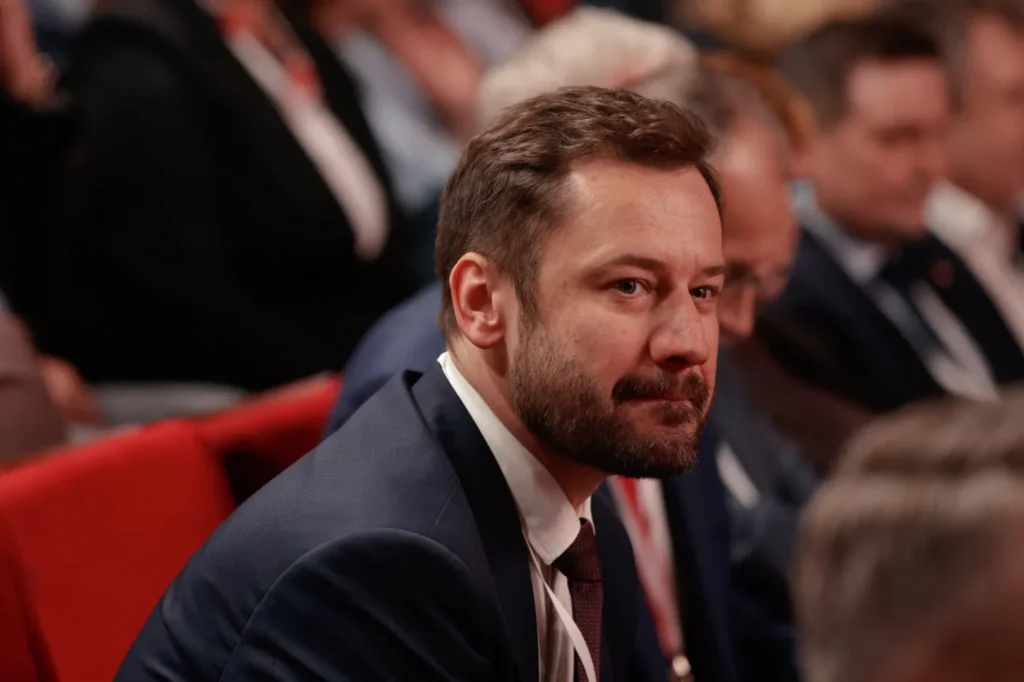
Krakow voters have officially recalled President Aleksander Miszalski in a decisive referendum, though the simultaneous vote to dissolve the City Council failed to meet the required turnout threshold to be binding.
Decisive Referendum Outcomes
The municipal referendum in Krakow has yielded clear results. The City Referendum Commission confirmed that residents voted in favor of recalling Aleksander Miszalski from his position. Conversely, the vote regarding the City Council did not meet the mandatory turnout threshold, meaning the council retains its mandate.
According to a late poll by the Nationwide Research Group and Stan360 for Polsat News, voter turnout was 31.8 percent. Although lower than the 33.4 percent exit poll projection, this figure was sufficient to validate the presidential recall.
Landslide Recall Votes
In the vote concerning President Miszalski, 97.8 percent of participants supported his removal, while only 2.2 percent opposed it. The City Council vote saw 96 percent in favor of dismissal and 4 percent against; however, this carries no legal weight due to the turnout shortfall.
Turnout and Statutory Thresholds
Each referendum was calculated independently regarding turnout and ballot counts. A valid presidential recall required 158,555 voters, representing roughly 26.98 percent of the electorate. The City Council recall required a minimum of 179,792 voters, or 30.6 percent.
With 585,228 eligible voters in Krakow, the 31.8 percent turnout surpassed the threshold for the president but fell short for the council.
Drivers of Public Mobilization
Exit polling indicates that the Clean Transport Zone was the primary motivator for participants, cited by 28.3 percent of respondents. Overall dissatisfaction with city leadership was the deciding factor for 74 percent of voters, while 26 percent were more influenced by the national government’s performance.
Political Consequences
With the recall finalized, the Prime Minister must appoint a commissioner to manage the city until early elections are held. The City Council will continue its operations. The referendum originated from a civic initiative supported by approximately 134,000 residents, marking one of the largest movements in Polish local government history.