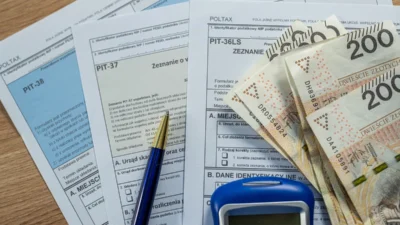
Poland’s new e-invoicing system KSeF launched Feb. 1, but high traffic caused login issues for another government service.
Technical Issues at Launch
Due to massive interest in KSeF 2.0 launched Feb. 1 by the Ministry of Finance, temporary login difficulties occurred with the Profilm Zaufany service. The Ministry advised using alternative identification methods for public services unrelated to KSeF if possible.
The system went live on Sunday, Feb. 1, requiring large VAT taxpayers to issue invoices via KSeF.
Who Must Use KSeF
Currently, only the largest VAT taxpayers must use KSeF for invoicing. This group expands significantly in two months to include a much larger cohort. All entities, including businesses, offices, institutions, and local governments, should know how to receive an invoice issued through the system.
Consumers will likely receive invoices traditionally—on paper or via email—though the VAT law permits issuing invoices in KSeF to consumers if the seller and buyer agree on the method.
Exceptions to the Rule
Invoices outside KSeF remain mandatory for highway toll receipts, train tickets, fiscal receipts (including those recognized as invoices up to 450 PLN), and so-called fiscal invoices. This notably impacts business customers buying fuel at Orlen stations, which will issue fiscal invoices outside KSeF at least until April.
Companies Misusing Position
Some firms, leveraging stronger bargaining power, are attempting to force smaller suppliers into early KSeF use through contract amendments. Tactics include demanding structured KSeF invoices for payment regardless of legal obligation, setting payment terms from KSeF assignment, requesting invoice visualizations, and threatening VAT refund liability if tax authorities reject non-KSeF invoices.
Tax experts call this an abuse of contractual position, shifting organizational and technological risks onto the weaker party.