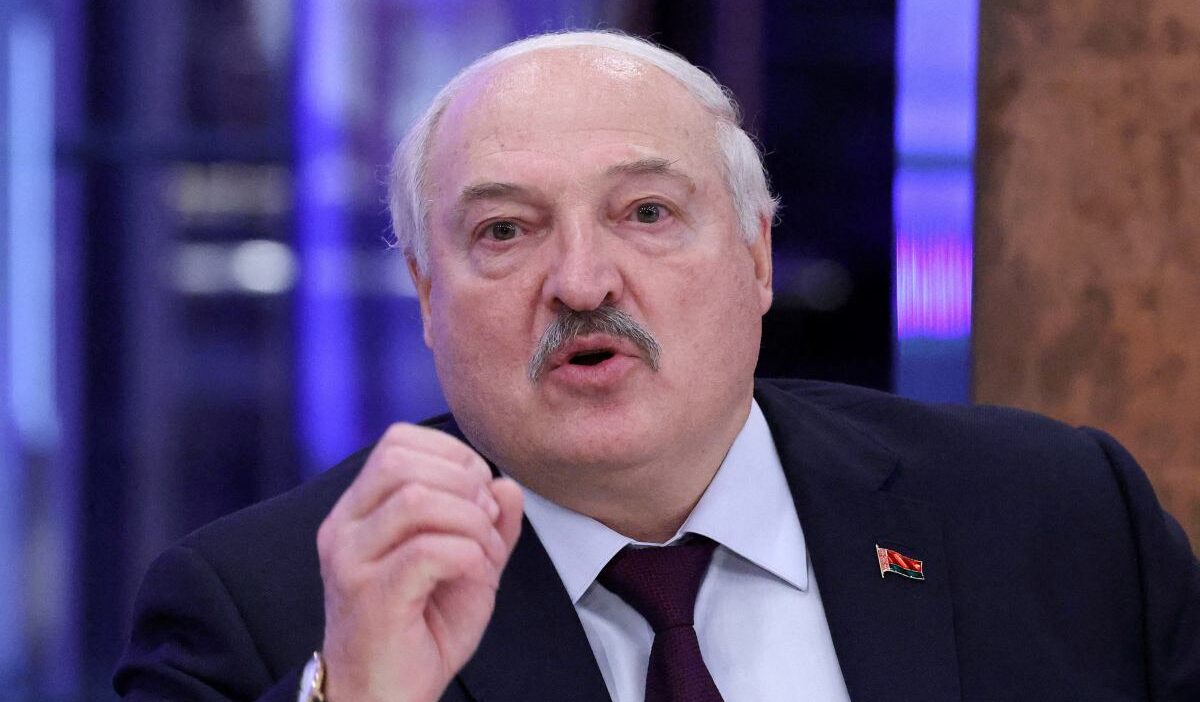
Belarusian President Alexander Lukashenko stated his country is preparing for war following a large-scale military inspection, while reiterating a desire for peace.
Army Inspection Reveals Readiness Focus
Lukashenko addressed attendees during a briefing on the results of a comprehensive inspection of the Belarusian Armed Forces. Approximately 300 people participated, including unit commanders. The inspection, which began on January 16th, was the largest of its kind in Belarusian history.
The inspection aimed to assess the military’s performance under war-like conditions, specifically evaluating units in full combat readiness. Lukashenko dismissed peacetime inspections as a waste of resources, emphasizing the need for realistic training scenarios.
Emphasis on Modern Warfare Capabilities
Lukashenko highlighted the importance of officer preparation, soldier proficiency with weaponry, physical fitness, and the condition of military equipment and technology as crucial for survival and victory in modern warfare. He stressed the need for unit mobility and frequent changes in concentration areas to avoid becoming predictable targets.
He also acknowledged the growing significance of drones as a threat, requiring adaptation in Belarusian military strategy.
Accountability and Objective Assessment
Lukashenko warned commanders of potential dismissal if they fail to demonstrate effectiveness, vowing to not tolerate falsification of reports regarding the army’s state. The inspection involved not only military structures but also security services, the prosecutor’s office, the Investigative Committee, and the State Control Committee.
The operation, designated as “secret,” was personally overseen by Lukashenko to ensure an objective assessment and identify any instances of deception or negligence.
Geopolitical Concerns and External Relations
Lukashenko expressed concern over a deteriorating geopolitical situation and emerging threats near Belarus’s borders, stating, “War is at our doorstep.” He noted that modern warfare may not begin with a traditional large-scale troop concentration.
He revealed ongoing discussions with the United States and emphasized the importance of drawing informed conclusions from interactions with various nations, including the United States, China, Russia, and North Korea, based on his extensive experience.