US and Israel attack Iran over the weekend, causing oil prices and dollar to rise as markets react to potential Middle East conflict escalation.
Market reaction to US and Israel attack: Rise in oil prices
On Saturday morning, the United States and Israel attacked Iran. US President Donald Trump, in a video released shortly after the attacks began, stated that US forces are conducting a “massive and continuous operation” targeting Iran’s military. Israeli Defense Minister Israel Katz also commented on the attack on Iran.
Although oil prices were already rising Thursday evening and Friday, this attack is still a surprise to the market, as investors were preparing for next weekend, March 7-8, said Marek Rogalski, chief market analyst at DM BOŚ.
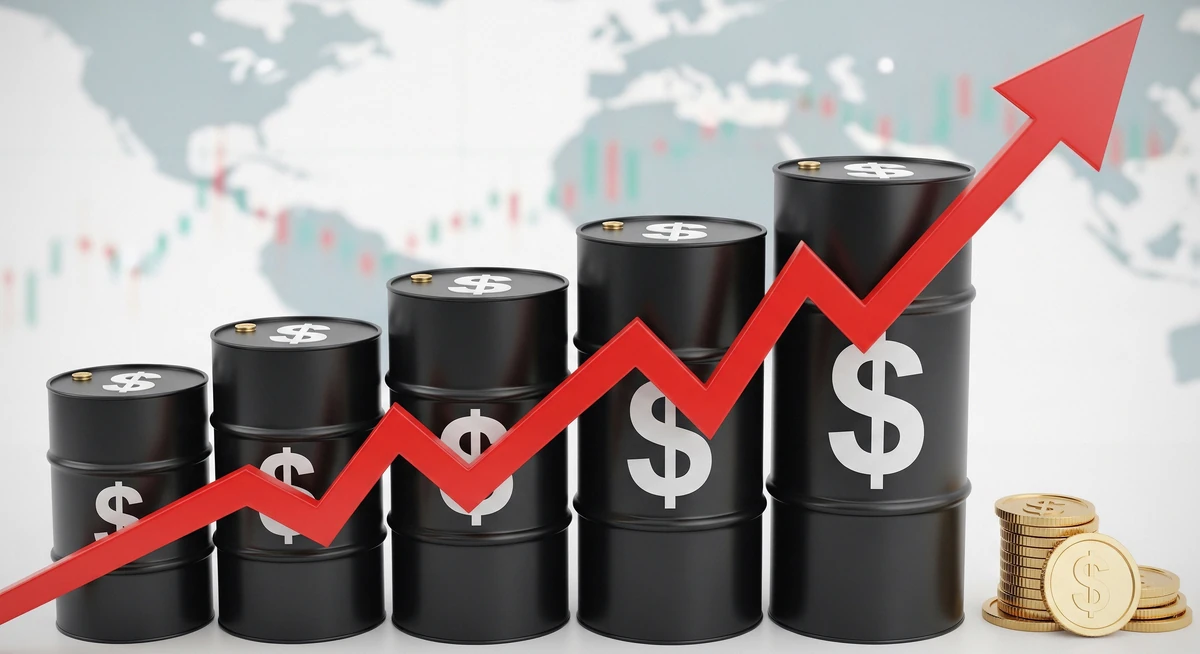
In his view, the market’s reaction to this attack will be an increase in oil prices by several percent; afterward, the market will analyze what might happen next.
Increased demand for dollar and gold following escalation of tensions in the Middle East
Rogalski believes that future oil price movements will depend on whether investors view the attack as short-lived or as part of a longer-term conflict. If investors determine the conflict will be short-term, the economist says, “peaks in oil prices will likely come sooner rather than later.”
Historically, the dollar has strengthened during conflicts, and Rogalski believes this principle still applies. Recently, it has been visible that some investors were moving toward the dollar, which was evident by the demand for US bonds, said Marek Rogalski.
So on Monday, oil will rise, the dollar will rise, and gold will likely also rise, which some investors still consider a safe haven, although in my opinion it has ceased to fulfill this function due to the scale of speculation in this metal, he added.
On Friday on the ICE exchange, April-delivery WTI oil contracts were valued at $67.23 per barrel at the end of trading, representing an increase of just over 0.3 percent. Similar Brent oil contracts on this exchange cost $72.52 per barrel on Friday, after an increase of just over 0.05 percent. In both cases, contract prices on Friday midday were slightly higher than those recorded at closing.