


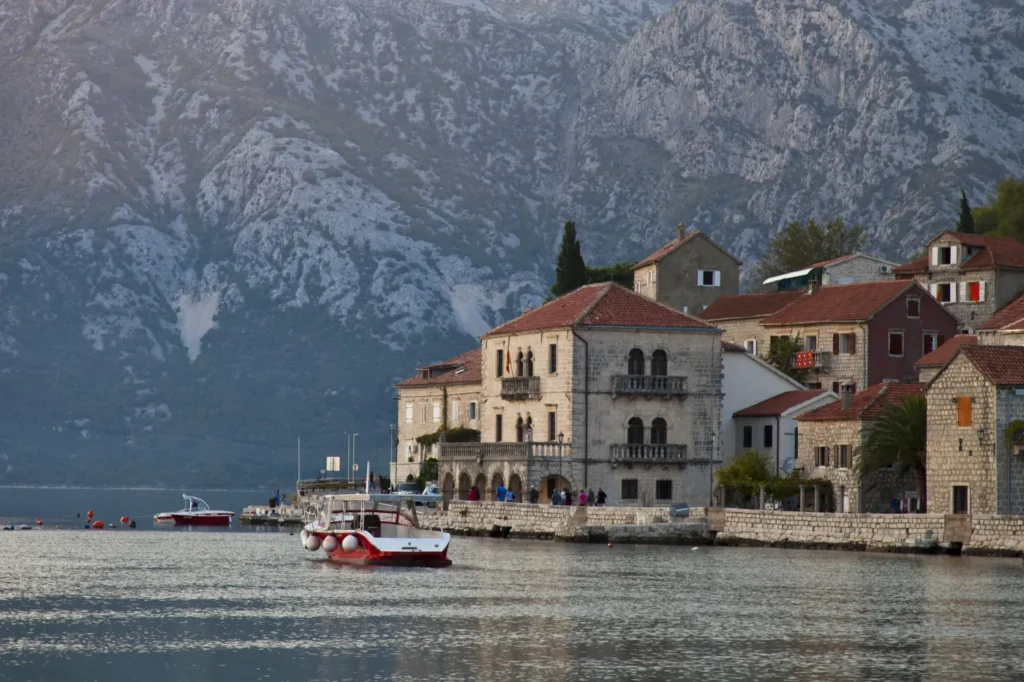
EU member states have unanimously agreed to start work on Montenegro’s accession treaty, with Podgorica hoping to join the bloc by 2028.
Montenegro’s Accession Process Commences
EU ambassadors have unanimously approved the initiation of work on Montenegro’s accession treaty. Podgorica does not rule out joining the European Union within two years.
Commissioner for Enlargement Marta Kos stated, “Montenegro’s presence in the EU is taking shape. This is an important step on the path to membership, a clear recognition of Montenegro’s progress and an encouragement to accelerate reforms.” This followed the European Union Council’s unanimous decision to establish a working group to draft the accession treaty.
Safeguards and Lessons Learned
The EU official added that opening a new stage in Podgorica’s accession path “creates an opportunity to draw lessons from previous enlargements and incorporate new, stronger safeguards in future accession treaties to prevent breaches of the rule of law and fundamental values.”
Timeline and Expectations
Montenegro aims to join the EU by 2028. The EU Council has launched work on the accession treaty.
Maida Gorčević, the minister responsible for European affairs in the Milojko Spajić government, described the outcome of the EU diplomatic meeting as “excellent news.” Podgorica anticipates its accession to the EU could be realized as early as 2028.
Historical Context of Montenegro’s Candidacy
Montenegro applied for EU membership in 2008, two years after declaring independence from Serbia. The European Council granted Montenegro candidate status in late 2010, and negotiations between the EU Council and Podgorica began in June 2012 during the first ministerial-level accession conference.
Negotiation Progress to Date
Since then, 26 such meetings have taken place, and both sides have opened all 33 negotiating chapters. To date, the former Yugoslav republic, with a population of just over 630,000, has provisionally closed 14 chapters, including those concerning external relations, education and culture, and the free movement of capital. The Trans-European Networks chapter was closed during the last round of negotiations in March 2026.
Montenegro Leads Among Candidates, Faces Strict Conditions
Brussels openly acknowledges that Montenegro is currently at the most advanced stage of all candidate countries regarding accession. However, there will be no shortcuts, and the European Commission (KE) does not intend to apply a preferential tariff regarding the pace or quality of reforms implemented by the Montenegrin government.
Priority Areas for Reform
According to Brussels’ expectations, Podgorica should continue to prioritize areas such as the rule of law and human rights, media independence, and the resilience of state institutions.
EU Enlargement Outlook: 2025 and Beyond
In November 2025, the KE reported that Albania, Ukraine, and Moldova also stand out in the enlargement process alongside Montenegro. The group of candidate countries also includes Serbia, North Macedonia, Bosnia and Herzegovina, Turkey, and Georgia, while Kosovo has been granted potential candidate status. The last enlargement of the bloc took place in 2013 with the accession of Croatia.