


The Russian Foreign Intelligence Service has leveled direct threats against Latvia, accusing the NATO member of facilitating Ukrainian drone attacks, a claim Riga has flatly denied amid heightened regional aerial tensions.
Escalating Rhetoric from the Kremlin
Russia’s foreign intelligence agency is ramping up pressure on the Baltic states, specifically accusing Latvia of allowing Ukraine to conduct drone strikes from NATO territory. In an aggressive statement, Moscow declared that the coordinates of decision-making centers in Latvia are well known, warning that NATO membership would not protect the country from what it termed a just punishment.
The Kremlin further alleged that Ukrainian personnel are present at five Latvian military bases. This rhetoric follows a pattern of hostile statements directed at NATO nations bordering Russia, which have intensified alongside a series of drone-related incidents across the Baltics.
Aerial Incidents and Military Response
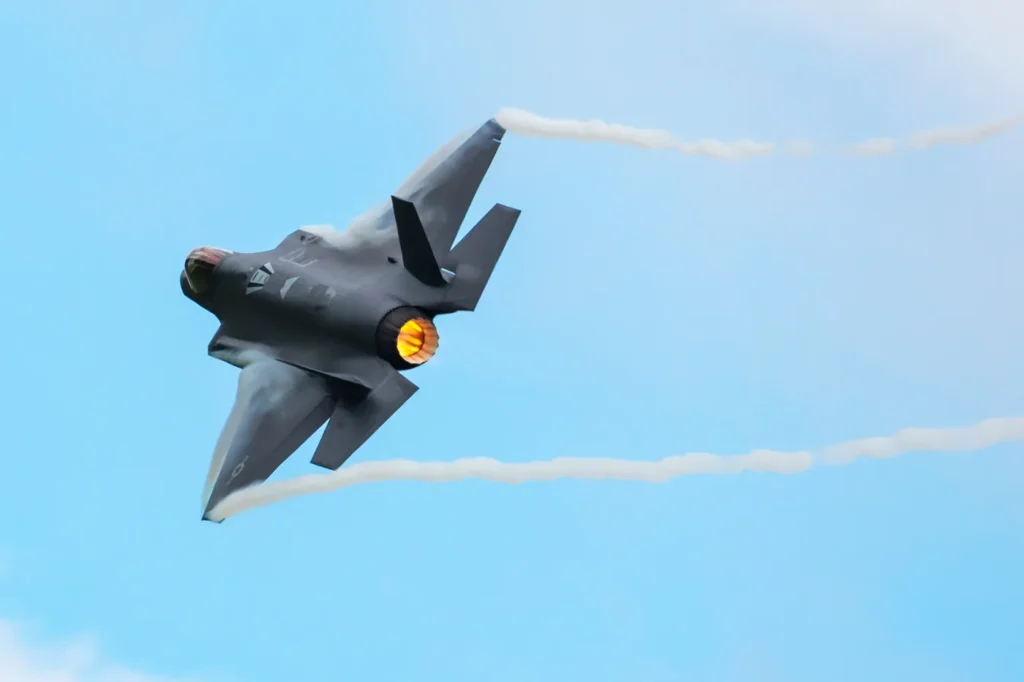
In response to the growing threat, Latvian and Estonian authorities have scrambled NATO patrol jets and warned residents of potential risks. Authorities in Tallinn confirmed the downing of a drone over Lake Vortsjarv, though initial indicators suggest it may have belonged to the Ukrainian military. A second drone was reportedly detected over Latvian territory.
Latvia has experienced significant air space violations in recent months. In May, two drones flying from Russia crashed in the eastern part of the country, causing a fire at fuel storage facilities in Rezekne. Earlier in March, the Latvian military reported shooting down an unidentified drone that entered its airspace from Russian territory.
Political Fallout and Defense Reviews
The drone crisis triggered a major political shake-up in Riga. Prime Minister Evika Siliņa resigned following a government crisis over the state’s response to the security incidents. Prior to her departure, she dismissed Defense Minister Andris Sprūds, citing insufficient measures taken to protect the nation’s airspace. This turmoil led to the dissolution of the ruling coalition.
The government has launched an internal investigation into the delayed warning systems and response times during these incidents. Simultaneously, the military has been ordered to conduct an immediate review of its air defense plans along the Russian border.
Countering Disinformation and Hybrid Threats
The Latvian Ministry of Defense has firmly rejected the Kremlin’s accusations, emphasizing that Latvia does not participate in planning Ukrainian offensive operations. While Riga maintains that Ukraine has the right to defend itself against Russian aggression, officials clarify that Baltic territory is not being used as a staging ground for attacks.
Experts view these accusations as a classic Kremlin propaganda tactic aimed at portraying NATO states as direct combatants. Similar narratives have been repeatedly deployed against Poland, alleging non-existent plans for military intervention in Ukraine—claims that have been consistently debunked by both Polish authorities and international analysts.
Strengthening the Eastern Flank
Incidents along the border have spurred the eastern flank of NATO to demand an expansion of air and anti-drone defense systems. During a recent meeting of the Bucharest Nine, leaders called for a bolstered NATO presence and the development of integrated regional air protection.
Latvia is positioning itself as a hub for drone technology and defense, with NATO having recently launched a dedicated test range for unmanned aerial systems and anti-drone technology within the country. Experts warn that the widespread use of affordable drones in the Ukraine conflict has fundamentally shifted military operations, heightening the risk of repeat incidents on NATO soil.