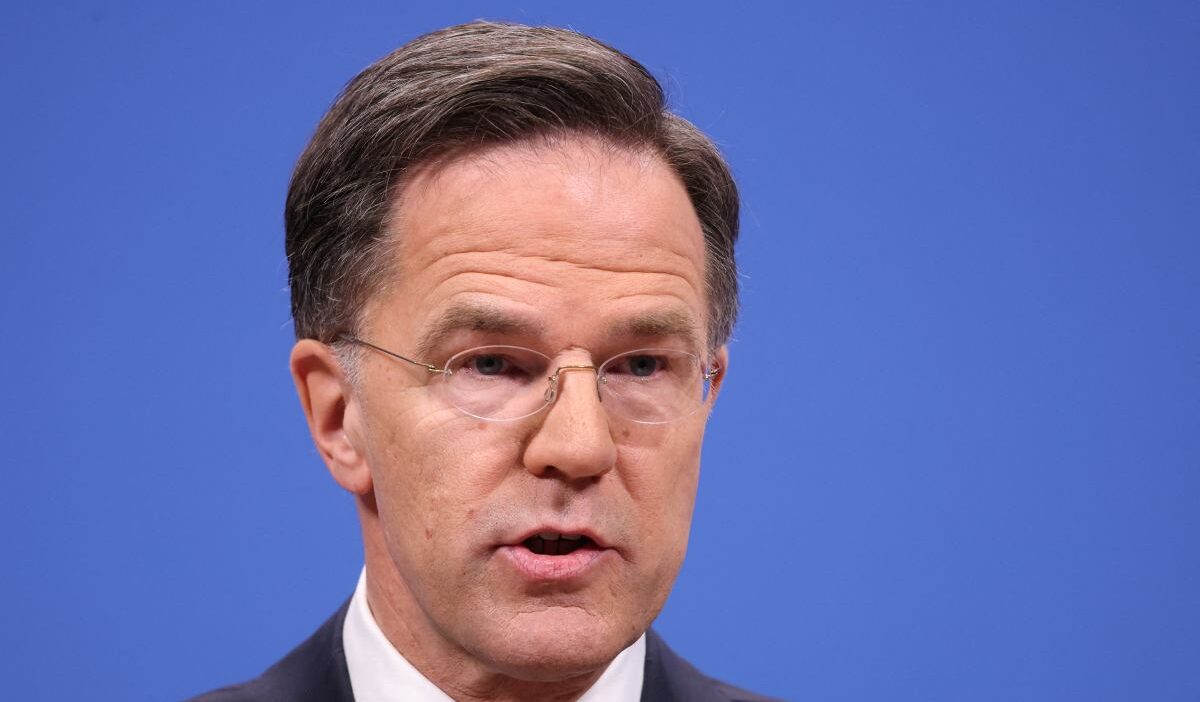
NATO Secretary-General Mark Rutte will visit the U.S. April 8-12, meeting with President Trump as the future of the alliance faces renewed questions.
Rutte’s U.S. Visit and Schedule
NATO Secretary-General Mark Rutte will visit the United States from April 8 to April 12. He is scheduled to meet with President Donald Trump, Secretary of State Mark Rubio, and Defense Secretary Pete Hegseth on Wednesday.
Rutte will deliver a speech on April 9 and participate in a debate hosted by the Ronald Reagan Presidential Foundation Institute. From April 10-12, he will attend a Bilderberg Group meeting, a forum for American and European business leaders.
Trump’s Threats and Criticism of NATO
Trump has recently threatened that the U.S. might leave NATO. He has also criticized European allies for their perceived lack of commitment to the conflict stemming from the U.S. and Israel’s attack on Iran on February 28.
Maintaining Relations with Washington
Despite the tensions, NATO Secretary-General Rutte is attempting to maintain good relations with Washington, a task made particularly difficult by the ongoing conflict in the Middle East.
Trump’s “Anger” Puts NATO’s Future in Question
Reuters reported that Trump’s anger towards European allies is casting doubt on the future of NATO. The agency noted that tensions surrounding the situation with Iran have deepened divisions within the alliance.
Escalating Criticism and Historical Context
Trump’s criticism of NATO, present throughout his presidency, has intensified during his second term. The current tensions stem from his frustration with Europe’s lack of support for U.S. and Israeli military actions against Iran and securing shipping lanes in the Strait of Hormuz.
Doubts About U.S. Support for Europe
In February, Mark Rutte dismissed the idea of defending Europe without the United States as a “stupid idea.” However, experts and officials are increasingly questioning the likelihood of U.S. military assistance.
Former chief of the French armed forces, General Francois Lecointre, stated that NATO remains essential but that it is necessary to consider the alliance without the United States.
Past Concerns and Potential Exit Strategies
Reuters recalled that Trump previously questioned NATO’s role during his first term (2017-2021), even considering withdrawing the U.S. from the alliance. Upon resuming office in January 2025, his intensified threats regarding Greenland further strained transatlantic relations.
While a formal exit from NATO would require a two-thirds vote in the U.S. Senate, the President, as commander-in-chief, could decide whether the U.S. military would defend NATO members, potentially jeopardizing the alliance without a formal withdrawal.
Transatlantic Relations at a Turning Point
A former U.S. representative to NATO, Julianne Smith, stated, “I think we are closing a chapter of 80 years of common work.” She clarified that the current situation does not signify the end of transatlantic relations but rather the beginning of a relationship with a different character.
Trump recently told the British newspaper “The Telegraph” that he is considering leaving the alliance, further fueling concerns about the credibility of security guarantees and the future of transatlantic cooperation.