


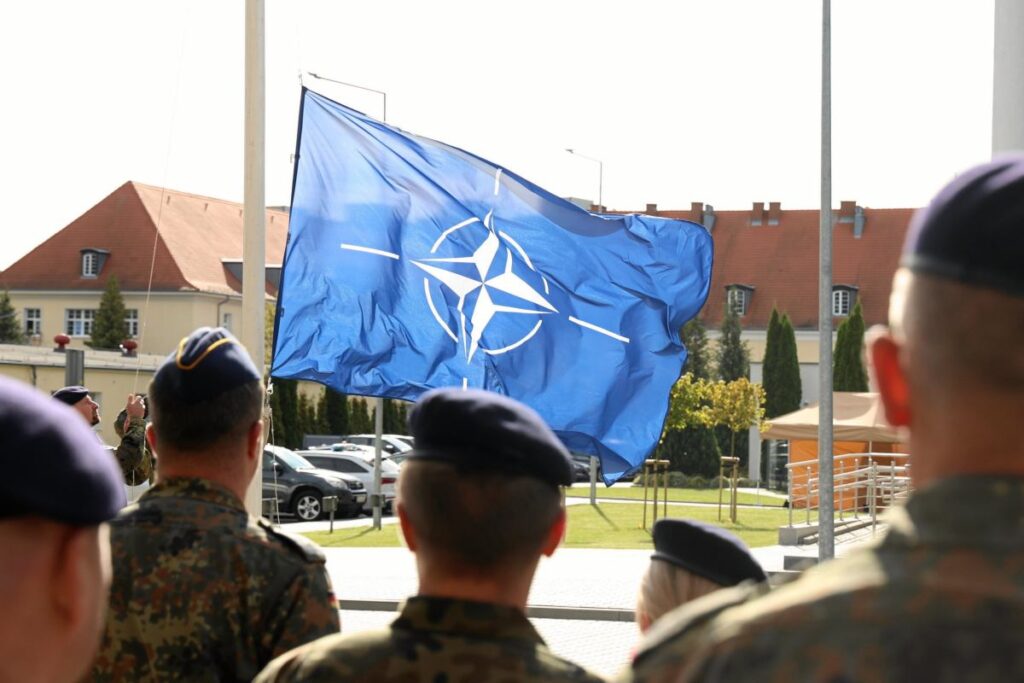
NATO is preparing a major restructuring of Baltic defense, which would see command authority move from Szczecin, Poland, to a new headquarters in Muenster, Germany, to improve regional response capabilities.
Shift in Regional Command
According to Reuters, NATO is planning a strategic shift in the defense of Estonia and Latvia in the event of a conflict with Russia. Currently, forces in the Baltic states and northern Poland are coordinated primarily through the headquarters in Szczecin.
Under the new plans, responsibility for the defense of Estonia and Latvia would fall to a newly established command structure based in Muenster, Germany. The reorganization aims to facilitate the rapid deployment of large military forces to the region, a critical necessity given the Baltic states’ strategic position between the Kaliningrad Oblast and the Russian interior.
Military Logistics and Strategic Readiness
A typical military corps consists of approximately 40,000 to 60,000 troops, comprising land, air, and logistical support units. Discussions regarding these defensive modifications have been ongoing for several years, influenced by evolving United States policy and a shift in American force presence in Europe.
While the formal timeline for these changes remains undisclosed, Estonia has expressed readiness to support the transition. The Estonian Ministry of Defense has confirmed that funds are reserved and that they are prepared to provide territory in Parnau to German-Dutch units if the decision is finalized.
Concerns Over Strategic Alignment
Former Estonian military commander General Martin Herem has emphasized that the sooner a formal decision is made regarding the assignment of a German-Dutch corps to the region, the better, as the current transition period diminishes command efficiency.
Analysts note that while Poland and the Baltic states share a common history and threat perception regarding Russia, there are questions regarding how Germany and the Netherlands will prioritize these threats. However, retired Major General Neeme Vali noted that NATO’s strategic response remains tied to political consensus, and Germany’s updated security strategy shows a significantly improved assessment of the Russian threat.