


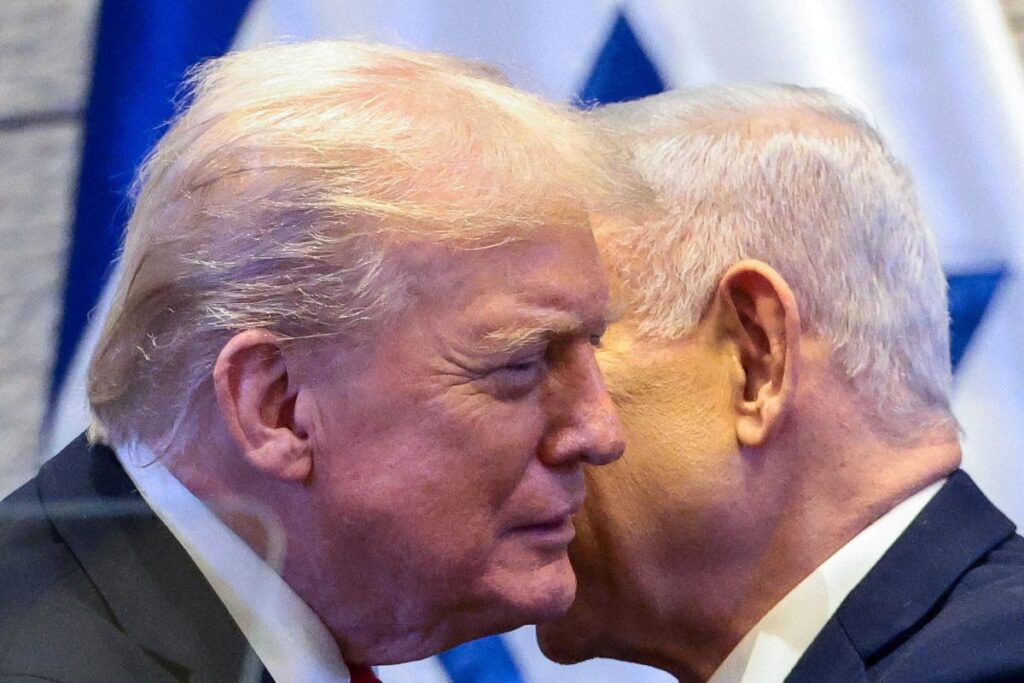
Reuters reports that Benjamin Netanyahu convinced Donald Trump to approve a potential attack on Iran, citing intelligence on Iranian leadership movements.
Intelligence on Iranian Leadership Meeting
Both Donald Trump and Benjamin Netanyahu were aware that Supreme Leader Ali Khamenei and his close associates were planning a meeting at his residence in Tehran on February 28th. Intelligence indicated the meeting was moved from nighttime to morning, according to three Reuters sources familiar with US-Israel discussions.
Netanyahu’s Argument for Action
Netanyahu reportedly argued that this presented an optimal opportunity to eliminate Khamenei and retaliate for previous Iranian attempts to assassinate Trump before the 2024 presidential election. During a previously undisclosed phone conversation, Trump agreed to the concept of an attack but hadn’t decided on timing or specifics.
Trump’s Public Statements on Iran
In early March, Trump told ABC News he had “taken out” the Iranian leader before Ayatollah Ali Khamenei could “take [him] out,” claiming he acted first after two alleged Iranian attempts.
The Catalyst for the Order
Reuters reports the conversation between the two leaders served as a catalyst, leading Trump to issue an order on February 27th. The following day, February 28th, at 1:15 AM EST, the US military initiated “Operation Epic Fury.”
Netanyahu Denies Israeli Influence
Netanyahu dismissed claims that Israel pressured the US into conflict with Iran, rhetorically questioning whether anyone believes they could tell President Trump what to do. He stated Trump “always makes decisions based on what he believes is good for America” and “future generations.”
White House Response and Trump’s Claim of Sole Decision-Making
White House spokesperson Anna Kelly declined to comment directly on the Trump-Netanyahu conversation, stating the attack aimed to deprive Iran of ballistic missiles and thwart its nuclear ambitions. Trump publicly asserted he made the decision to attack independently.
Analysis of Israeli Influence
Reports suggest Netanyahu effectively advocated for action, framing the decision – including the possibility of eliminating the Iranian leader allegedly overseeing plots against Trump – in a way that resonated with the President. However, reports do not indicate Netanyahu forced Trump into war.
Trump’s Postponement of Attacks
On March 23rd, Trump announced via Truth Social that he had instructed the Department of War to postpone attacks on Iranian power plants and energy infrastructure for five days, citing “good and productive” talks between the US and Iran regarding ending the conflict in the Middle East.
Iranian Response to Trump’s Announcement
Iran’s Fars News Agency, citing a source, reported no direct or indirect communication between Iran and the US. The source claimed Trump delayed the attacks due to fears of retaliation from Tehran targeting energy infrastructure across Western Asia, stating no negotiations were underway.