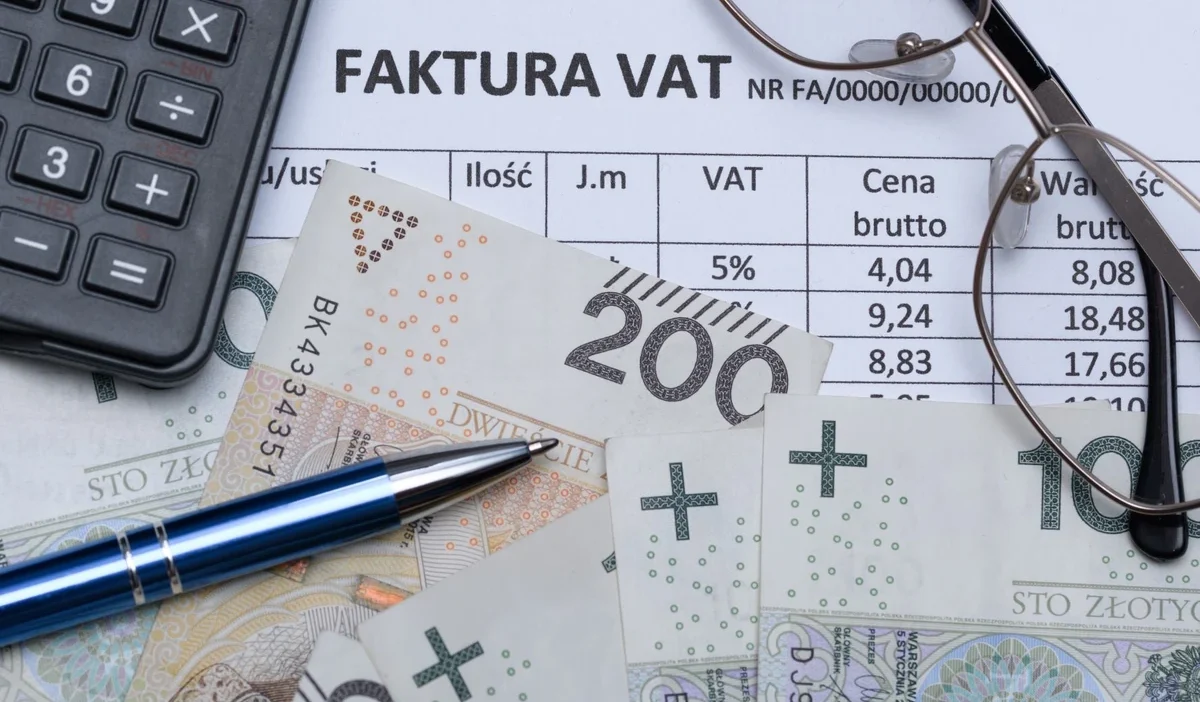
Polish company Y issued a paper corrective invoice on February 4, 2026, for a transactional discount given on December 2025 sales, raising questions about proper VAT and CIT accounting.
Transaction Background
Company Y, an active VAT taxpayer, granted a discount of 12,300 PLN gross (10,000 PLN net, VAT: 2,300 PLN) to company X on January 30, 2026. This discount applied to office furniture sold in December 2025, which had been documented with a paper invoice dated December 30, 2025.
The company had already accounted for the tax due on the December 2025 sale in JPK_V7M for that month, including the revenues in its 2025 financial statements.
Corrective Invoice Details
On February 4, 2026, company Y issued a paper corrective invoice documenting the transactional discount. The invoice was sent to company X by mail with return receipt confirmation, with receipt confirmed on February 24, 2026.
Company Y’s tax year is the calendar year, and it applies the general CIT rate of 19%. The company accounts for VAT and CIT advances on monthly periods under general principles.
Legal Relationship
There are no business connections between companies Y and X that would fall under the provisions of Article 32(2) of the VAT Act.
Accounting Question
The central issue is how company Y should properly account for the granted discount and the issued corrective invoice for both CIT and VAT purposes under the new rules effective February 1, 2026.