North Korea has showcased a new, high-powered rocket engine and weaponry, potentially capable of reaching the United States, raising concerns about its nuclear capabilities.
New Weaponry Demonstrated
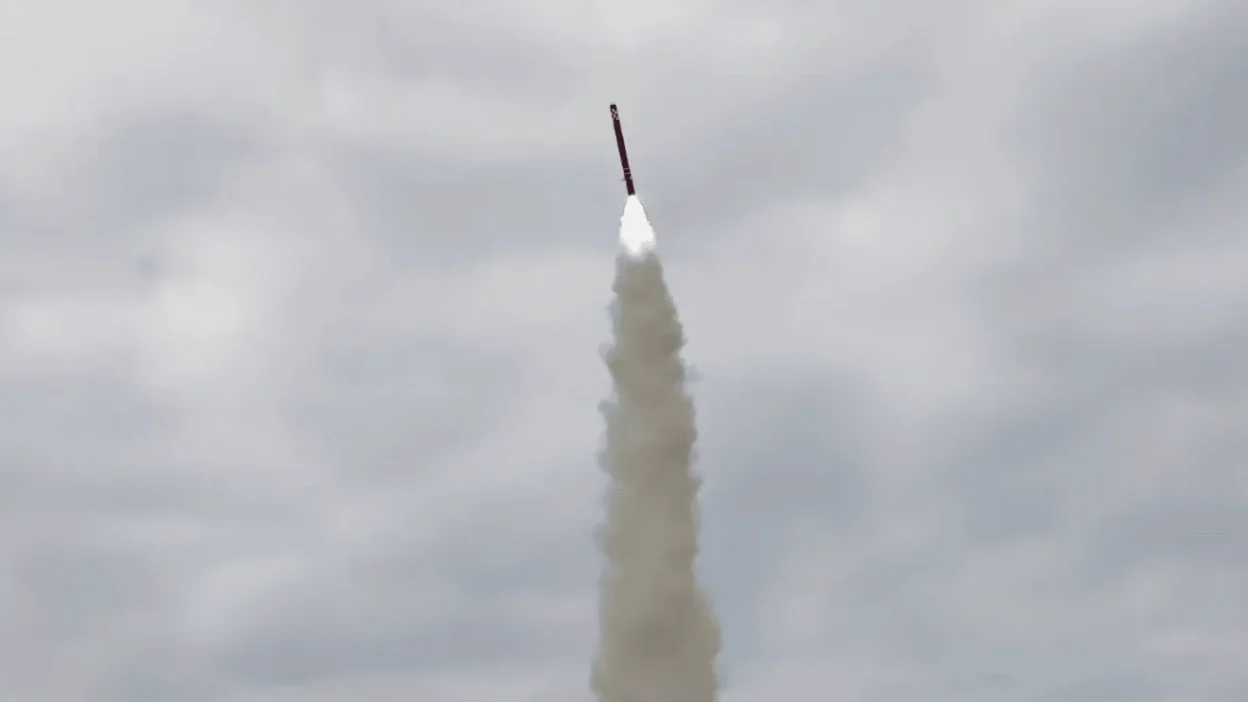
North Korea has conducted a series of military tests aimed at significantly increasing the country’s deterrent potential. The focus has been on a new, high-power rocket engine and new missile weapon systems.
According to the regime, a test conducted at the Academy of Defence Science confirmed “significant technological progress in rocket engine technology.” The new unit, made of carbon fiber composites, achieves a maximum thrust of approximately 2500 kilonewtons, a 26 percent increase compared to previous attempts in 2024.
Increased Range and Payload Capacity
The improved technical parameters directly translate to increased potential range and payload capacity. Analysts believe this could enable the launch of heavier payloads – including multiple nuclear warheads – over greater distances, potentially reaching the US.
Hwasong-20 and Multiple Warhead Technology
South Korean sources indicate the new engine will likely be used in the Hwasong-20 intercontinental ballistic missile, designed to carry multiple independent reentry vehicles (MIRV). This significantly complicates missile defense systems’ ability to intercept it.
Multiple warhead technology allows a single missile to deploy several independent warheads, striking multiple targets simultaneously, posing a substantial challenge to US and allied defense systems.
Solid Fuel Key for Rapid Strike Capability
North Korea has consistently developed solid-fuel rocket technologies in recent years. Unlike older liquid-fuel designs, these missiles can be prepared for launch much faster.
Liquid-fuel rockets require fueling immediately before launch, increasing the risk of detection. Solid-fuel missiles can be stored in a ready state for extended periods and launched almost instantly, significantly enhancing operational effectiveness.
Disputed Tests and Pyongyang’s Propaganda
In 2024, North Korean authorities announced a successful test of a multiple warhead missile. However, South Korean intelligence services questioned this claim, stating the test failed and the announcement was propaganda.
These differing assessments highlight the difficulty in verifying the actual technological advancement of North Korea’s missile program. Despite this, most analysts agree the country is systematically developing its strategic capabilities.
New Tank and Active Protection System
Alongside missile tests, a trial of an active protection system for a new main battle tank was also conducted. Authorities in Pyongyang claim the system can neutralize almost all modern anti-tank weapons.
Kim Jong Un stated the interceptor system operates effectively and meets all operational requirements, asserting the new design surpasses other tanks worldwide. Experts remain cautious, noting similar past claims were often propagandistic and lacked independent verification.
Five-Year Military Development Plan Accelerates Modernization
These tests align with a broader military modernization program, outlined in a five-year defense development plan. The strategy focuses on developing missile technologies, nuclear systems, and modern conventional weaponry.
Pyongyang has increased the pace of testing, including short-, medium-, and intercontinental ballistic missiles. These demonstrations serve both military and political purposes, exerting pressure on the US and regional countries in East Asia.