


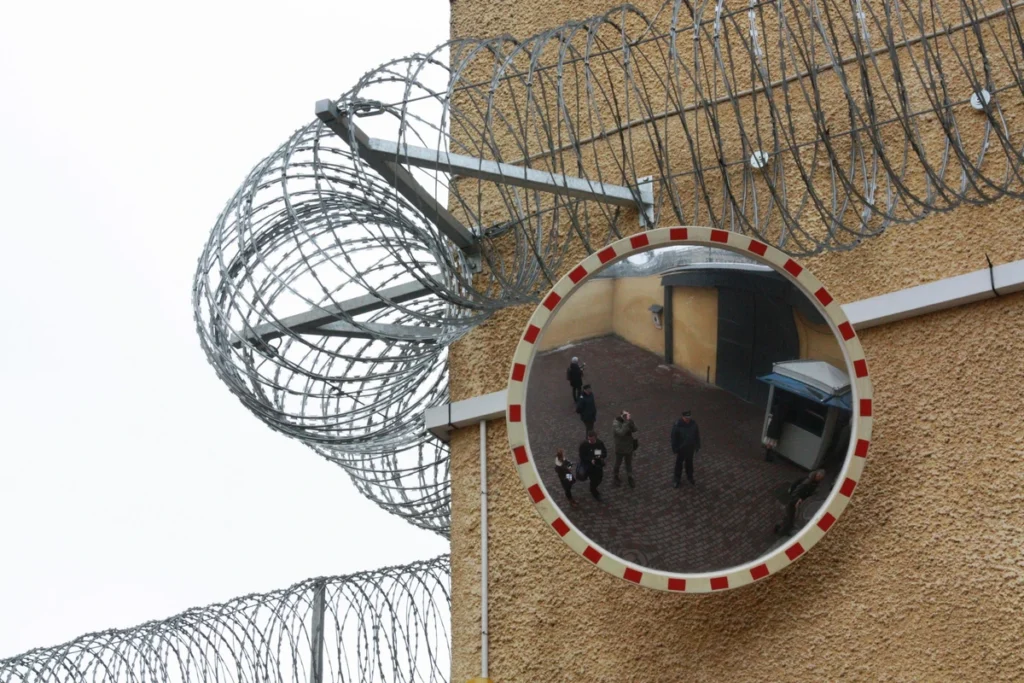
Officials’ accountability for errors faces challenges as automation and rigid procedures complicate corrective actions.
The Automation Dilemma
Automated systems increasingly handle official tasks, aiming to reduce human error. However, this shift complicates assigning clear responsibility when mistakes occur. The system itself may process inputs flawlessly, yet the underlying data or programming could be flawed.
Blaming a machine is insufficient; the human oversight behind its design and deployment must also be examined. Defining accountability becomes complex when errors stem from algorithmic or systemic factors rather than individual negligence.
Rigidity in Public Administration
Strict bureaucratic procedures often impede swift corrections of official errors. Processes designed for consistency and control can become inflexible, hindering timely responses to mistakes. This rigidity prioritizes process adherence over effective remediation.
Officials may fear repercussions for deviating from established protocols, even when necessary to fix errors. This institutional inertia creates a barrier to accountability, as correcting mistakes requires navigating cumbersome approval layers.
The tension between procedural rigidity and the need for adaptive error resolution remains a persistent challenge in public administration, impacting trust and efficiency.