Oil prices began to decline Friday as investors anticipate a potential easing of tensions in the Persian Gulf region.
Oil Prices Decline Amidst De-escalation Hopes
Oil prices started to fall, driven by investor belief in a possible de-escalation of the ongoing conflict.
U.S. oil prices are decreasing, with investors assessing potential losses for the energy sector in the Persian Gulf, hoping further attacks will be less severe.
Price Movements for Brent and WTI Crude
Initial price drops in oil have been observed. West Texas Intermediate (WTI) crude for May delivery is down 2% to $93.69 per barrel on the NYMEX in New York.
Brent crude for May delivery on ICE is down 1.2% to $107.39 per barrel. While Brent was on track for a nearly 5% weekly increase, WTI may fall by around 4%, marking its first weekly decline in five weeks.
Analyst Commentary on “War Premium” Reduction
Priyanka Sachdeva, Senior Market Analyst at Phillip Nova, stated that both benchmark prices shed some of their “war premium” Friday morning as global leaders signaled a need for restraint and de-escalation.
She added that markets will remain sensitive to the critical flashpoint in the Strait of Hormuz.
Potential for Price Spikes and Logistical Challenges
Sachdeva cautioned, “Damage has been done, and even if a safe passage for tankers through the Ormuz Strait is negotiated, restoring full logistics could take a very long time. Until then, any direct hit on export infrastructure or tanker routes could sharply raise prices.”
U.S. Intervention and Regional Attacks
U.S. President Donald Trump stated he urged Israeli Prime Minister Benjamin Netanyahu to refrain from further attacks on Iranian energy infrastructure.
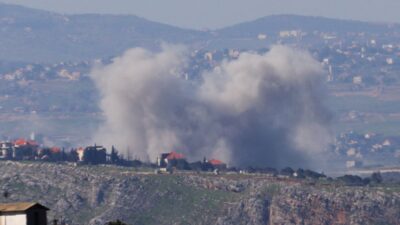
Kuwait reported a fresh attack by Iranian drones on its Mina Al-Ahmadi refinery, resulting in fires. Bahrain also reported extinguishing a fire at a company warehouse following Iranian attacks.
The Israeli military struck government infrastructure in Tehran overnight, while Gulf states intercepted numerous drones and missiles launched from Iran.
Saudi Arabia’s Price Forecast and Iranian Production
The Wall Street Journal, citing sources in Riyadh, reported that Saudi Arabia, a major oil producer, expects prices to exceed $180 per barrel if supply disruptions persist through April.
The Islamic Revolutionary Guard Corps (IRGC) affirmed Friday that missile and rocket production continues despite the conflict, and Iran does not lack reserves.
International Security Efforts and Potential Sanction Relief
Six nations – France, the United Kingdom, Germany, Italy, the Netherlands, and Japan – announced Thursday their readiness to contribute to security in the Strait of Hormuz.
U.S. Treasury Secretary Scott Bessent announced Thursday on Fox Business that the Trump administration is considering lifting sanctions on approximately 140 million barrels of Iranian oil currently held on tankers.