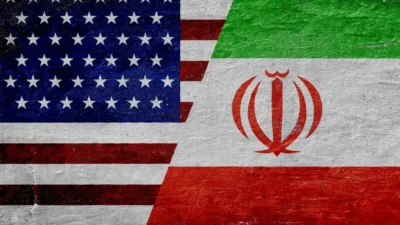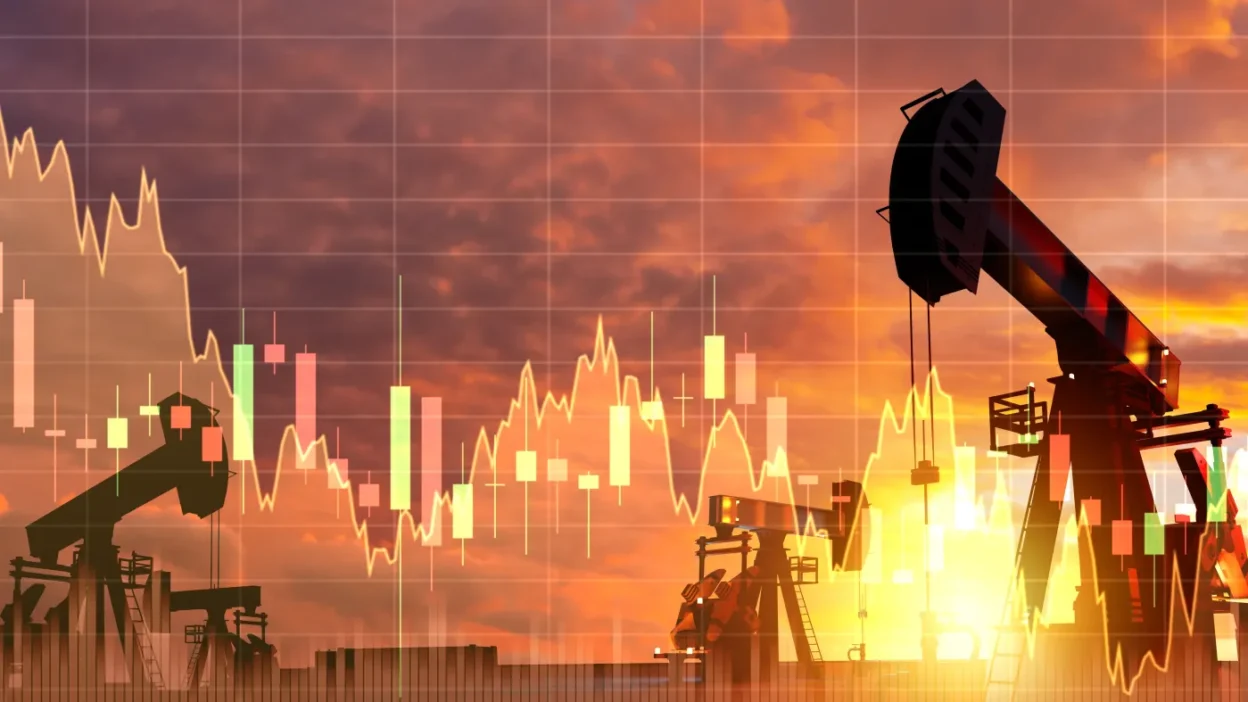
Oil prices are fluctuating as investors assess OPEC+’s modest production increase alongside growing tensions in the Middle East involving the US, Israel, and Iran.
Current Oil Market Situation
Oil prices are under pressure as OPEC+ increases production while conflict escalates. Monday’s trading saw volatile oil prices as investors analyzed the OPEC+ decision to slightly increase output and monitored the intensifying situation in the Middle East, where a conflict involving the US, Israel, and Iran has entered its second week.
Crude Oil Prices
West Texas Intermediate crude oil for May delivery is currently trading at $111.33 per barrel on the NYMEX in New York, down 0.19 percent.
Brent crude on ICE for June is priced at $109.80 per barrel, up $0.71.
OPEC+ Production Increase
Investors are evaluating the recent actions of the OPEC+ alliance, which decided on a symbolic increase in oil supplies in May. The group agreed on Sunday to raise its production limits by 206,000 barrels per day in May, a moderate increase that analysts believe will largely exist on paper due to key members’ inability to boost production amid the US-Israel-Iran conflict.
Strait of Hormuz and Oil Supply
The 206,000 barrel per day increase from OPEC+ represents less than 2 percent of supply disrupted by the closure of the Strait of Hormuz, but signals a willingness to increase production once the waterway reopens, according to OPEC+ sources.
The US-Israel-Iran conflict has effectively closed the Strait of Hormuz – the world’s most important oil route – since the end of February, limiting exports from OPEC+ members Saudi Arabia, the UAE, Kuwait, and Iraq – the only countries in the group able to significantly increase production before the conflict began.
Other group members, such as Russia, are unable to increase production due to Western sanctions and infrastructure damage from the war in Ukraine.
US-Iran Tensions and Oil Market Forecasts
On Sunday, US President Donald Trump threatened in the Wall Street Journal that Iran would lose all its power plants and bridges if it did not reopen the Strait of Hormuz by Tuesday evening.
Trump had previously stated on Saturday that he was giving Iran until Monday evening. He warned, “If they don’t show and want to keep [the strait] closed, they’ll lose every power plant and every other facility in the country.” He added that the end of the war with Iran would be announced “soon,” predicting that rebuilding the country would take 20 years, “if they have a country.”
Trump later posted on Truth Social, apparently rescheduling the ultimatum to “Tuesday, 8 PM Eastern!” (2 AM Wednesday in Poland).
Iran’s Response and Potential Ceasefire Talks
Esmail Bagei, a spokesperson for Iran’s Foreign Ministry, stated on Sunday that Tehran would respond to attacks on Iranian infrastructure with attacks on similar infrastructure owned by or associated with the United States.
Meanwhile, Axios reported that the US, Iran, and regional mediators are holding talks on a 45-day ceasefire to prevent escalation of the war. The talks, involving Pakistan, Egypt, and Turkey, represent a last-ditch effort to reach an agreement before Trump’s ultimatum expires.
The proposed agreement consists of two phases: a 45-day truce, with the possibility of extension, during which the terms of a lasting peace would be negotiated, followed by a final agreement ending the war.
Analyst Commentary
“On the face of it, the war in the Middle East has entered another phase of violent escalation, which could be +bullish+ for oil prices,” said Vandana Hari, founder of Vanda Insights.
“However, investor expectations for a large and rapid correction in oil prices if the conflict in the Middle East is resolved are causing fluctuations in oil prices,” she added.