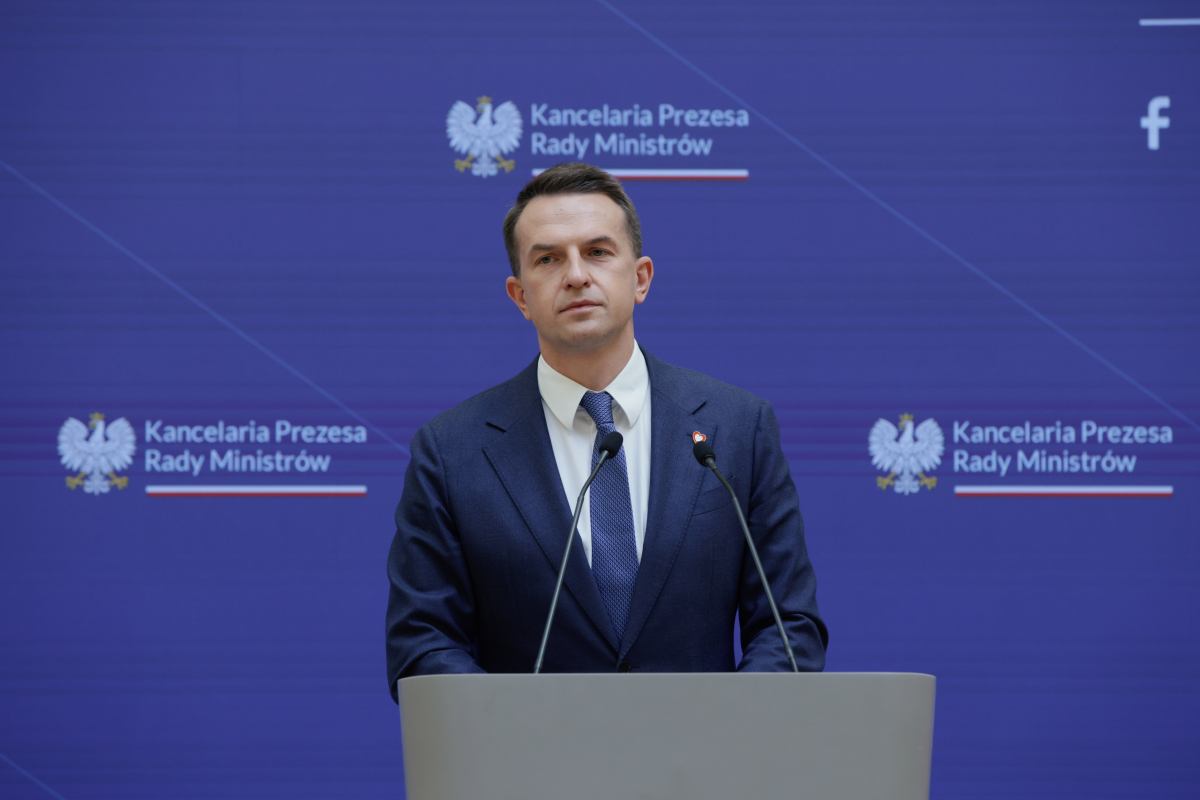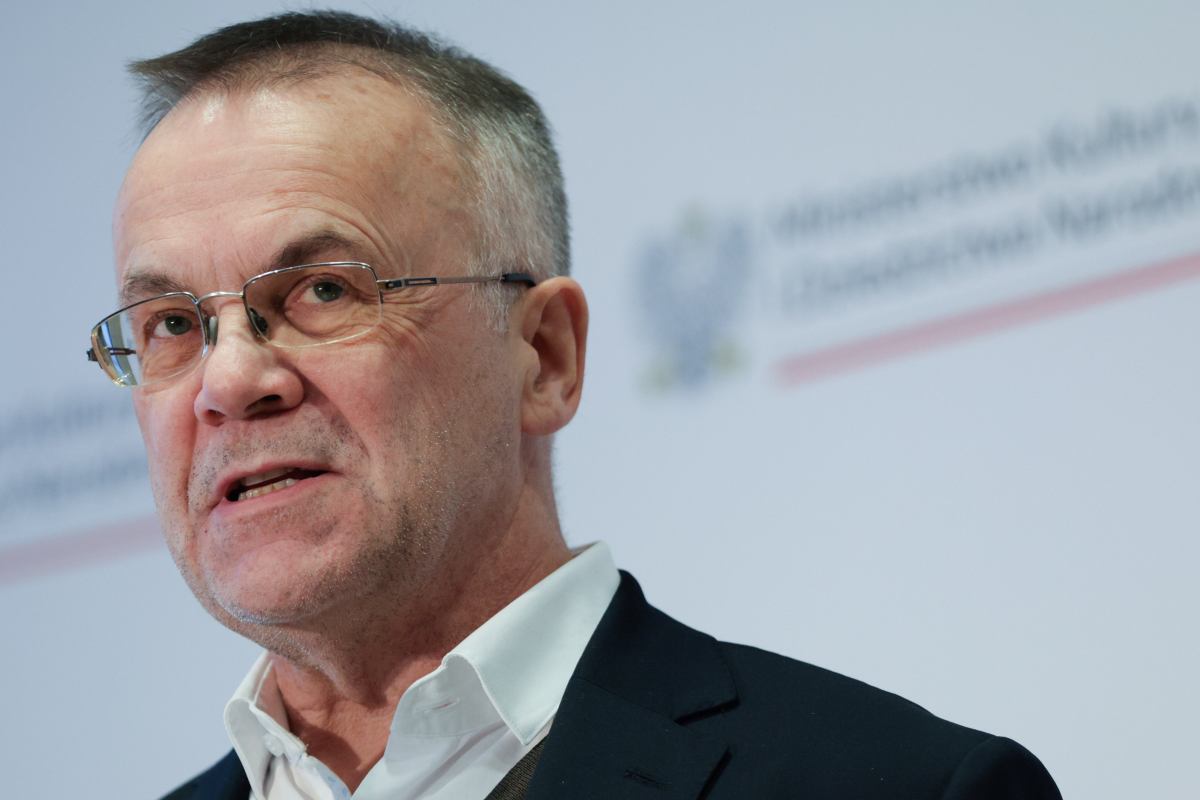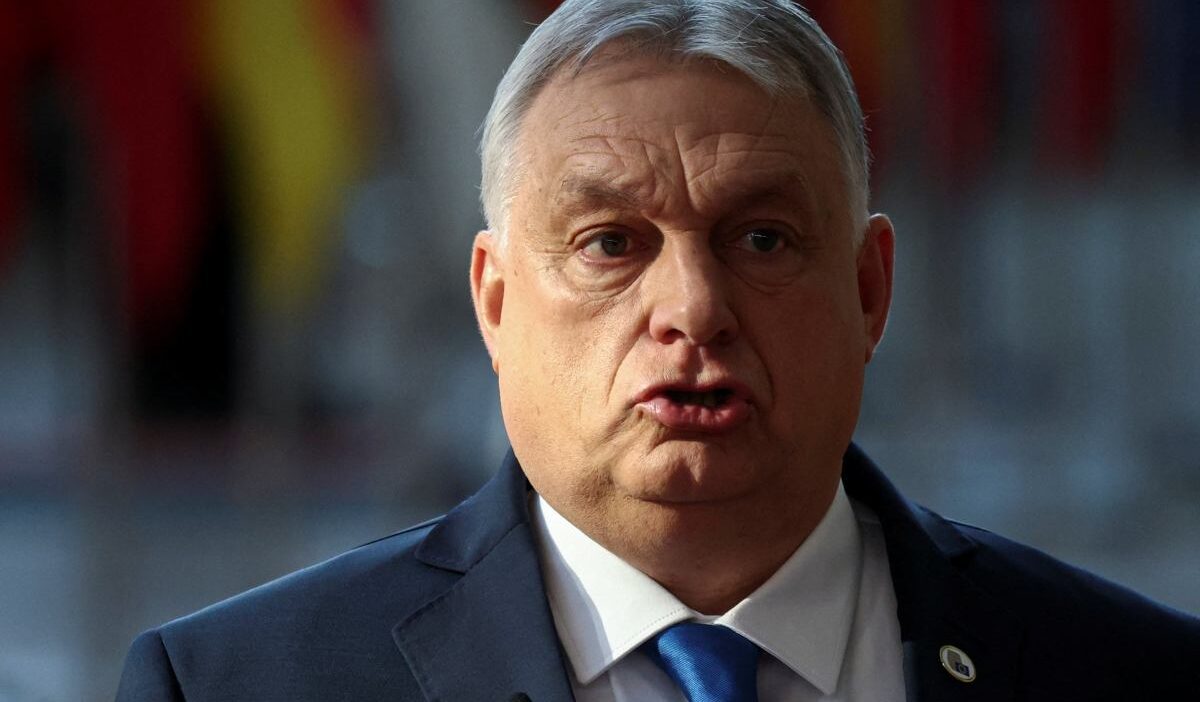
Hungarian Prime Minister Viktor Orbán sent a letter to Karol Nawrocki on March 19th, endorsing his stance on reforming the EU’s Emissions Trading System (ETS).
Orbán Cites Deindustrialization Concerns
Orbán argued that deindustrialization forces European consumers to purchase products from outside Europe, failing to create local jobs or stimulate economic growth. He stated high energy prices justify urgent intervention and called for a “fundamental overhaul” of the ETS.
Orbán Advocates for ETS Changes and Potential Abolition of ETS2
Viktor Orbán supports measures including a price cap or range for emission allowances, combating speculative financial practices, and expanding free emission allowances for industry. He appealed for the complete abolition of ETS2 or, at minimum, its postponement until 2030 for a comprehensive review.
Orbán expressed willingness to collaborate with Poland to protect citizens from the “negative consequences of deindustrialization and declining EU competitiveness.”
Nawrocki Urges Tusk to Protect Poles from Climate Policy Impacts
On Tuesday, Karol Nawrocki wrote to Prime Minister Donald Tusk, requesting the government adopt a position fully safeguarding Poles from further consequences of climate policy. He believes abandoning the ETS system is the most rational solution.
Assessment of the ETS System After 20 Years
Nawrocki noted that 20 years have passed since the ETS’s introduction, a sufficient period for a “harsh and uncompromising assessment” of its effectiveness. He also advocates for completely abandoning the implementation of ETS2.
Tusk Pledges Polish Solutions in EU ETS Negotiations
Donald Tusk assured that Poland will seek “specifically Polish solutions” regarding the ETS during EU negotiations, acknowledging its negative impact on energy prices. He criticized opposition parties for proposing unrealistic solutions and advocating for leaving European agreements, including the ETS.
EU Summit Addresses Energy Prices and ETS Reform
During the EU summit in Brussels, leaders discussed rising energy prices and ETS reform. Tusk announced that the Council of Europe’s conclusions included a provision placing Poland in a group eligible for assistance utilizing CO2 emission allowance reserves.
The released emission allowances will be converted into financial aid for less affluent countries, as the ETS poses a significant burden on their energy prices. A forthcoming release of allowances by the European Commission is expected to lower allowance prices and subsequently energy costs.
Understanding the Emissions Trading System (ETS)
The ETS is a system for trading CO2 emission allowances, currently covering the energy sector. Introduced by the European Union, it aims to reduce greenhouse gas emissions by assigning a price to them. ETS2, scheduled to take effect in 2028, will extend emission rights to include transport and construction.