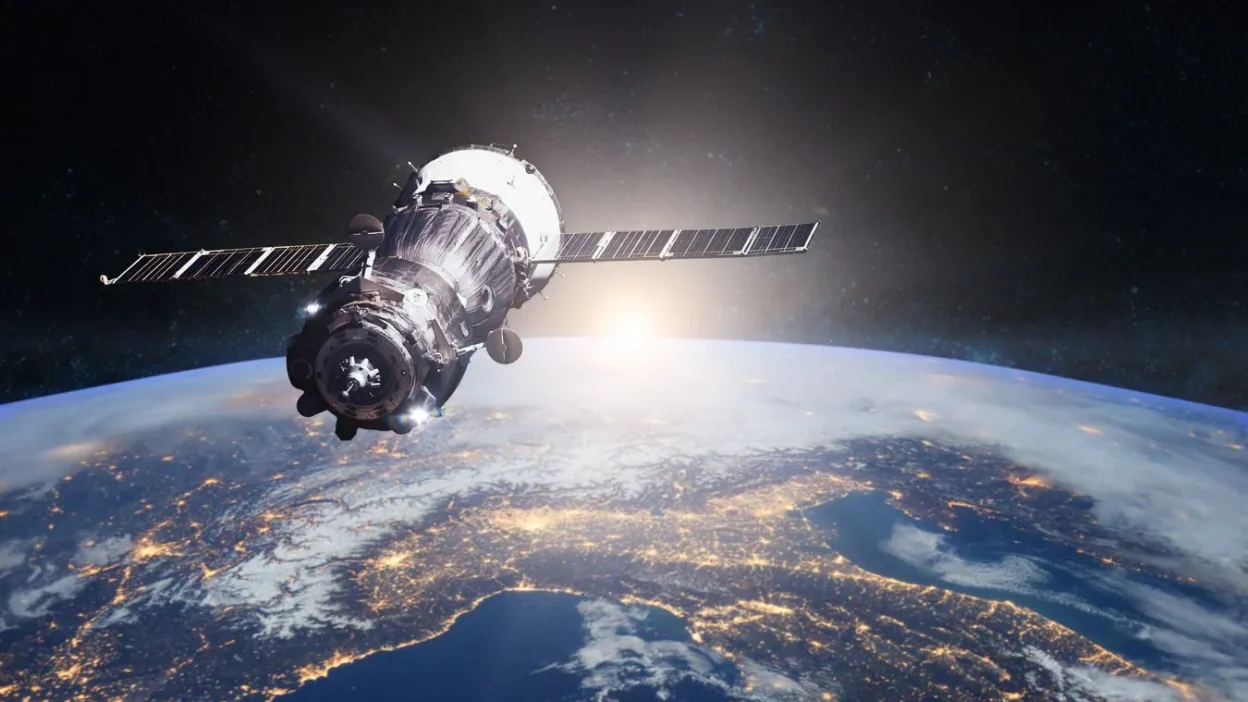
NASA’s Orion spacecraft successfully executed a Translunar Injection maneuver on the second day of the Artemis II mission, carrying a four-person crew towards the Moon.
Orion’s Historic Journey
The Orion spacecraft has left Earth orbit for the first time in 50 years with a crew on board. This occurred approximately 25 hours after launch as part of the Artemis II mission, confirmed by NASA.
The Translunar Injection (TLI) maneuver involved firing the spacecraft’s engines, accelerating it to 38,000 kilometers per hour, and placing it on a trajectory towards the Moon.
Historical Significance
NASA representative Lori Glaze emphasized the historical importance of this stage of the flight, noting it’s the first time humans have left Earth orbit since the Apollo 17 mission in 1972.
Engine ignition, a critical component of the mission, proceeded flawlessly, according to Glaze.
Crew Observations and Communication
Following the trajectory change, the crew began observing the receding Earth. Canadian astronaut Jeremy Hansen communicated via radio, stating, “Humanity has once again shown what we are capable of, and it is your hopes for the future that carry us now on this journey around the Moon.”
System Status and Minor Issues
Despite some minor technical issues on the first day, including a temporary communication interruption and a toilet malfunction, all spacecraft systems, including life support, are functioning as expected, and the crew is reported to be in good condition, confirmed by NASA Flight Director Judd Frieling.
Artemis II Mission Details
Artemis II is the first crewed mission to the Moon in half a century, serving as a precursor to establishing a permanent lunar base.
The crew consists of Commander Reid Wiseman, Pilot Victor Glover, Christina Koch, and Jeremy Hansen.
Lunar Approach and Record-Breaking Distance
On the sixth day of the ten-day mission, the spacecraft will approach the Moon at a distance of approximately 6,400 to 9,600 kilometers. The astronauts will spend much of the day taking photographs and videos of the Moon and recording observations before returning to Earth.
Orion is expected to travel 219,639 nautical miles (over 406,771 km) from Earth, surpassing the record of 216,000 nautical miles set by the Apollo 13 mission.