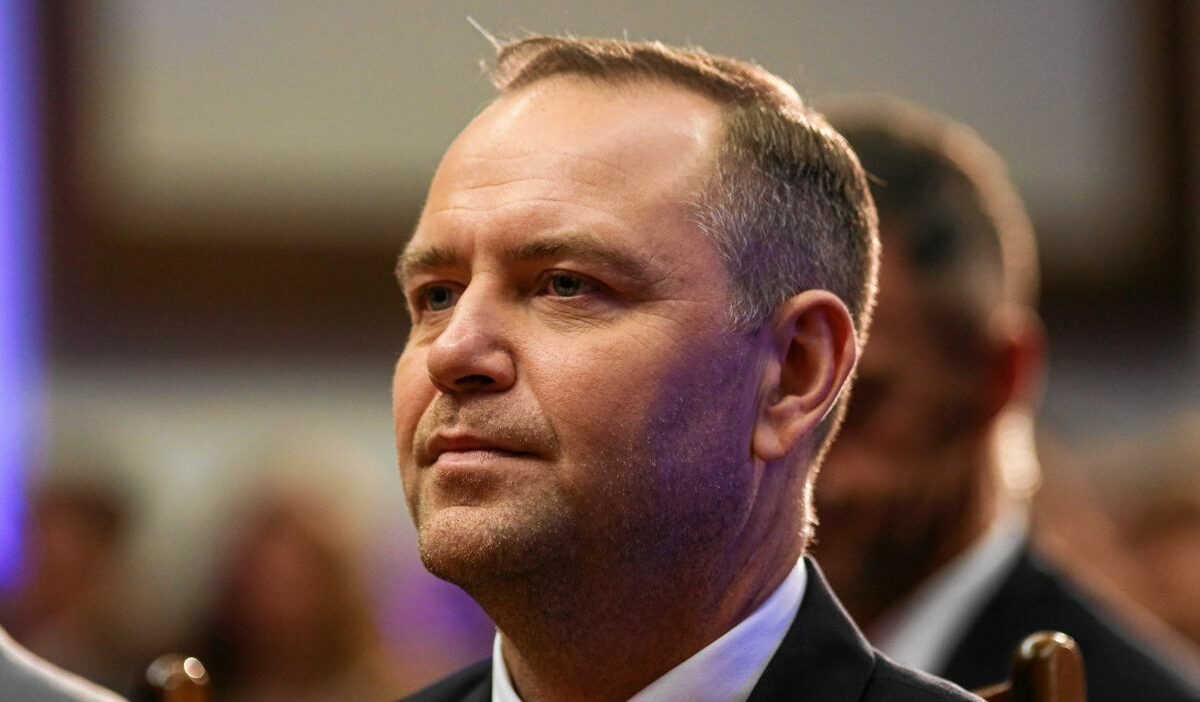
Polish MPs voted 243‑to‑192 to uphold President Karol Nawrocki’s veto on a crypto‑asset market law on March 29, sharpening partisan rifts across the country.
Coalition unable to reject president’s veto
The Sejm required a 3/5 majority—243 votes—to reject President Nawrocki’s veto on the crypto‑asset market bill. The vote fell short, with 192 MPs opposed and no abstentions. As a result, the veto remained in force, marking another setback for the ruling coalition.
Opposition and social media erupt with criticism
Online comments quickly focused on the vote’s outcome, with critics arguing that the ruling coalition failed to protect Polish investors and national security. The debate intensified on social media and comment sections across the internet.
PiS defends minister, blames “foreign interests”
Sports and Tourism Minister Jakub Rutnicki claimed that PiS supporters backed the president’s veto to safeguard the financial security of Polish cryptocurrency investors. PiS MP Adam Szłapka denounced the measure as serving “foreign interests.”
Political leaders highlight Russian motives
Right‑wing politician Roman Giertych noted that the veto benefits Russian interests, a sentiment echoed by several PiS and opposition members. Their comments framed the law’s blockage as a strategic move to hinder Russian interference.
Special services and business community express concerns
Security officials and economic specialists warned that the lack of regulation could allow foreign intelligence services to operate freely through crypto channels, potentially financing destabilising activities. They called the government’s stance “protective” against such threats.
Poor performance of Donald Tusk highlighted
PiS MPs accused former Prime Minister Donald Tusk of failing to persuade the Sejm to reject the veto, labeling it a political humiliation. They claimed that Minister Zbigniew Bogucki’s speech exposed the president’s inability to manage the debate and the vote effectively.
Government’s stance on crypto regulation
President Nawrocki cited concerns about excessive powers granted to the Financial Supervisory Commission’s officials, arguing that the bill could facilitate convenient account closures and threaten economic freedom. He maintained that tighter regulation was necessary to counter potential foreign interference.