A major split in Poland 2050 party creates a new parliamentary club, Centrum, significantly weakening the party’s influence in the ruling coalition.
Poland 2050 Faces Its Most Serious Crisis
Poland 2050 is experiencing its most serious crisis since its formation as eighteen members have left to establish the new Centrum parliamentary club.
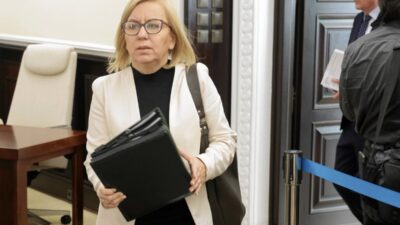
Paulina Hennig-Kłoska, a key figure and current Minister of Climate and Environment, leads the new club.
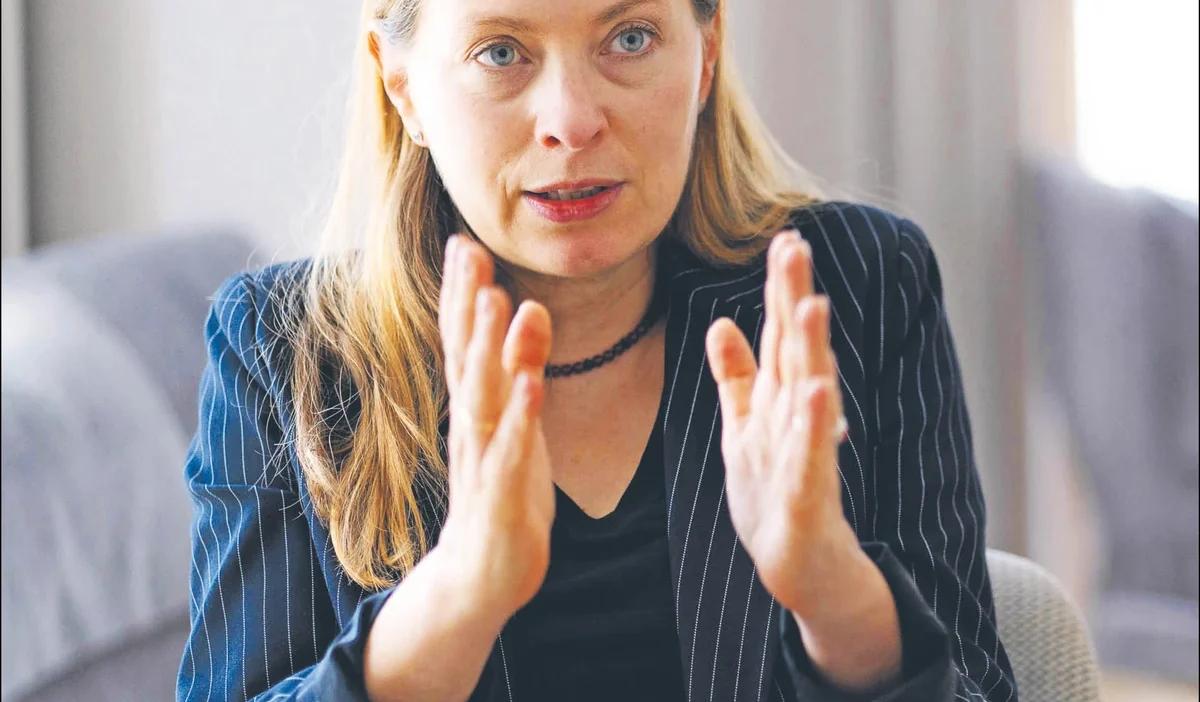
The split resulted from long-standing conflicts intensifying after Katarzyna Pełczyńska-Nałęcz became party leader, with some parliamentarians rejecting her leadership vision.
Political Repercussions and Government Stability
Pełczyńska-Nałęcz, previously considered a potential Deputy Prime Minister, has seen her position significantly weakened by the split.
Ruling coalition politicians have signaled no plans to appoint a new Deputy Prime Minister from Poland 2050, indicating the internal crisis has curtailed political ambitions for government expansion.
Despite the split, the ruling coalition emphasizes no threat to government stability, with the Civic Coalition, Left, and PSL confirming the situation is internal and doesn’t require coalition agreement changes.
Centrum Club Maintains Coalition Support
The new Centrum club, with eighteen members, means Poland 2050 no longer functions as a unified parliamentary force, having lost significant political backing.
Importantly, the new Centrum club does not plan to join the opposition, meaning politicians from Poland 2050 remain part of the broad ruling camp.
This arrangement maintains the parliamentary majority necessary for passing laws and implementing Donald Tusk’s government program.
Historical Context and Future Implications
The October 15 Coalition formed after 2023 parliamentary elections, with Poland 2050 as a key element of the Third Way coalition’s centrist wing.
The formation of the Centrum club represents an attempt to create a new political identity within the ruling camp.
Hennig-Kłoska’s actions may be seen as an effort to rebuild influence through this new political structure, representing those who disagreed with Poland 2050’s new leadership direction.