Polish households face winter crisis as pellet supplies dwindle, forcing stores to implement purchase restrictions and waiting lists amid soaring prices.
Pellet Disappearing. Warehouses Introduce Limits and Queue Lists
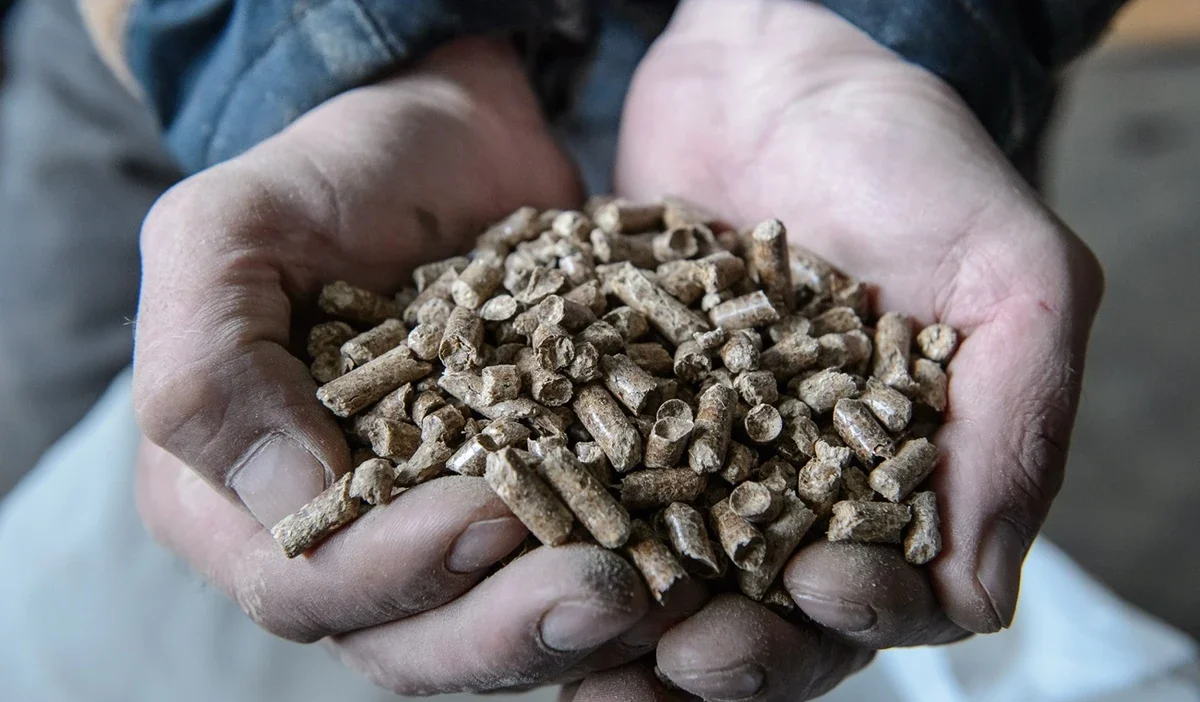
Phones at fuel warehouses are ringing nonstop. Customers no longer ask about promotions, only if anything can be bought “right now.” In many regions of Poland, the answer is the same: no pellet is available, and if it appears, it is rationed. Sellers say that a one-time allocation is about 10-15 bags per customer. Buying entire pallets is now rare, and sellers are creating long waiting lists for next deliveries.
The situation in building material stores is similar. Pellet is not available in stationary or online sales, and if it returns to the offer, it disappears within hours. For many families, this means counting bags in the boiler room every day and nervously checking weather forecasts.
Pellet at 30 zł per Bag and Sales Limits. Fear Has Entered the Boiler Room
Just a few months ago, pellet was considered a reasonable alternative. Today, the bill looks completely different.
In retail sales, this means 30-33 zł for a 15 kg bag, and with cold weather, consumption increases exponentially. In unheated houses, heating costs exceed 90-100 zł per day, which becomes a drama for retirees and families with fixed incomes.
How Long Do You Have to Wait for Pellet Today? Deadlines Are Becoming Increasingly Absurd
The problem is not just the price. Waiting time for delivery is now one of the most common topics of conversation among biomass boiler users. In central Poland, you have to wait about 2-3 weeks for delivery, in Pomerania and Silesia, deliveries are scheduled for March or even April, and in smaller towns, there is often no guarantee of delivery time.
Sellers admit they cannot guarantee continuous supplies, as they are waiting for raw materials themselves. And when goods arrive, it must be divided among dozens of customers so that no one is left without heating.
Why Is There a Pellet Shortage? Several Factors Combined at Once
The pellet market did not collapse for one reason. It is the effect of several crises that met at the same time. The main reasons are: To this are added restrictions in obtaining wood and the fact that sawmills themselves burn sawdust instead of selling it to pellet producers.
Pellet Like Heat Pumps. It Was Supposed to Be Cheap, Winter Said “Testing”
This story sounds familiar. Recently, there was a lot of talk about horrifying bills from heat pump owners who, in extreme frosts, saw on invoices amounts that did not match previous calculations. Now pellet users are experiencing a similar shock. In both cases, the scheme is the same: calculations were made for an “average winter,” and thus energy or fuel consumption was simply underestimated. Few people thought about reserves for extreme conditions.
This is why more and more people today talk about feeling misled, especially when investments were supported by subsidy programs.
What Do People Do When Pellet Runs Out? Risky Ideas and Makeshifts
Posts appear online about burning anything that comes to hand: grain, wooden waste, and even pellet of unknown origin. Experts warn – this is a quick path to boiler damage, loss of warranty, and safety problems. More and more people also admit that they heat their homes with electricity despite high rates or limit heating to a minimum.
Will Pellet Prices Fall? The Industry Is Cooling Optimism
Sellers and producers have no good news. Even if the frosts recede, the market will rebuild stocks for many weeks. Real price reductions are only possible in the spring – provided there are no further raw material disruptions. The conclusion is clear: this winter has verified the way of thinking about cheap heating. More and more people are saying today – without reserves and a safety margin, even the most “cost-effective” technology can turn out to be a trap.