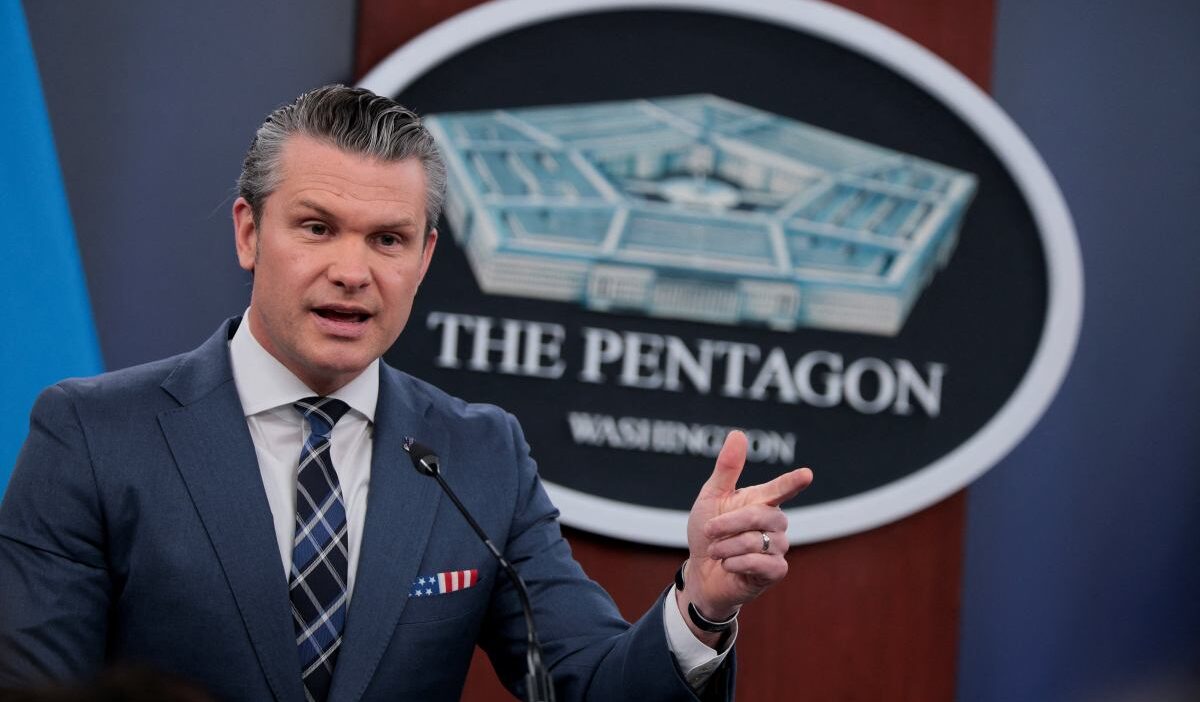
The Pentagon plans to withhold key strategic documents from allies, raising concerns within NATO and the U.S. Congress about transparency and predictability.
Pentagon’s “Global Posture Review” to Remain Classified
Conclusions from the Pentagon’s “Global Posture Review” stem from military planning analyses conducted at the start of each U.S. presidential term. The document was last published in November 2021, during the Biden administration. Keeping the latest review classified would be the first such instance in decades.
U.S. Shift to Informal Communication
According to Politico, U.S. officials intend to focus on informal discussions with allies. Sources indicate the Trump administration believes sufficient information regarding U.S. security priorities is already public in previously released strategic documents.
NATO and Congressional Concerns
Politico reports that representatives from NATO and some members of Congress fear the consequences of not publishing the “Global Posture Review.” They argue allies will lack the data needed to understand U.S. plans and anticipate U.S. actions.
Congressional Criticism of Secrecy
Republican Jim Banks, a former Navy officer and member of the Senate Armed Services Committee, stated that withholding the “Global Posture Review” would hinder the work of those involved in security matters. Senator Jack Reed, a Democrat on the same committee, suggested the lack of publication would indicate the Trump administration “has no plan.”
French General Highlights U.S. Unpredictability
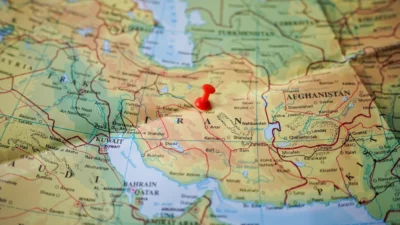
Allies have previously expressed concerns about the U.S. failing to share crucial information. Recently, French Chief of Staff of the Armed Forces General Fabien Mandon raised this issue in the context of potential conflict in Iran.
Mandon stated that the U.S. ally “remains an ally, but is becoming less predictable and does not bother to inform us when it decides to launch military operations,” impacting both security and interests.
He noted the U.S. decided to intervene in the Middle East without informing France, which was “surprised” by the action, and that “Europe is no longer a priority” for the United States.