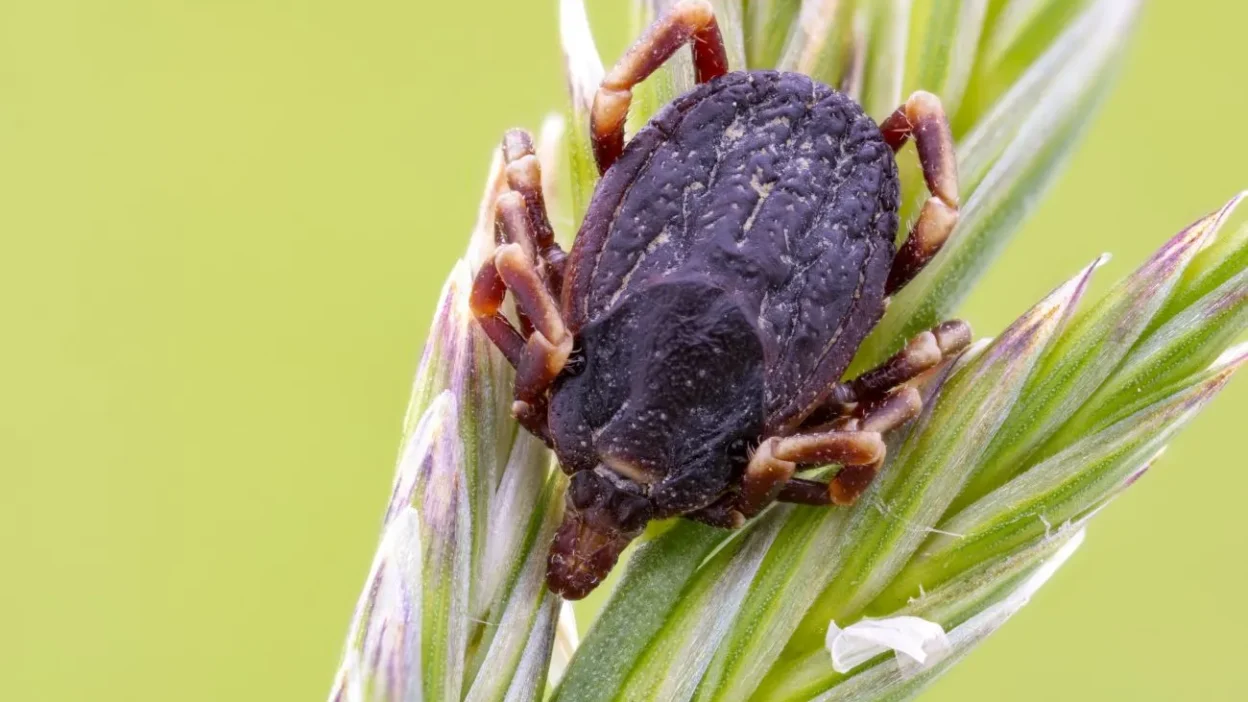
A new Lyme disease vaccine developed by Pfizer and Valneva has demonstrated significant efficacy in late-stage clinical trials, potentially paving the way for regulatory approval.
Lyme Disease Vaccine Achieves High Efficacy
A candidate for the first Lyme disease vaccine in decades has achieved substantial effectiveness in advanced clinical trials. The vaccine, developed by Pfizer in collaboration with French firm Valneva, could soon be submitted for regulatory review, bringing its potential approval closer.
In the third phase of clinical trials, the vaccine, designated PF-07307405, demonstrated 73.2% efficacy in preventing confirmed cases of Lyme disease. Analysis was conducted from 28 days after the administration of the fourth dose. This result exceeds the minimum regulatory requirements, which stipulate at least a 20% reduction in the risk of infection.
Trial Participants and Scope
The study involved approximately 9,400 healthy individuals from regions particularly susceptible to infection – including Europe, Canada, and the United States. Participants were aged five years and older, indicating a potentially broad application for the vaccine.
Initial Data and Clinical Significance
An initial analysis of the data did not meet formal efficacy criteria, with the lower confidence interval at 15.8%. However, a subsequent, more in-depth analysis revealed a value of 21.7%, achieving clinical significance.
Lyme Disease: Symptoms and Prevalence
Lyme disease, also known as Borreliosis, is a bacterial infection transmitted by ticks. Common symptoms include fever, headache, chronic fatigue, and a characteristic migrating erythema rash. Untreated, it can lead to serious neurological, cardiological, and joint complications.
According to data from the European Centre for Disease Prevention and Control (ECDC), hundreds of thousands of Lyme disease cases are diagnosed annually in Europe. In Poland, the number of cases exceeds 20,000 per year, and experts believe the actual scale may be even greater due to underreporting.
In the United States, the Centers for Disease Control and Prevention (CDC) reports approximately 476,000 infections requiring treatment each year. The growing tick population, linked to climate change, increases the risk of exposure even in previously less-threatened regions.
Vaccine Safety and Research Progress
Data from the manufacturers indicates the vaccine was well-tolerated by study participants. No significant safety signals were identified that could impact further development.
The clinical research program included two large Phase 3 trials, making PF-07307405 the most advanced Lyme disease vaccine project globally. The vaccine is based on recombinant surface protein technology of the Borrelia bacteria, allowing for an immunological response without the risk of infection.
The previous Lyme disease vaccine – LYMErix – was withdrawn from the market in 2002 due to low interest and safety concerns. No approved vaccine for humans has been developed since.
Regulatory Submission Planned
Pfizer and Valneva have announced the commencement of procedures to obtain approval for the vaccine’s market introduction. Documentation will be submitted to the relevant regulatory authorities shortly.
Annaliesa Anderson, responsible for vaccine development at Pfizer, emphasized that Lyme disease remains a serious health problem impacting patients’ health, daily functioning, and ability to work.
“Lyme disease can lead to long-term health consequences that significantly burden patients and their families,” she noted.
Expert Perspectives and Future Strategies
Experts suggest that potential approval of the vaccine could significantly alter the strategy for combating the disease, which currently relies primarily on prevention (avoiding tick bites) and antibiotic therapy after infection.
Rising Tick Threat and Importance of Prevention
Climate change, milder winters, and an extended tick activity season are contributing to an increase in Lyme disease infections in many European countries. Infections are increasingly occurring in cities, parks, and gardens, not just forests.
Specialists emphasize that despite progress on the vaccine, preventative measures remain crucial: using repellents, wearing protective clothing, and promptly removing ticks after contact.
However, the introduction of an effective vaccine could substantially reduce the number of infections and lessen the burden on healthcare systems, particularly in countries with high Lyme disease incidence.