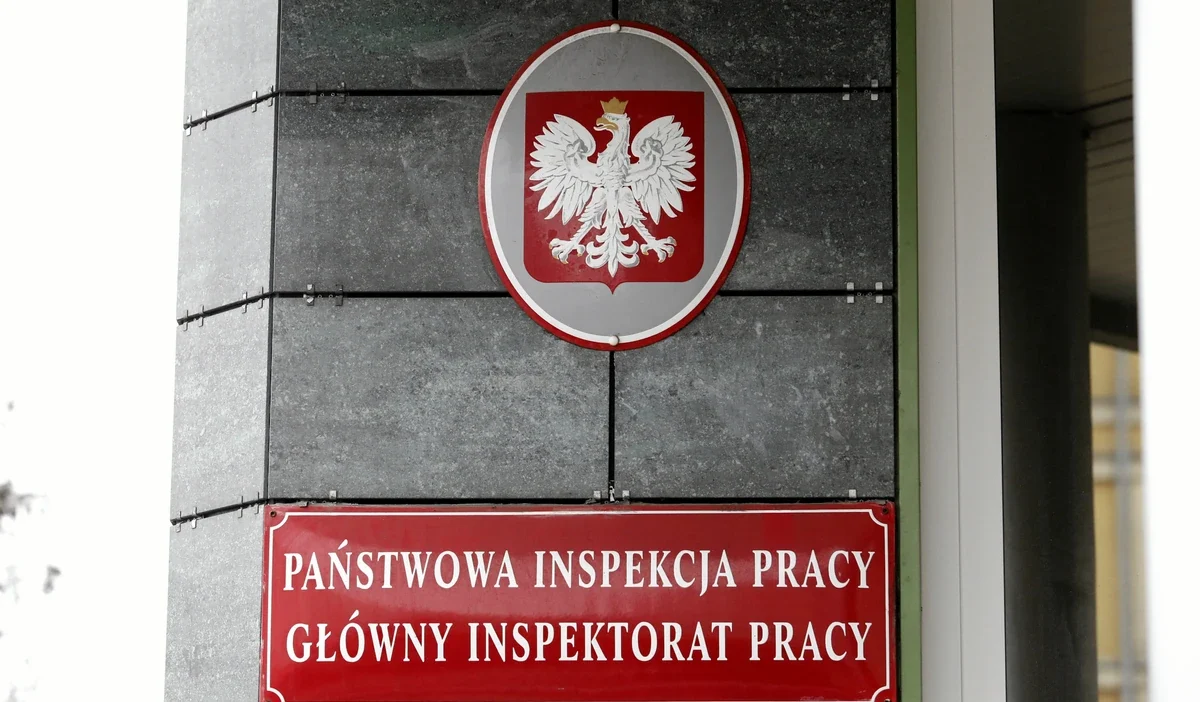
Poland’s revised State Labour Inspectorate reform, approved by the EU, aims to protect workers while ensuring legal certainty for employers amid KPO funding requirements.
Key Milestone for Recovery Funds
Empowering the State Labour Inspectorate (PIP) to convert civil law contracts into employment contracts constitutes a critical milestone. Poland’s access to Krajowy Plan Odbudowy (KPO) funding depends on this reform’s implementation, with a deadline of 30 June 2026 to comply with the EU directive.
Government Revises Draft After Initial Rejection
Prime Minister Donald Tusk previously rejected the initial labor ministry draft, citing concerns that excessive power for officials would harm businesses and cause job losses. The revised amendment to the PIP Act and related laws was published last week on the Government Legislation Centre website.
Legal Framework and Implementation Timeline
Minister Katarzyna Pełczyńska-Nałęcz confirmed the new version meets KPO requirements, balancing worker protection with employer legal security against unjustified official decisions. The draft faces discussion in the Council of Ministers’ Standing Committee, with funding transfers contingent on approval.
Worker Protections and Employer Safeguards
The reform maintains PIP’s authority to convert contracts. Regional inspectors may issue decisions confirming employment relationships or initiate lawsuits. Parties may negotiate compliant contracts to halt proceedings. Inspectors retain oversight powers, with negative assessments triggering further administrative actions or court cases.
Procedural Changes and Appeal Process
The revised draft clarifies appeal procedures: decisions can be contested to a regional inspector and then to a general labor court. Decisions take legal effect upon issue but become enforceable after the appeal period expires or a court ruling becomes final. This replaces the initial proposal’s immediate enforceability requirement.