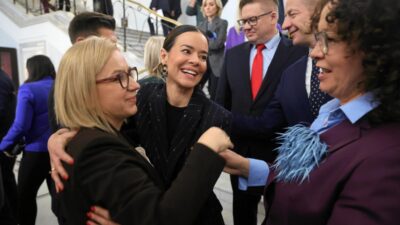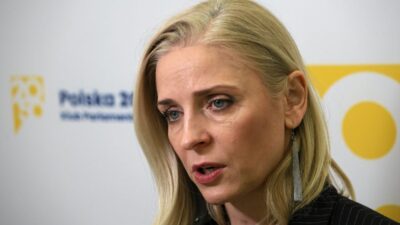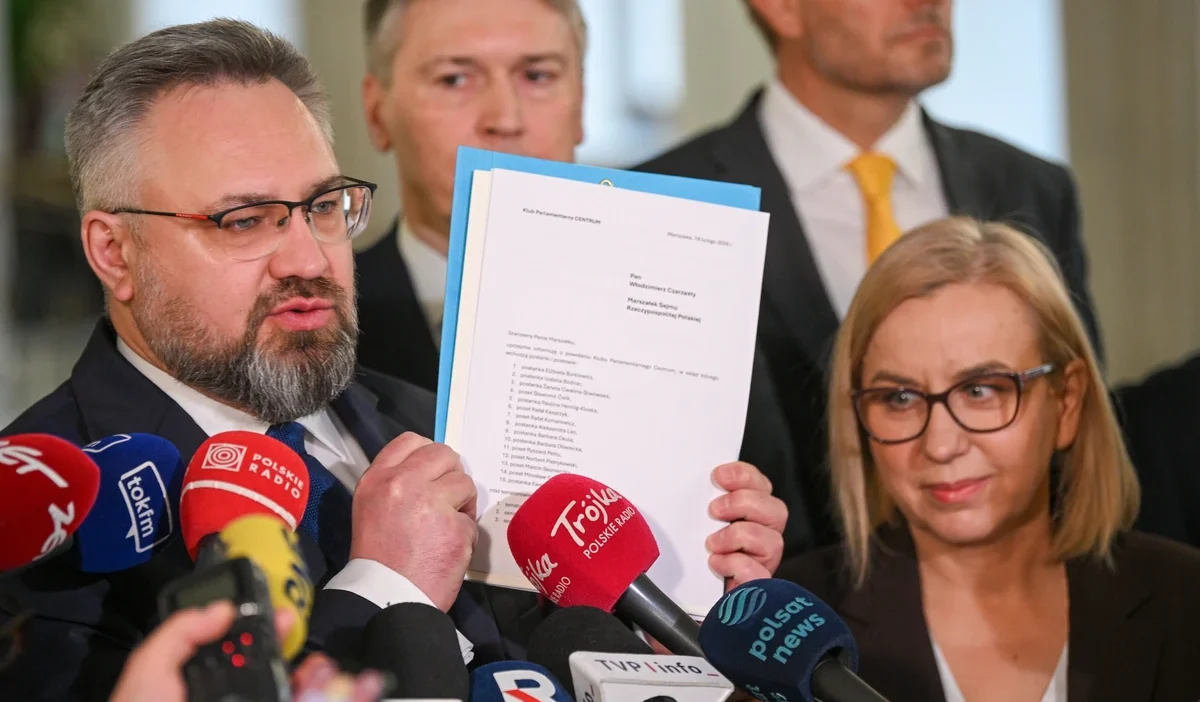
Key politicians including Poland 2050’s minister of climate and environment depart, forming a new parliamentary club amid internal conflicts.
Hennig-Kloska Exits with Others
Among those leaving Poland 2050 are Ryszard Petru, Aleksandra Leo, and Paulina Hennig-Kloska, minister of climate and environment. Joanna Mucha also exited but remains an independent MP, calling it a difficult decision after five years in the party.
Other notable departures include first party chairman Michał Kobosko, Paweł Zalewski, and Anna Radwan-Röhrenschef. The exodus significantly weakens Poland 2050’s parliamentary structures and alters the ruling coalition’s balance.
Management Disputes and Resolutions
The departures stem from unmet demands and conflicts over party management. Hennig-Kłoska stated the new club will continue their political program presented to voters. She criticized the leadership style and increased post-election tensions, citing limited parliamentary club influence and restricted decision-making power.
A key conflict trigger was a National Council resolution freezing personnel changes until the March 21 congress, seen by some MPs as an attempt to block leadership shifts, including club chairman Paweł Śliz’s removal. Żaneta Cwalina-Śliwowska argued this undermined democratic rights to express no-confidence.
Coalition Implications and New Club
The split impacts the ruling coalition, as Poland 2050 was a pillar of the Third Way with Civic Coalition and Left. The new club gains autonomy to negotiate terms, including positions and legislative influence, potentially reshaping Sejm dynamics.
Minister Katarzyna Pełczyńska-Nałęcz previously denied rifts but later faced efforts to limit the split, reportedly offering parliamentary commission roles and positions in Krajowy Zasób Nieruchomości (KZN), a state land management body.
KZN’s Political Significance
KZN plays a key role in state housing policy, including increasing home affordability. Control over its appointments carries political weight due to influence on investments and public asset management.
The internal tensions reached a critical point despite Pełczyńska-Nałęcz’s earlier assurances of stability, leading to a formal parliamentary split.