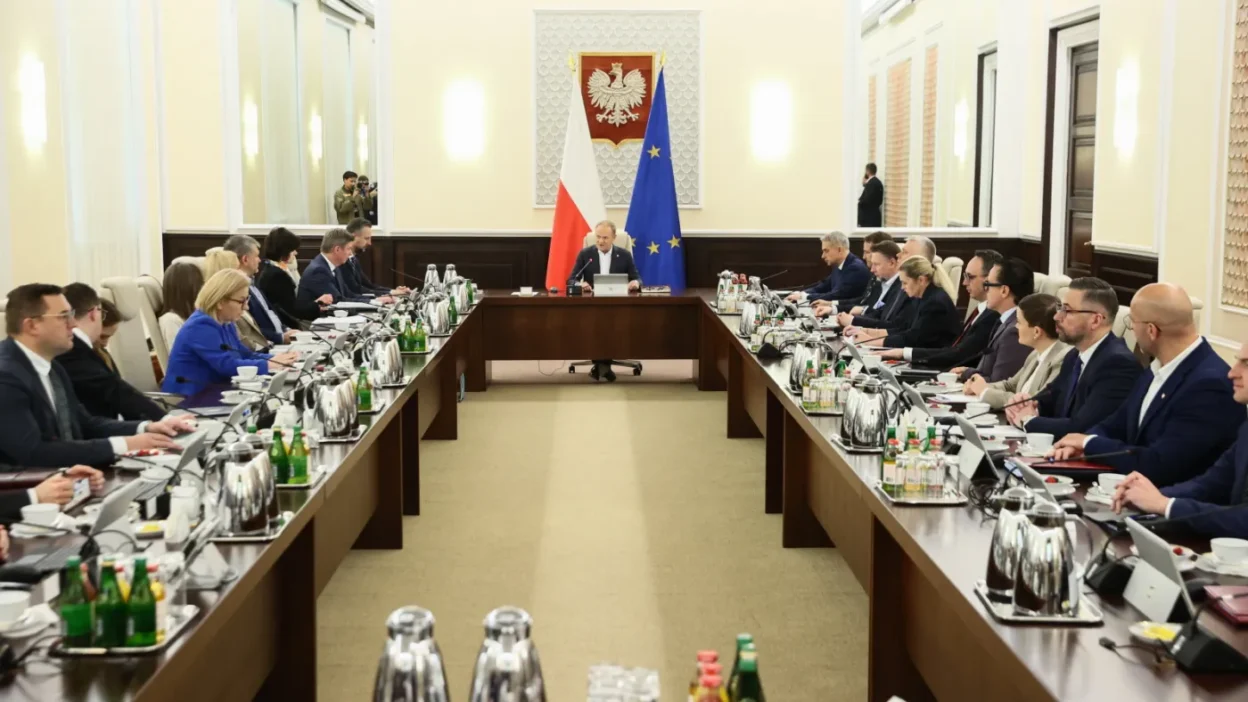
The Polish government approved a draft amendment Tuesday aimed at streamlining the application of the European Arrest Warrant, ensuring equal treatment under the law.
Criminal Procedure Code Amendment to Streamline EAW
The proposed amendment to the Polish Criminal Procedure Code was prepared by the Ministry of Justice. It aims to supplement Polish regulations relating to the European Arrest Warrant (EAW) and ensure full implementation of the mechanism within the Polish legal system, fully implementing the framework decision of June 13, 2002, regarding the EAW and the procedure for issuing persons between member states.
EAW Facilitates Rapid Extradition within the EU
The EAW enables the swift transfer of individuals between EU countries for criminal proceedings or the enforcement of sentences.
Equal Treatment for All Individuals Subject to EAW
The new regulations in the draft will apply not only to Polish citizens but also to individuals residing or permanently staying in Poland. The justification states the project aims to ensure that individuals residing or permanently staying in Poland, including citizens of other EU countries, have the same rights and obligations as Polish citizens subject to an EAW.
This solution eliminates the risk of unequal treatment and aligns the regulations with EU law, according to the Prime Minister’s Office.
New Rules for Questioning Individuals Subject to EAW
New rules for questioning individuals subject to the EAW will also be introduced. Questioning may also take place remotely, using digital tools. If this is not possible, the Polish court will conduct the questioning in cooperation with a foreign court, with a representative of the issuing state able to participate in the proceedings.
Temporary Transfer and Accelerated Proceedings
A significant change will be the introduction of the possibility of temporarily transferring a person to another EU country. This means traveling for questioning for a specified period, with an obligation to return to Poland. The court will decide whether the person subject to the warrant will be questioned in Poland or temporarily transferred to another EU country.
Streamlining Extradition from Non-EU Countries
The change will also streamline the transfer between EU countries of persons previously issued by countries outside the EU, obligating courts to act quickly and reducing delays in proceedings.
Effective Date
The new regulations are expected to come into force 14 days after their publication in the Journal of Laws. (PAP)
Copyrighted material – all rights reserved.
Further distribution of the article with the publisher’s consent INFOR PL S.A. Purchase a license.
Enter the email address of the selected person, and we will send them free access to this article.
Copyright © INFOR PL S.A.