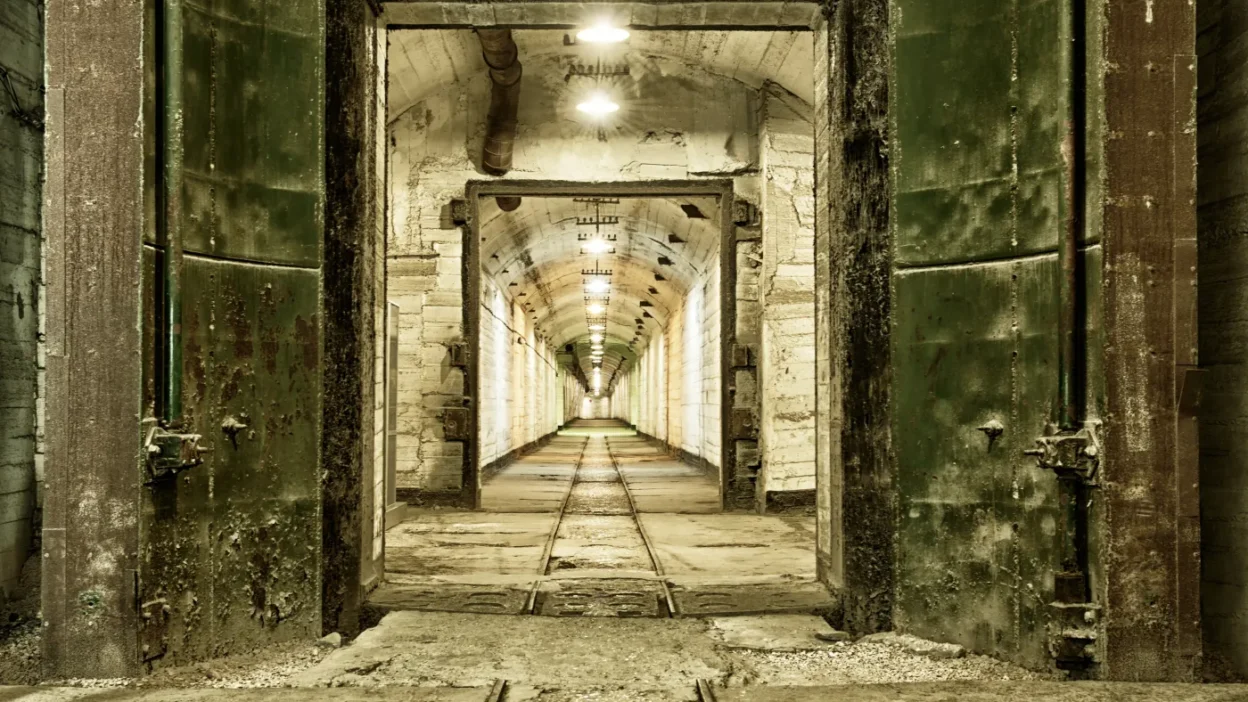
A Polish parliamentary subcommittee approved amendments to the country’s civil defense act, focusing on funding, shelter definitions, and citizen obligations.
Civil Defense Law Amendments Approved
On Tuesday, a special parliamentary subcommittee introduced a series of changes to the draft amendment of the Act on Civil Protection and Civil Defense. The majority of the amendments are of a legislative and organizational nature, with the revision including strengthened financing for long-term investments.
The project aims to streamline the allocation of financial resources to civil protection entities within the framework of the Civil Protection and Civil Defense Program, through more flexible management of these funds. It also introduces, among other things, a definition of shelters and changes to the Central Register of Civil Defense and the creation of a civil defense corps.
Shelter Points – Definition and Citizen Duties
According to the definition proposed in the draft amendment, shelter points are “places useful for the temporary hiding of the population, in building structures or in other places, ensuring the fulfillment of the basic protective function against sudden dangerous weather phenomena and the effects of the use of conventional means of attack, especially splinters.”
The catalog of general civic duties in the field of civil defense has been supplemented with the obligation to make a shelter point available to persons sheltering from the threat. This obligation is limited in duration – lasting only for the duration of the threat, consistent with the obligation to provide assistance to a person in a life-threatening situation.
Identification and Types of Shelter Points
According to the project, shelter points will be identified by the locally competent commander of the State Fire Service. They can be designated in buildings for which proceedings are underway to be recognized as protective structures; buildings or parts thereof that functioned as protective structures before the entry into force of the Act; planned places for the organization of temporary shelters; and buildings or other places ensuring the fulfillment of the basic protective function against the effects of dangerous weather phenomena and the effects of the use of conventional means of attack, especially splinters.
Shelter points are not recognized as protective structures and do not have to constitute entirely separate building objects.
Rationale for Shelter Point Category
The introduction of the category of shelter points is intended to supplement the network of protective structures, especially to densify the protective infrastructure and shorten the time it takes for citizens to reach a shelter. Experience indicates that in the event of a sudden attack with conventional weapons (e.g., drones), it is more important to quickly hide people in places providing basic protection than to meet specific technical requirements for a full-fledged shelter.
Distinction from Temporary Shelters and Further Regulations
The explanation clarifies that shelter points will differ from temporary shelters (MDS) in that they will be permanently marked and potentially permanently available, while temporary shelters are to be organized only during wartime.
The new regulations concern the register, corps, and financing of civil defense. The project refines the provisions regarding the capacity of temporary shelters in public utility buildings, multi-family residential buildings, and underground garages, as well as other detailed principles for designating buildings providing collective protection. It also introduces provisions allowing for deviations from certain technical requirements and conditions for collective protection facilities, modeled on the provisions of building law.
Civil Defense Corps and Funding
The draft also proposes an amendment to the regulations concerning the shape of the Civil Defense Register. The provisions regarding the creation of the civil defense corps have also been refined, including the granting of mobilization assignments and summons to serve in civil defense after mobilization.
The project also refines the provisions concerning the financing of civil protection and civil defense. This is the result of experience gained from the implementation of the first edition of the Civil Protection and Civil Defense Program for the years 2025–2026. A mechanism for strengthened financing of long-term investments has been proposed.
Legislative Timeline
On Tuesday, in TOK FM, the Deputy Minister of Interior and Administration, Wiesław Szczepański, expressed hope that the draft amendment would be considered by the Sejm Committee on Administration and Internal Affairs next week and referred to the second reading in the Sejm. He stated that the law could be passed by Friday of next week.