A new report by the animal welfare organization Vier Pfoten reveals that Poland has become the third-largest source of illegal puppies entering Germany, highlighting a widespread criminal operation.
Scale of Illegal Pet Trade in Germany
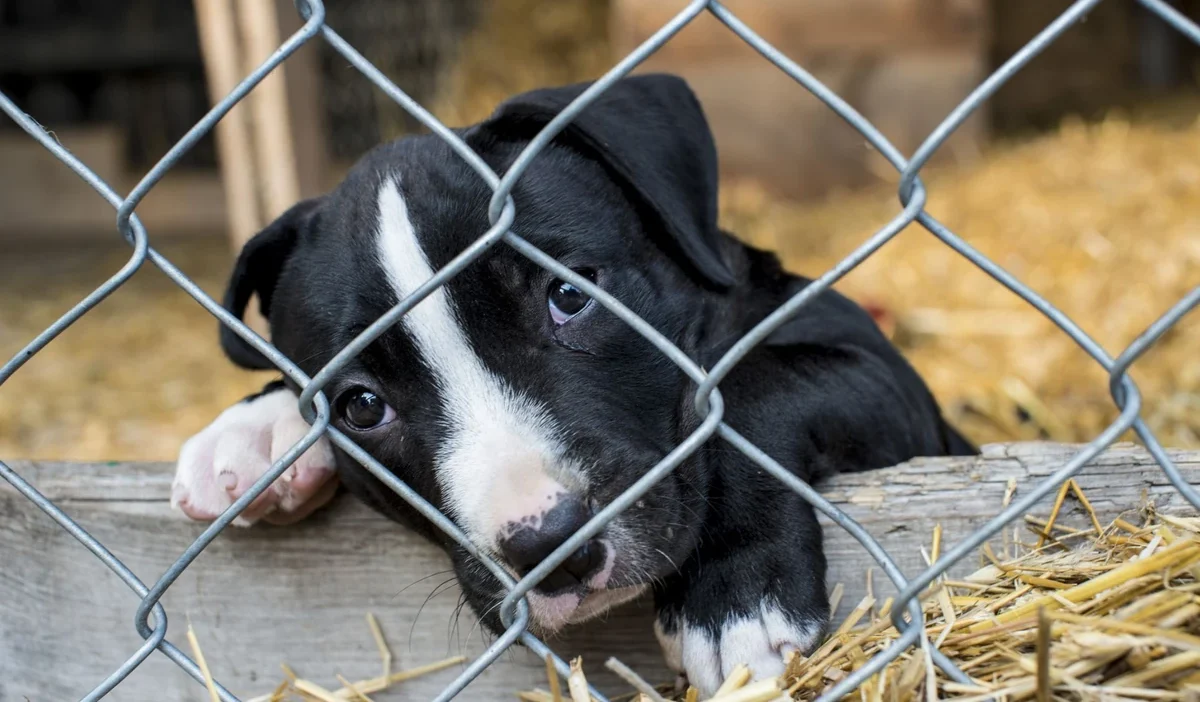
The latest annual report from the Hamburg-based animal welfare organization “Vier Pfoten” sheds light on the alarming scale of illegal pet trading in Germany. Last year, activists documented 81 cases of illegal trade, resulting in the seizure of 737 animals, predominantly dogs (631) and cats (106). Experts state that a well-organized criminal machine stands behind these numbers, for whom trading in living goods has become a stable and exceptionally lucrative source of income generating high profits with relatively low risk of detection.
Poland as a Primary Source of Illegal Puppies
Particularly concerning information emerges from the analysis of the countries of origin of the seized animals, where Poland occupies a high third position in the ranking. According to data contained in the report, up to 85 percent of all interventions concerned puppies imported from abroad. While most animals originated from Romania (83 animals) and Moldova (61 animals), Poland, with 59 seized animals, became one of the key links in the chain of illegal supplies to the German market. This dubious result places the country at the center of discussions regarding the necessity of sealing borders and tightening controls on the transport of companion animals.
Regional Hotspots and Criminal Profit
The geography of the trade within Germany indicates a clear concentration in specific regions, with particular emphasis on Bavaria, where 33 cases were recorded, constituting over 40 percent of all incidents in the country. In this state alone, services secured 183 animals. The second key point on the map of illegal trade is North Rhine-Westphalia, where 148 animals were seized during ten interventions. Saskia Dauter, an expert from the “Vier Pfoten” organization, emphasizes that the illegal trade in pets is not only a serious challenge for animal welfare but, above all, an attractive and constantly developing sector of the grey economy.
The Digital Marketplace and Legislative Gaps
The main distribution channel warned against by the report’s authors remains digital space—social media and popular advertisement platforms. The lack of systemic legal solutions and effective regulations means that trading animals online is currently a process completely devoid of safety guarantees for buyers and protection for the animals themselves. Dauter directly points to a legislative gap: regulations that could realistically civilize the online animal trade have not yet been implemented, making the internet an ideal tool for dishonest traders and smugglers operating, among other routes, between Poland and Germany.