The European Court of Justice has ruled that a Polish refusal to recognise same‑sex marriages entered elsewhere in the EU violates EU law, obligating Poland to comply.
ECJ Ruling on Same‑Sex Marriages
On Tuesday the European Court of Justice issued a judgment that a member state’s denial of recognition for a same‑sex marriage contracted legally in another EU country breaches the Treaties and the Charter of Fundamental Rights. Poland is required to recognise such marriages in its civil registry.
Background Case and Polish Government Preparation
The judgment followed a question posed by Poland’s Supreme Administrative Court concerning two Polish men who married in Germany and later sought recognition in Poland. Earlier court opinions and the Advocate General’s opinion had set a clear legal precedent, and ministries had been preparing for months to implement the ruling.
Prime Minister Tusk’s Contradictory Statements
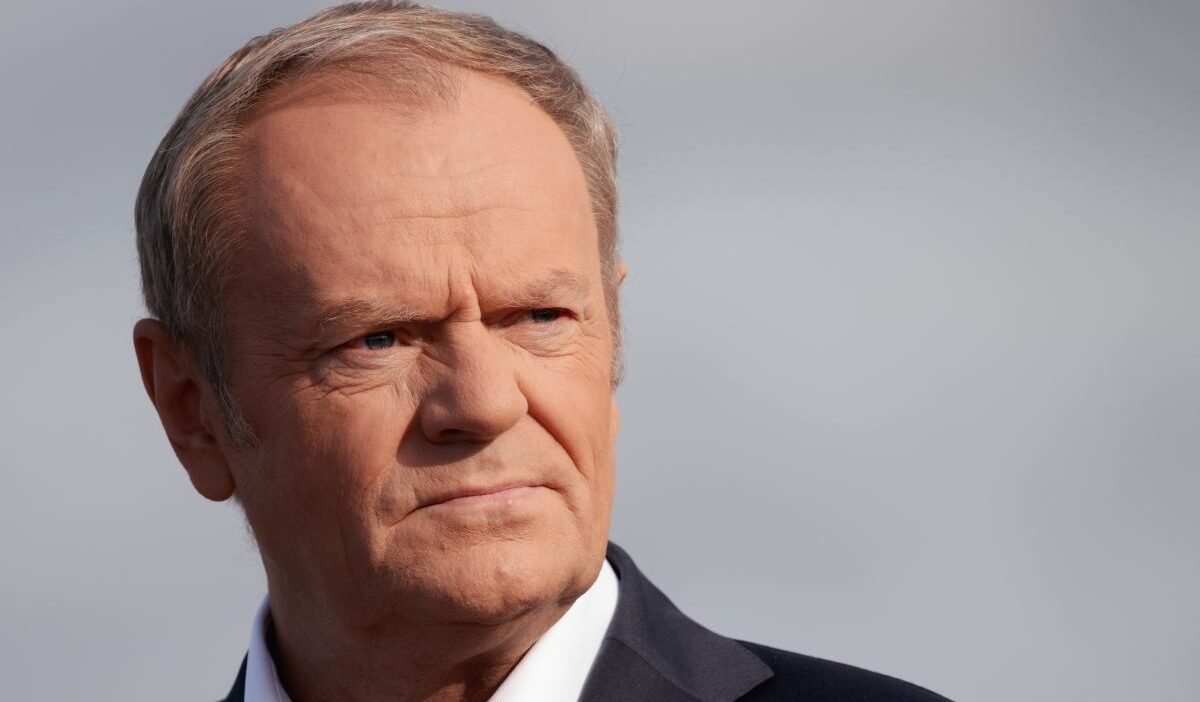
On Wednesday Prime Minister Donald Tusk’s remarks began cautiously but shifted to a tone that questioned whether Poland would obey the ECJ decision. He spoke of “full respect” for the couples and asserted that “no one will impose anything on us,” while insisting on compatibility with Polish law. These comments have been interpreted as either an implied compliance or a potential refusal to recognise the marriages, the latter of which would violate EU law.
Expected Implementation in Polish Courts
Because the government has indicated no intention to challenge the ECJ ruling, it is expected that lower‑level administrative courts will order recognition and transcription of the marriages into Poland’s civil registry. Officials handling civil status cases will follow this directive, as any refusal would contradict EU law.