Poland, alongside nine other EU nations, is urging the European Commission to revise the Emissions Trading System (ETS) and address rising energy costs during a summit in Brussels.
Poland’s Key Demands at the EU Summit
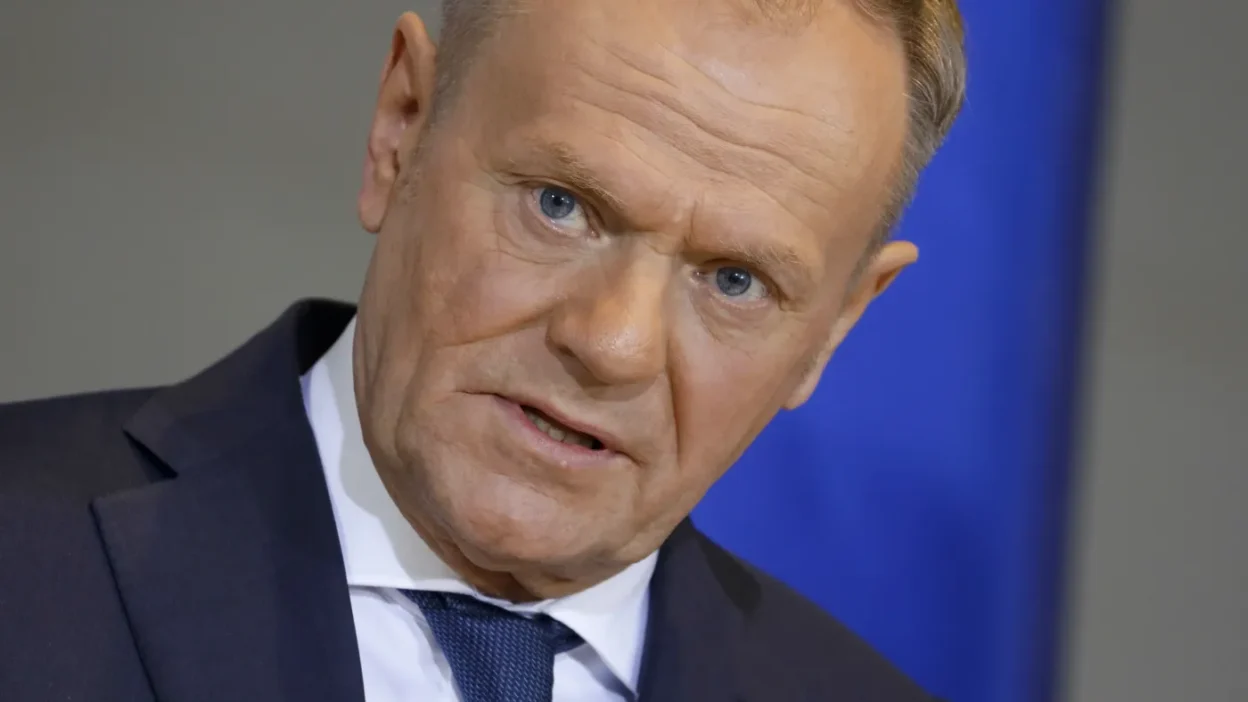
Reforming the ETS and lowering energy prices are Poland’s primary goals at the EU summit beginning Thursday in Brussels. Prime Minister Donald Tusk has stated Warsaw will seek “specifically Polish solutions” in this area.
The issue of energy prices has overtaken the original agenda focused on EU economic competitiveness, gaining urgency due to tensions in the Middle East and rising commodity prices. Draft conclusions call for the European Commission to urgently present “concrete actions to reduce electricity prices in the short term.”
Ten EU Nations Advocate for ETS Changes
Poland emphasizes the need for changes to the ETS, arguing it significantly and negatively impacts energy prices. Warsaw seeks solutions that limit its effect on electricity bills while considering the specifics of the national economy.
Joint Call for ETS Review
Poland, with nine other EU countries, has called on the European Commission for a “thorough review” of the ETS. A letter to Commission President Ursula von der Leyen advocates for extending free emission allowances beyond 2034 and easing their phase-out from 2028.
Concerns Over Allowance Phase-Out
Signatories argue the current phase-out path for free allowances is too steep, potentially overburdening industry during the transition. They believe current regulations, combined with high energy prices, pose an “existential threat” to strategic European industries.
Demands for Price Volatility Reduction and Accelerated Review
These nations also demand limiting the volatility of allowance prices and accelerating the system’s revision. They want the Commission to present proposed changes by the end of May, rather than the planned July review.
Poland Seeks Tailored Approach
Poland specifically wants consideration of the differing situations of member states, with a corresponding provision in the draft conclusions acknowledging the need to account for variations in energy mixes and climate policy burdens.
However, some Polish figures, including President Karol Nawrocki and politicians from Law and Justice, are advocating for a complete departure from the ETS system.
Potential for Difficult Discussions
Discussions on the ETS in Brussels may be challenging, as some member states are satisfied with the current system and rely on emissions trading revenue for their budgets. Diplomats also note that reforming the entire system is more complex than modifying individual elements.
Short-Term Solutions Under Consideration
Other short-term solutions to mitigate the impact of high energy prices are being considered, including mechanisms to limit the influence of gas prices on electricity prices.
Understanding the European Emissions Trading System
The European Emissions Trading System (ETS), operational since 2005, is a key EU tool for reducing CO2 emissions, based on the “polluter pays” principle. Entities covered by the system must annually acquire allowances corresponding to their emissions, with gradually decreasing limits to incentivize emission reductions.
Industries at risk of “carbon leakage” receive a pool of free allowances to protect European industrial competitiveness. The ETS covers heavy industry, energy, refineries, aviation, and maritime transport, accounting for over 40% of all EU emissions. ETS2, covering transport and construction, is planned for 2028, with its effects on households mitigated by the Social Climate Fund, where Poland is expected to be a major beneficiary.
Revenue from Emissions Trading
According to the European Environment Agency (EEA), Poland ranked second in the EU in 2024 in terms of revenue from the sale of allowances, earning €3.8 billion. Germany led with €5.5 billion, followed by Spain and Italy with €2.6 billion each. The Ministry of Climate and Environment projected Polish revenue between 15-18 billion złoty for the previous year.
Energy Security as a Priority
Prime Minister Tusk is also bringing a broader message regarding energy security to Brussels, emphasizing the close link between security and energy, citing the experiences of the war in Ukraine and tensions in the Middle East.
Planned Investment in Energy Sector
Poland plans to invest approximately one trillion złoty in the energy sector over the next decade, focusing on renewable energy sources, transmission networks, and nuclear energy. This is a “gigantic investment in our energy security,” according to the Prime Minister.
Call for Flexible Energy and Climate Policies
Tusk also stressed the need for more flexible EU energy and climate policies, advocating for “smarter, more flexible, more adapted to the realities of each country, focused on competitiveness, and less on ideological visions” regulations.
Other Summit Agenda Items
The summit will also address the situation in Ukraine, including a proposed €90 billion EU loan for Kyiv, a potentially contentious issue due to differing views among member states. Discussions will also cover security, defense, the EU budget, and the situation in the Middle East.
The Prime Minister will also participate in informal discussions on migration and regional formats, including the Northern Nine.