Polish President Karol Nawrocki and Prime Minister Donald Tusk confirm citizens’ safety amid heightened tensions following US and Israeli strikes on Iran.
Presidential Response
President Karol Nawrocki reported being kept informed of operations against Iran. He emphasized Poland was aware of planned military actions through alliance and coalition channels. His communication highlighted one fundamental priority: the security of Polish citizens, including diplomats and soldiers in the region.
Security Coordination
The President noted remaining in constant contact with NATO allies and national security institutions. This means ongoing coordination with the Ministry of Defense, Ministry of Foreign Affairs, and services responsible for protecting diplomatic facilities.
Prime Minister’s Update
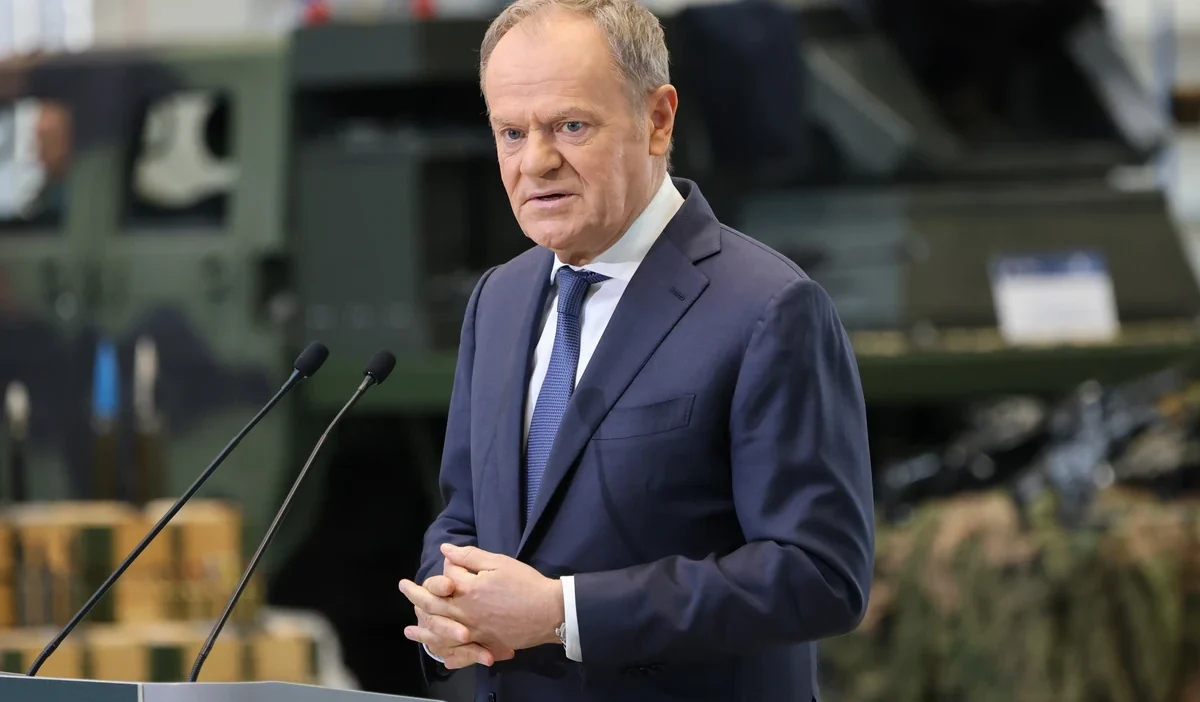
Prime Minister Donald Tusk also received reports from the Ministry of National Defense and Ministry of Foreign Affairs. The head of government conveyed that Polish citizens, including embassy staff in Tehran, remain safe, but the state administration is prepared for various scenarios. This practically means readiness for evacuation, enhanced protection of facilities, or temporary restrictions on their operations.
Foreign Ministry Statement
MSZ spokesperson Maciej Wewiór informed that at this stage there is no information about injured Polish citizens. At the same time, he noted the situation remains unstable and is monitored continuously. The MSZ has long been appealing to avoid travel to the most volatile areas of the region and to leave high-risk locations.
Consular Office Closure
An important operational decision was the temporary closure of the Consular Section of the Polish Embassy in Israel to the public. The facility announced this on Saturday morning, citing security reasons related to escalating tensions. The decision is preventive and aligns with standard procedures used in situations of threat of rocket fire or drone attacks.
Military Operations Update
The Operational Command of the Armed Forces issued a separate statement regarding the situation of Polish military contingents in the operational area. It was assured that the situation is monitored continuously, and the operational commander of the RSZ remains in constant contact with commanders of Polish Military contingents performing tasks in the region.
The military informed that soldiers in bases are applying existing security procedures, including actions limiting risks associated with indirect threats such as rocket fire or attacks using unmanned aerial vehicles. Personnel deployment is carried out according to force protection plans, and base infrastructure provides the required level of security.
At this stage, no situations have been noted that pose direct threats to Polish soldiers. This information is significant in the context of possible regional escalation that could also affect countries where coalition forces are stationed.
Regional Escalation
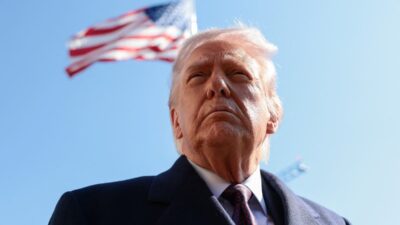
The operation initiated by the United States and Israel was confirmed by US President Donald Trump. The American leader announced the start of a “major combat operation” and promised that Iran will not acquire nuclear weapons. At the same time, he called on Iranians to seize power in the country.
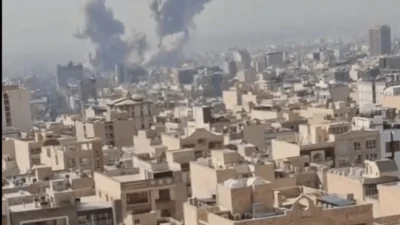
According to international media reports, explosions were noted in several Iranian cities, including Tehran, Isfahan, Tabriz, Qom, Karaj, and Kermanshah. In turn, Iran responded by launching ballistic missiles toward Israel. Media reported explosions heard in the northern part of the country.
Israel’s Minister of Defense Israel Katz declared a state of emergency in the country. This decision indicates an assessment of the threat as real and long-lasting. Israel for years has emphasized that Iran’s nuclear program poses an existential danger, which Prime Minister Benjamin Netanyahu has repeatedly declared.