


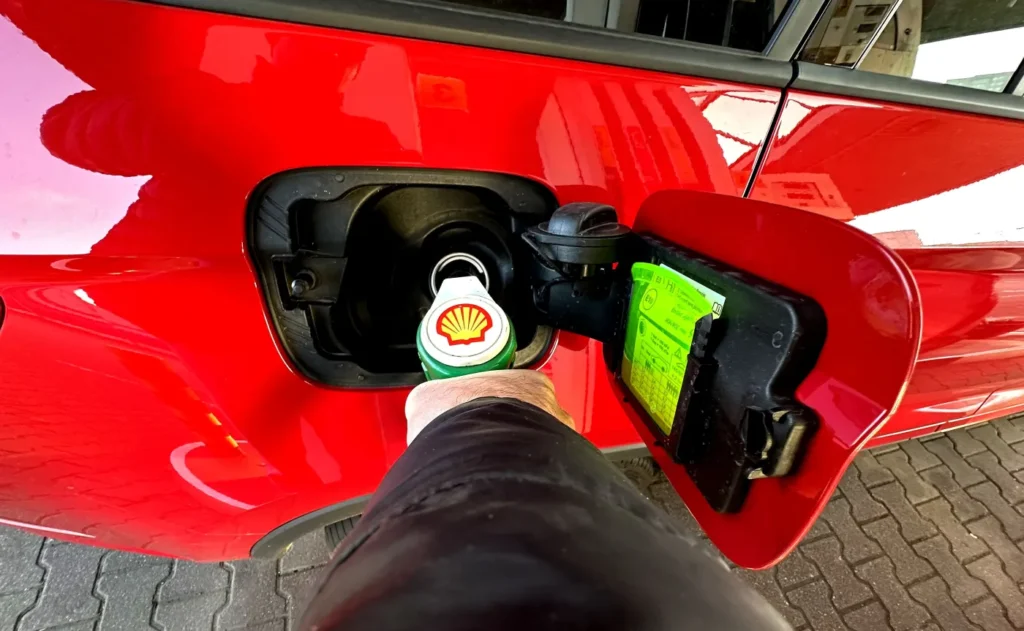
Poland’s Energy Ministry has announced maximum fuel prices for the Easter holiday period, April 4-7, 2026, with diesel seeing the most significant increase.
Maximum Fuel Prices Announced for Easter 2026
The Ministry of Energy has published new maximum fuel prices that will be in effect in Poland during the holiday period from April 4th to 7th. The largest changes will affect drivers refueling with diesel fuel, which will see a noticeable price increase.
This decision directly impacts travel costs during Easter and the functioning of the fuel market in the coming days.
Price Details
According to the latest announcement, the maximum fuel prices from Holy Saturday to the Tuesday after Easter will be as follows:
Price Increases
This represents an increase compared to the previous rates in effect the day before. Gasoline 95 and gasoline 98 will increase by 2 groszy per liter, while diesel fuel will increase by as much as 23 groszy. This is a significant difference, particularly important for transport and drivers taking long holiday routes.
Factors Driving Diesel Price Hikes
The price increases are in line with the upward trend in diesel prices observed over the past few weeks, which is due to factors including increased demand in the transport sector and tensions in commodity markets.
How Maximum Fuel Prices are Determined
The system for setting maximum fuel prices is based on a specific administrative formula. It takes into account average wholesale prices on the domestic market, to which mandatory fiscal charges are added – excise duty, fuel fee, and VAT. A sales margin of 30 groszy per liter is also added.
This mechanism is designed to limit excessive price increases at gas stations, especially during periods of increased demand, such as holidays or vacations. At the same time, it allows for some flexibility in responding to changes in global markets.
Penalties for Exceeding Price Limits
Businesses selling fuel above the established maximum price must face significant financial consequences. Penalties can reach up to 1 million PLN.
The National Revenue Administration conducts controls, monitoring the market and responding to any irregularities. The sanction system is intended to be a deterrent and ensure the real effectiveness of the regulations.
“Lower Fuel Prices” Program Extension Possible
Energy Minister Miłosz Motyka announced that the government’s “Lower Fuel Prices” program may continue longer if the situation in international markets requires it. Decisions will be made on an ongoing basis, depending on crude oil prices, exchange rates, and the level of inflation.
“The program will be maintained as long as necessary,” the minister said in a radio interview, emphasizing that stabilizing prices for consumers is a priority.
Global Market Influence
In recent months, crude oil prices on global markets have remained volatile, directly impacting domestic fuel prices. Decisions by OPEC+ countries and the geopolitical situation, including conflicts in resource-rich regions, also play a significant role.
Fuel Tourism
One effect of maintaining relatively lower fuel prices in Poland is so-called fuel tourism, where drivers from neighboring countries come to Poland to refuel with cheaper fuel.
Minister Motyka admitted that this phenomenon exists, but its scale is limited. The increase in fuel sales is only a few percent compared to the period before the program was introduced.
It was also emphasized that introducing restrictions for foreign drivers would be difficult to organize and legally implement. While such solutions are theoretically considered, there are currently no concrete decisions in this regard.
Poland’s Fuel Prices Compared to Europe
Compared to many countries in the European Union, fuel prices in Poland remain competitive, especially in the case of gasoline. In Germany or the Czech Republic, drivers often pay more, which further drives cross-border traffic.
Experts in the fuel market point out that maintaining lower prices for a longer period may generate costs for the state budget and affect the profitability of the fuel sector. On the other hand, it limits inflationary pressure and supports households.