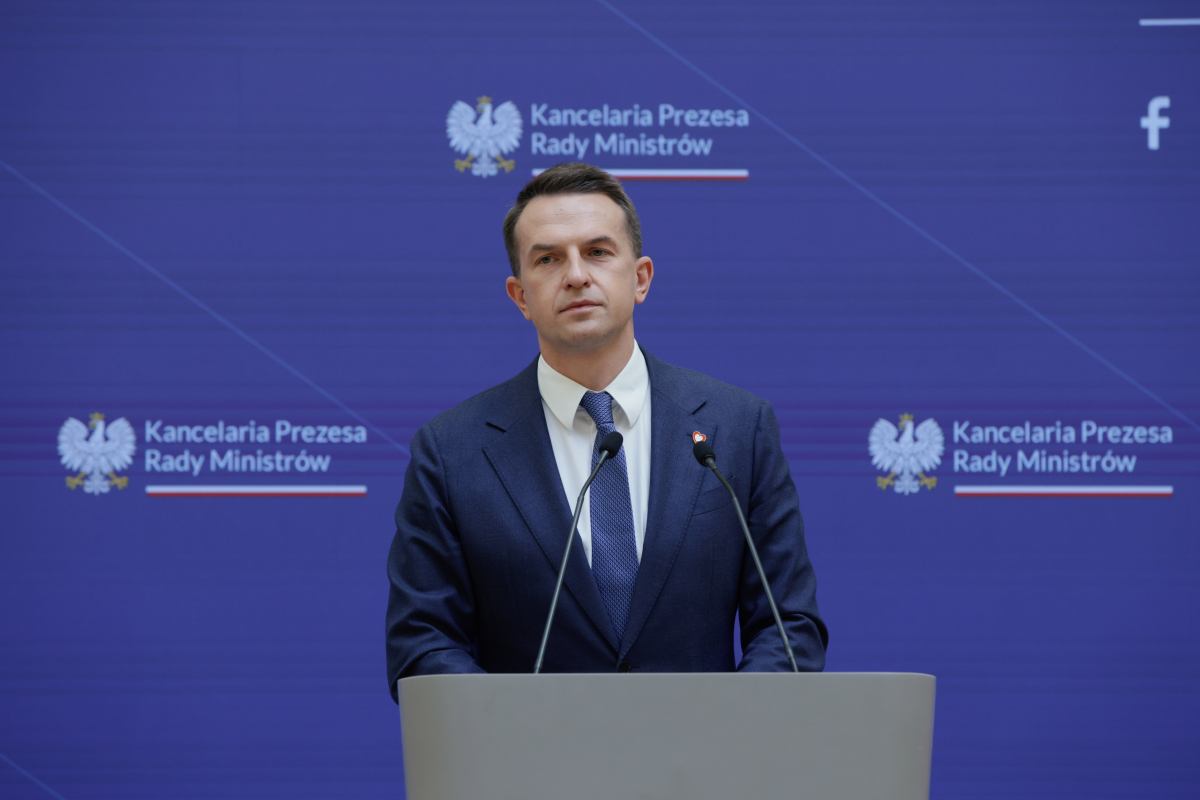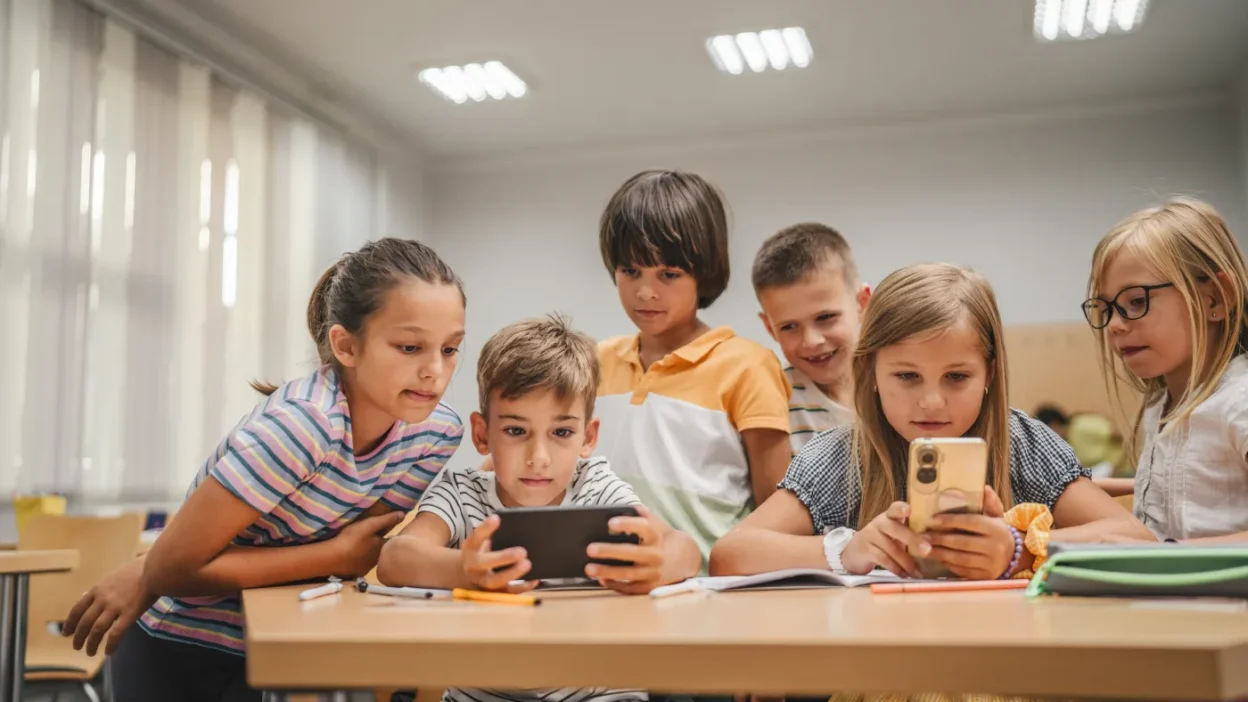
Poland’s Education Minister Barbara Nowacka announced a ban on mobile phone use in primary schools starting September 1, 2026, sparking debate among educators and experts.
Criticism of the Ban
Physicist and science communicator Tomasz Rożek criticizes the planned ban, comparing it to “breaking a thermometer” rather than addressing the underlying issues. He argues the focus should be on teaching responsible technology use, not simply removing devices.
Rożek contends the ban distracts from the real problem – social media platforms accessible through phones – and that smartphone use during lessons is already minimal. He believes schools should be a place to learn responsible digital citizenship.
The Issue of Social Media
The ban fails to address the core issue of social media’s influence, according to Rożek. Simply removing phones won’t eliminate access, and may even reduce opportunities for education on safe and mindful technology use.
He suggests the ban could lull parents into a false sense of security, assuming schools have fully addressed the issue, while responsibility ultimately falls on them.
Practical Concerns and Scope of the Ban
Rożek raises questions about the practical implementation of the ban, asking whether it will extend to smartwatches and smartbands. He highlights the difficulty of enforcing the rule and verifying compliance.
He also points out the inconsistency of banning student phones while potentially allowing teachers to use them, which could create conflict and frustration.
Inconsistencies in Government Policy
Rożek notes a contradiction in government policy, with one ministry promoting digital IDs and e-legitimations for children while another pushes for a smartphone ban in schools. He advocates for a cohesive strategy.
The Role of Schools and Digital Education
Rożek emphasizes the need to redefine the fundamental function of schools, questioning whether they should solely transmit information or also prepare students for life beyond the classroom. He stresses the importance of digital literacy in the modern job market.
He suggests that Big Tech companies may even welcome the ban, as it avoids addressing their responsibility to share knowledge about their addictive algorithms.
Alternative Approaches: Comprehensive Digital Education
Rożek advocates for robust digital education that fosters awareness of new technologies, rather than outright bans. He argues that digital literacy should be integrated across all subjects, not treated as a separate course.
He points to the COVID-19 pandemic as a moment when teachers quickly adapted to using technology effectively, demonstrating its potential for education and inspiration.