


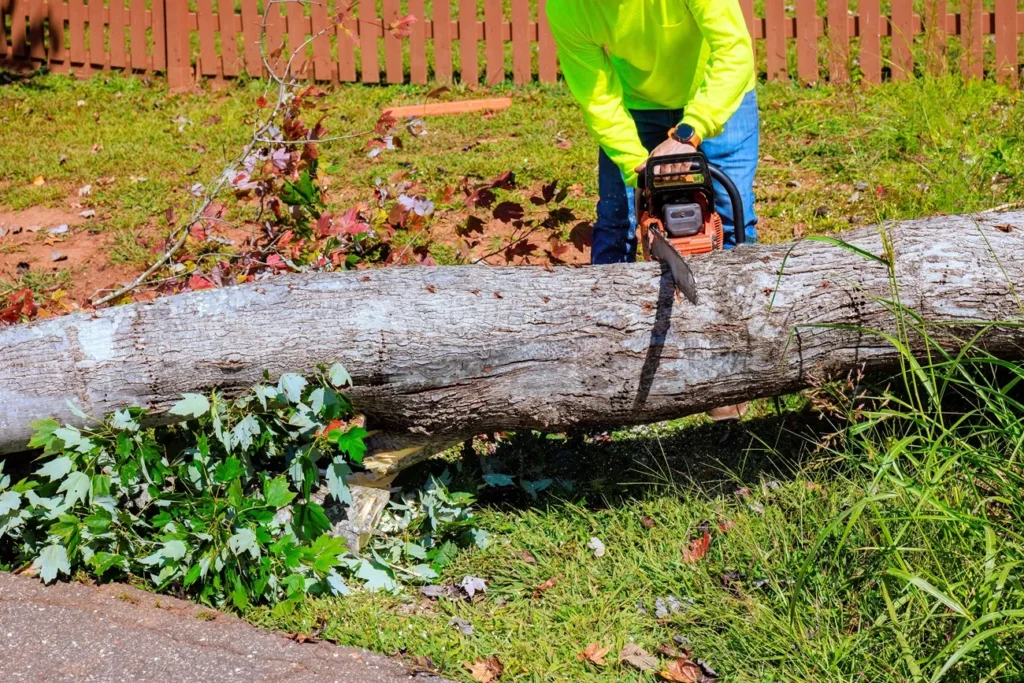
Polish law protects birds during their breeding season, but the rules surrounding tree felling are nuanced and require careful adherence.
What the Law Says
Polish regulations clearly prohibit actions that harm protected wild animals. Specifically, it is illegal to destroy a bird’s nest.
In practice, felling a tree with a nest on it violates the law and can result in prosecution.
When Felling is Permitted
The law allows for exceptions, but these require strict adherence to specific rules. Felling is permissible if trees and shrubs are not inhabited by birds or other protected animals, such as squirrels or bats.
Removing diseased, dead, or dangerous trees is also allowed. Gniazda (nests) can be removed from buildings or green areas between October 16th and the end of February for safety or sanitary reasons.
Documentation and Formalities
Proper documentation is crucial before any tree felling. Landowners must determine if protected species inhabit the trees. Companies and institutions should obtain a written ornithological expert opinion.
Larger investments may also require inspections by an entomologist and a chiropterologist. If protected species are present and felling is necessary, a permit must be obtained from the Regional or General Director for Environmental Protection.
Confirmation of the inspection date – no earlier than 5 days before the planned felling – may also be required. If removing a tree with a nest outside the breeding season, justification based on safety or sanitation is necessary, along with photographic documentation or a specialist opinion.
Compliance and Penalties
A municipal felling permit does not exempt landowners from adhering to species protection laws. Work must cease if a tree is found to be inhabited during felling operations.
Violations of nature protection laws can lead to severe consequences, including arrest or fines. Large-scale damage to wildlife can be classified as a crime punishable by up to 8 years imprisonment.
Even unintentional violations can result in fines, restrictions on freedom, or up to 2 years imprisonment.
Pre-Felling Checks
Before starting work, a thorough inspection of the tree is recommended to check for nests in the crown or hollows in the trunk. For larger projects, an ornithological expert opinion is advisable.
If a nest is present and felling is necessary, the appropriate permit must be obtained, potentially with ecological supervision. The responsibility for verifying the presence of protected species rests with the landowner.